The Hidden Cost of Isolated Location Ads and Why Modern Brands Need More
Setting up a virtual boundary around a competitor’s storefront sounds brilliant on paper. You draw a digital perimeter on a map, bid on local mobile impressions, and ping prospective shoppers as they walk past. Yet, for thousands of growing businesses, standalone location ad tools end up feeling like an expensive hobby. Point solutions deliver temporary clicks, but they rarely build sustainable brand equity, leaving teams juggling separate dashboards for search, content, and local reach. To escape this trap, modern growth teams are turning to geofencing marketing automation with AI CMO, blending hyper-local customer discovery with unified digital campaigns that run reliably every single day.
The trouble with running location marketing in isolation is that it ignores the rest of the customer journey. When someone spots a mobile banner triggered by physical proximity, they do not simply buy on impulse. They search Google, they scan AI-powered answer engines, and they browse social feeds to see if you are legitimate. If your broader digital presence is completely silent, that expensive location trigger goes to waste. Real marketing scale demands a joined-up system where physical positioning, generative engine visibility, and organic discovery work in total harmony.
How Traditional Geofencing Software Operates
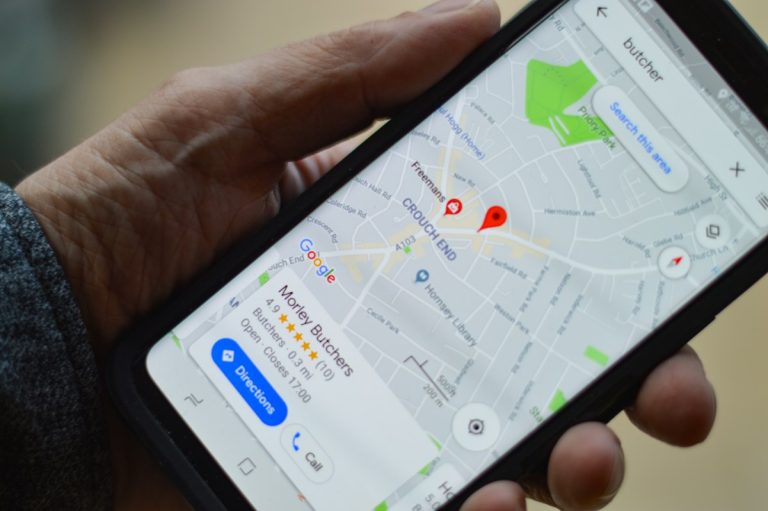
Traditional geofencing relies on Global Positioning System (GPS), cellular data, and Wi-Fi signals to build a virtual fence around a precise physical location. When an individual crosses that invisible boundary with location services turned on, the software triggers an action. Typically, this action is a programmatic mobile display ad pushed through an ad exchange or an automated push notification via an installed application.
Software vendors such as Big Line Data Systems and other legacy platforms market these tools as direct drivers of local footfall. Marketers can set boundaries around:
- Rival business locations to conquer market share
- Industry trade shows, conferences, and community festivals
- Relevant commercial corridors, shopping centres, or transport hubs
- University campuses or target demographic neighbourhoods
On the surface, it sounds neat. You pinpoint foot traffic and deliver hyper-targeted mobile advertisements. However, when small to medium enterprises dive into standalone geofencing setups, the cracks quickly appear.
The Problem with Isolated Location Tools
Standalone location platforms solve only a tiny slice of the marketing equation. For an SME or startup, relying purely on perimeter triggers introduces substantial operational headaches.
1. High Ad Spend Waste and Attribution Gaps
Most location-based ad networks rely on mobile display inventory, think interstitial banners inside games, weather apps, and utility software. The result? Unintentional taps, accidental clicks, and high bounce rates. Proving whether an in-store visitor actually entered your shop because of a 300×250 banner ad or simply because they were parked outside remains notoriously difficult.
2. Painful Tool Fragmentation
Operating an isolated location tool means you need another platform for your local search engine optimisation, another for social scheduling, another for blog creation, and an external agency to oversee all of it. Instead of driving business growth, your team spends their working hours logging into disparate dashboards, reconciling conflicting analytics, and paying multiple subscription fees.
3. Total Blindness to AI-Driven Discovery
Consumer behaviour has shifted radically over the past two years. When buyers seek local services, they increasingly rely on AI search platforms, conversational summaries, and modern search engines. A basic GPS fence cannot help you rank within AI-curated recommendations. You can explore how to check your brand’s AI visibility to see how modern conversational engines perceive your footprint compared to older keyword engines.
A Unified Alternative: Connecting GEO Visibility with Multi-Channel Execution
Rather than spending thousands of pounds per month on single-purpose advertising tools, forward-thinking brands use an integrated operating system. Location marketing should never exist in a silo. It should be one component of a broader engine that handles search rankings, cross-channel engagement, and location-based authority.
If you want to secure local market share, you can enhance your local visibility with AI CMO across maps, community platforms, and conversational discovery engines simultaneously.
By joining your location strategies with comprehensive search optimisation, you guarantee that whenever someone discovers your brand in their vicinity, every digital touchpoint reinforces your authority. When your physical presence aligns with your digital prominence, conversions occur naturally without relying purely on fleeting banner clicks.
How AI CMO Automates Routine Marketing Tasks
The AI CMO platform acts as a full-stack marketing operating system designed specifically for small to medium enterprises, startups, and agile marketing teams. Instead of delegating tasks to opaque agencies that charge extortionate retainers, businesses can tap into autonomous workflows that manage day-to-day execution.
Here is how the platform replaces disjointed point tools:
- 24/7 SEO and Local GEO Discovery: The system continuously monitors your rankings, identifies regional gaps, and pushes real-time technical and content optimisations. You can start your SEO autopilot to maintain constant momentum in search engines without manual content staging.
- Governed Multi-Channel Execution: Connect your website and external platforms directly. AI CMO prepares your content pipelines, plans thematic roadmaps, and presents concrete actions for your explicit approval.
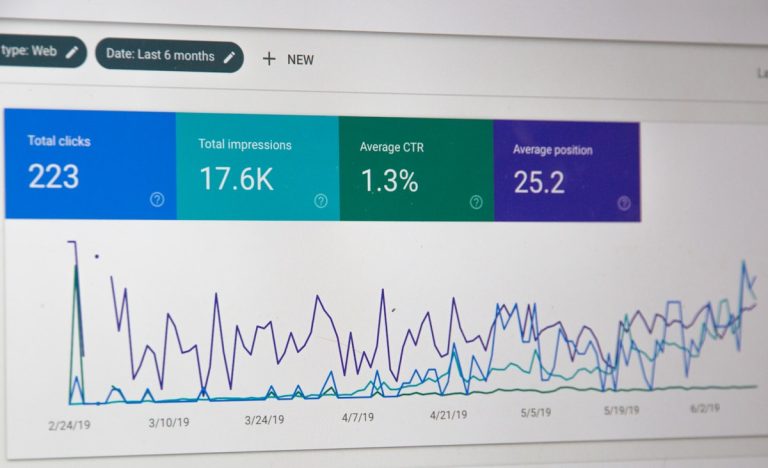
- Unified Analytics: No more stitching together spreadsheets from five different vendors. Review your site performance, local search footprint, and social channels in one transparent workspace. To see how simple setup can be, take a look at how to onboard and manage your brand with aiCMO.
Midway through any expansion campaign, resource constraints inevitably strike. That is why choosing unified geofencing marketing automation via AI CMO protects your budget, replacing fragmented monthly software invoices with a singular, high-performance engine.
Step-by-Step: Moving from Fragmented Ads to an Autonomous Marketing Engine
Making the transition from scattered advertising channels to an integrated workflow does not require a complete overhaul of your team. In fact, it simplifies everyday operations.
Step 1: Connect Your Workspace and Define Your Reach
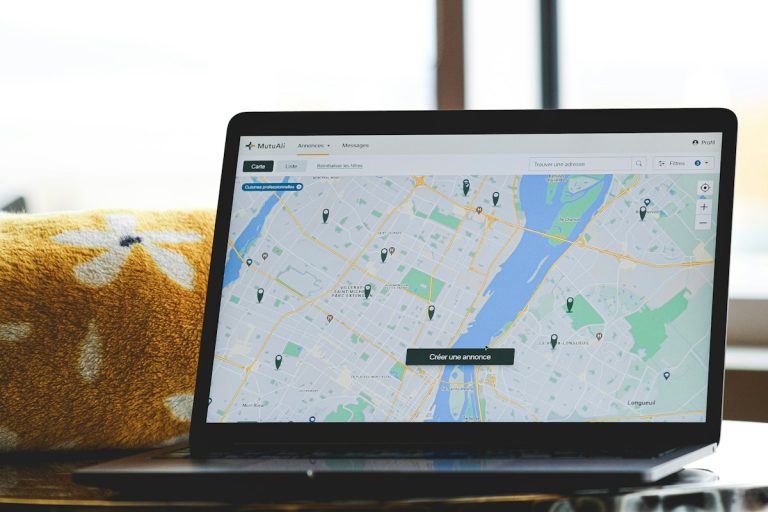
Start by linking your core domain and existing channels. Instead of setting rigid radius coordinates on an isolated map, establish the regional topics, commercial locations, and customer profiles you need to influence.
Step 2: Establish Real-Time Brand Presence
Organic discovery must reinforce your geographic marketing. When your business publishes locally targeted, high-intent material, search engines reward that consistency. For teams running common web infrastructure, learning how to install and run the aiCMO WordPress Plugin beta can streamline publishing direct from your strategic roadmap.
Step 3: Implement Human-in-the-Loop Governance
Automation should never mean losing control. With AI CMO, strategic roadmaps and prepared assets are presented cleanly for your sign-off. You review the proposed updates, authorise the actions, and let the system deploy them. You can master GEO targeting with AI without spending your weekends drafting copy or adjusting bids manually.
Why Real-Time Optimisation Beats Static Bidding
Traditional geofencing platforms are notoriously static. You upload creative banners, select your target coordinates, set a daily budget, and hope for the best. If footfall fluctuates due to bad weather or changing shopping patterns, your ad spend continues burning until someone remembers to pause the campaign.
An AI-driven operating system approaches the challenge dynamically:
- Continuous Data Analysis: The platform tracks user search behaviour, query patterns, and audience interest shifts in real time.
- Context-Aware Content Adaptation: Rather than serving the exact same generic mobile banner to every pedestrian, your brand generates tailored, data-driven content strategies that directly address local search intent.
- Compounding Value: Paid location ad clicks vanish the second your budget hits zero. Organic search authority, geo-targeted content pages, and high-ranking local profiles remain active assets that generate traffic month after month.
To maintain this compounding effect, savvy businesses automate your SEO with AI, ensuring that local search discovery and broader category leadership support each other around the clock.
The Clear Verdict for Modern Growth Teams
Standalone geofencing software vendor pitches sound impressive, but single-feature tools no longer cut it in an era defined by multi-channel discovery and AI-assisted search. Relying on an isolated platform for physical targeting while paying agencies to oversee your SEO and content leads to bloated overheads and disjointed customer experiences.
Your business deserves an integrated, cost-effective alternative. By uniting regional visibility, search automation, and multi-channel publishing inside an intuitive platform, you cut out unnecessary agency fees and focus on high-level business strategy while intelligent automation handles operational intricacies.
Take charge of your entire marketing footprint today. Get started with geofencing marketing automation on AI CMO and build an enduring, highly visible brand across every channel your prospective customers use.