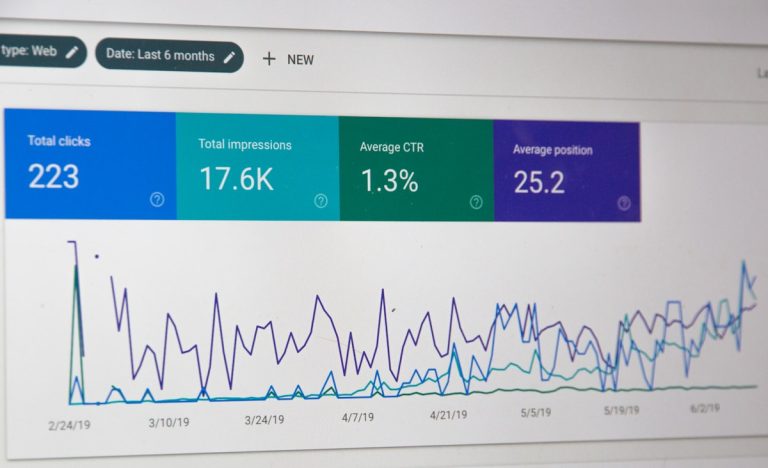
Why Server-Level Fixes Fall Short for Search Domination
Web hosting forums and community threads have been buzzing for years about the need for built-in site visibility features. Browse almost any hosting feature request board, like the long-standing community discussions on cPanel, and you will find site owners pleading for a native, all-in-one search engine utility. Small businesses, independent developers, and digital marketing leads are exhausted by switching between six separate tabs just to handle sitemaps, monitor meta descriptions, check site speed, and chase search visibility. The community wants an integrated SEO toolkit that removes the headache of technical setup without requiring an army of agencies or expensive enterprise subscriptions.
Yet relying on a server dashboard plugin or basic hosting addon to handle your search presence is like asking your mechanic to win an endurance race for you. Server utilities might generate a quick XML sitemap or remind you to fill in an alt tag, but they do not understand user intent, local buyer markets, or dynamic algorithm updates. True search dominance requires active execution: discovering untapped customer questions, publishing strategic editorial content, and continually refining local and regional footprints. Growing brands are stepping away from disconnected dashboards and static server add-ons, turning instead to modern marketing automation to transform their organic footprint into an unstoppable growth engine.
The Community Dream: Why Webmasters Want Native SEO Tools
Look at the feature requests on major hosting platforms. People consistently ask for native Google Search Console connections, automated broken link checkers, simple title tag controls, and direct performance audits right inside their control panels.
The impulse makes total sense. Running a business is exhausting. If you run a retail shop, an emerging consultancy, or a regional service firm, you probably wear five different hats before lunch:
- You manage client communications and inventory.
- You review daily revenue figures and invoice processing.
- You juggle fragmented software for email, social media, and web analytics.
- You attempt to diagnose why your primary service page vanished from search results.
When hosting forums discuss these issues, users are not really asking for basic server tweaks. They are begging for relief from tool fragmentation. Right now, standard workflows force you to buy one expensive subscription for keyword volume, another platform for backlink audits, an analytics dashboard for site logs, and a local listings service for geographical reach. The cost quickly exceeds hundreds of pounds every month, yet none of these legacy platforms actually perform the work for you. They merely produce complex graphs, export spreadsheets, and leave you with a mounting pile of manual tasks.
The Harsh Reality of Server Plugins vs Full Marketing Automation
Can a basic server addon fix your search engine presence? Simply put: no.
A control-panel plugin lives at the infrastructure level. It knows when your files change, when your SSL certificate nears expiration, and whether your database response time is lagging. These items are necessary hygiene factors, but they do not generate organic brand awareness.
Static Checks Do Not Create High-Impact Content
Google algorithms do not reward a site simply because an automated script generated a clean robots.txt file. Modern search algorithms evaluate relevance, depth, freshness, and topical authority. A hosting toolkit cannot write an in-depth answer to your prospective customer’s toughest technical query. It cannot study what your regional competitors are publishing this morning and immediately draft a strategic response to capture shifting buyer intent.
Legacy Toolkits Only Diagnose; They Never Execute
Consider well-known industry platforms like Moz or Ahrefs. They provide deep, granular data about domain authority, link profiles, and competitive gaps. Similarly, SEMrush provides comprehensive dashboards across paid search, digital PR, and technical diagnostics.
What happens after you review their reports? The platform stops. You must manually hire freelance copywriters, instruct an editor, brief an agency, format the blog post, run local schema checks, and publish the piece. For lean teams, this workflow is where organic traffic initiatives go to die. The diagnostic power is real, but the execution bottleneck remains completely unsolved.
If you are ready to eliminate that operational friction, you can boost your search rankings now through end-to-end task automation instead of drowning in static diagnostic reports.
Breaking Down the Shift to True Operational Intelligence
The solution is not another passive dashboard. The industry is undergoing a structural shift toward intelligent, continuous execution.
Think about how an experienced chief marketing officer approaches a company’s digital presence. A human director does not log into a server once a month, tweak three meta descriptions, and call it a day. A leader evaluates current conversion rates, inspects competitor movements, maps customer queries across the whole buying journey, and deploys high-grade content directly addressing those opportunities.
This comprehensive execution is precisely what an autonomous marketing system delivers. Rather than handing you a twenty-page technical audit full of warnings, an intelligent platform identifies the specific topical gaps on your website, creates contextually accurate articles, adjusts technical structure, and manages local discovery around the clock.
This operational transition gives businesses an enterprise-grade integrated SEO toolkit with AI CMO that takes action on your behalf, turning complex search strategy into a seamless daily background process.
Mastering Regional Discovery: Why Modern Brands Need GEO Targeting
Search visibility is no longer purely global or national. Search results are increasingly personalised, hyper-local, and geographically sensitive. If your commercial reach relies on customers located within specific European cities, counties, or trade zones, traditional global rank trackers will mislead you.
What Traditional Tools Miss About Local Search
A standard hosting plugin looks at your website as a single digital object sitting on a web server in London, Frankfurt, or Dublin. It does not understand how your search visibility fluctuates when a user searches for your core service from Manchester compared to Leeds, or Edinburgh compared to Bristol.
Search engine results change dynamically based on the searcher’s physical location, search history, and device profile. If your content lacks structured geographical context, you hand local market share directly to your rivals.
To capture qualified local demand, smart operators use intelligent local systems to enhance your local visibility across specific regional customer segments without hiring outside local marketing agencies.
The Power of Continuous 24/7 GEO Refinement
When your business uses unified multi-channel automation, geo-targeted relevance is baked directly into your ongoing editorial schedule.
- Local Intent Mapping: The system tracks how customer queries vary across your target operating regions.
- Dynamic Geographic Customisation: Content organically incorporates regional references, services, and community focal points without resorting to artificial, spammy keyword stuffing.
- Structured Entity Optimisation: Search engines receive clear machine-readable signals detailing exactly where your services operate, which territories you cover, and where your primary offices reside.
By maintaining dynamic local and regional positioning, you can master GEO targeting with AI while freeing your internal team from managing endless individual location landing pages.
Comparing Your Options: Server Plugins, Legacy Suites, and Autonomous Systems
To understand why modern companies are changing their software stacks, let us compare how different approaches handle routine search visibility operations.
1. Server-Level and Hosting Toolkits
- Primary Focus: Basic technical hygiene, XML generation, metadata validation, server response metrics.
- Content Generation: None.
- Local and GEO Adaptation: Minimal to none.
- Human Labour Required: Very high; all strategic decisions, keyword research, and copywriting remain your responsibility.
- Cost: Low initial cost, but carries immense hidden labour expenses.
2. Traditional SEO Platforms (SEMrush, Ahrefs, Moz)
- Primary Focus: Deep research analytics, competitor reverse-engineering, backlink tracking, keyword databases.
- Content Generation: Fragmented writing templates or simple drafting assistants; no hands-off execution.
- Local and GEO Adaptation: Excellent local rank tracking data, but zero autonomous local publishing.
- Human Labour Required: Very high; requires a trained marketing analyst to interpret tables and a creative team to build assets.
- Cost: High recurring subscription charges plus significant internal resource allocation.
3. Integrated Marketing Automation (AI CMO)
- Primary Focus: Full-lifecycle organic search operations, hands-off execution, real-time performance monitoring.
- Content Generation: Continuous creation of strategic, high-relevance editorial articles tailored to user intent.
- Local and GEO Adaptation: 24/7 multi-region optimisation and local discovery targeting.
- Human Labour Required: Low; sets strategic parameters once, allowing the platform to manage routine research, creation, and technical adjustments.
- Cost: Affordable, transparent investment eliminating expensive agency retainers and fragmented tool stacks.
If your marketing resources are stretched thin, choosing to automate your SEO with AI bridges the gap between diagnostic data and real commercial results.
Overcoming the Core Headaches of Growing Businesses
Small to medium enterprises face a frustrating paradox. To compete with entrenched category leaders, you need a high-volume, premium organic search presence. Yet building that presence traditionally demands either:
- Paying £3,000 to £8,000 per month to an external agency whose processes are opaque, slow, and rarely transparent.
- Spending hours every weekend writing blog posts, researching keyword difficulties, and wrestling with content management plugins.
This dynamic creates inconsistent marketing execution. A business publishes three articles in January, gets busy fulfilling client orders throughout February and March, and abandons its organic channel by April. Search rankings plummet, inbound leads dry up, and the company repeats the cycle six months later.
Consistency is the single most vital factor in organic growth. Search engines monitor how frequently your domain provides fresh answers to evolving queries. When you deploy an automated system, your content cadence never stumbles. Your site continually produces fresh editorial coverage, answers changing customer queries, and solidifies authority even while your internal staff focuses completely on core client operations.
If local footfall and service area dominance are your primary goals, you can boost local search rankings consistently across your entire territory without spending hours manually updating site pages.
Real-World Strategic Execution: What Autonomous Systems Deliver
What does an integrated digital marketing platform do day-to-day? It operates across four essential layers simultaneously.
Granular Intent Discovery
Rather than chasing broad, ultra-competitive generic terms that never convert, the system uncovers high-intent long-tail questions your potential buyers ask right before making an enquiry. It pinpoints the precise phrases prospects use when comparing commercial solutions.
Intelligent Content Creation
Autonomous engines generate thorough, well-reasoned articles that speak directly to user queries. By structuring content with logical headings, bullet points, concise explanations, and engaging hooks, the output satisfies both demanding human readers and modern search engine quality guidelines.
Continuous Technical Alignment
Search algorithms frequently adjust indexing guidelines and evaluation models. An integrated system continuously monitors site architecture, internal linking structures, and heading hierarchies to keep your domain fully compliant with top search standards.
Real-Time Performance Feedback
Instead of waiting for month-end PDF reports from an agency, you track brand visibility, query positions, and regional engagement via real-time operational metrics. You see exactly what is working, which topics are generating traction, and where your organic footprint is expanding week over week.
Instead of managing five disconnected subscriptions, you can leverage an integrated SEO toolkit with AI CMO to unite content creation, regional discovery, and automated execution under one intuitive roof.
Practical Steps to Modernise Your Search Strategy Today
If you want to move away from slow hosting utilities and costly legacy subscriptions, adopt this simple roadmap to overhaul your digital presence:
- Audit Your Current Software Footprint: List every marketing tool subscription, server plugin, and analytical dashboard your company pays for. Identify redundancies and cancel services that merely show you numbers without doing the actual work.
- Define Your Primary Commercial Geographies: Clarify exactly which markets drive your most profitable revenue. Ensure your digital visibility strategy targets those regions directly rather than relying on generic traffic.
- Automate Routine Production: Hand off manual drafting, keyword gap tracking, and internal linking tasks to intelligent automation. Keep your internal staff focused on high-level commercial partnerships, customer service, and product excellence.
- Demand Complete Transparency: Stop accepting opaque agency retainers that deliver vague progress summaries. Prioritise platforms that show you measurable ranking increases, published assets, and clear organic footprint expansions in real time.
Server plugins were a helpful step forward in the early days of website management, but modern organic search is an active, competitive discipline. By adopting unified marketing automation, your business gains the speed, agility, and authority needed to outrank legacy competitors without increasing your operational overheads. Choose an actionable, fully autonomous strategy today and build an organic acquisition engine that powers continuous business growth.