The Brutal Reality of Manual Ranking: Why Traditional Tactics Are Failing Local Firms
Running a modern high-street shop, trade outfit, or regional service firm is demanding enough without spending every evening buried in marketing spreadsheets. For years, digital marketing forums have pushed the same playbook: manually update your business listings, write twenty location landing pages by hand, ask every customer for reviews, and pitch local directory owners for backlinks. While these fundamentals still matter, relying solely on human labour makes modern local SEO an exhausting slog. It drains your weekly hours, produces inconsistent output, and often leaves small firms outranked by larger competitors with bottomless marketing agency budgets.
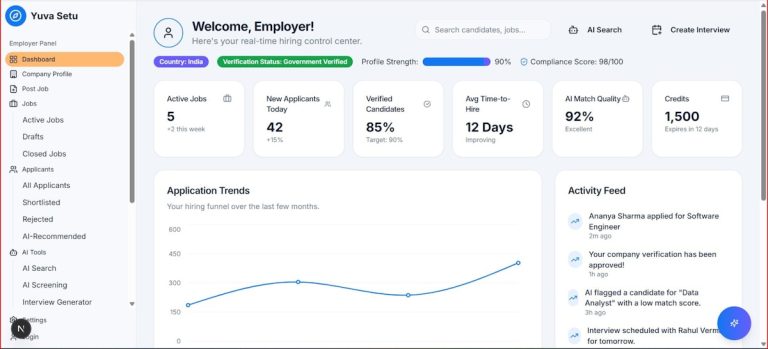
The digital map pack has changed drastically over the past year. Today, local search visibility is no longer just about classic keyword matching on Google Maps; it demands continuous updates, instant review governance, geo-targeted content generation, and modern AI engine readiness. Instead of juggling disjointed tools or paying thousands of pounds each month to opaque agencies, smart operators now deploy AI CMO: Unified AI Marketing Automation for Digital Growth to handle the heavy lifting while they focus on running their day-to-day operations.
The Five Pillars Every Local Business Still Struggles to Maintain
If you spend ten minutes reading discussions on local marketing forums, you will spot the exact same frustrations popping up every single week. Business owners know what they ought to do, but executing it continuously is nearly impossible for a lean team.
- Google Business Profile (GBP) Maintenance: It is never just a one-time setup. GBP requires weekly photo uploads, regular promotional posts, service menu refinements, and prompt responses to customer questions. Leave it dormant for two months, and your visibility slips.
- Review Velocity and Reputation: Getting five reviews in January and zero until August looks unnatural to search algorithms. Winning local firms need an ongoing review generation workflow and authentic, prompt replies.
- Hyper-Local Landing Pages: Covering three neighbouring postcodes is easy; covering fifteen requires bespoke, non-duplicate location landing pages packed with genuine geographic context and local schema markup.
- NAP Consistency Across Directories: Name, Address, and Phone number (NAP) variations across dozens of regional business directories dilute search engine trust. Auditing these manually feels like watching paint dry.
- Local Content and Geo-Relevance: Google rewards businesses that write about local community events, regional project case studies, and local industry guides. Most small firms simply lack the time to draft weekly articles.
To grasp how modern automated systems solve this, check our guide on how to onboard & manage your brand with aiCMO to see the baseline workflow in action.
The Transition from Search Engines to Answer Engines (GEO)
Here is the twist that caught many businesses off guard: people do not just type queries into traditional search bars anymore. Customers ask AI-driven chatbots and mobile assistants questions like, “Who is the most reliable commercial electrician near Bristol with emergency weekend availability?”
This shift is known as Generative Engine Optimisation (GEO). If your business data is messy, unverified, or scattered, these smart engines skip your business entirely and recommend your competitor down the road. You cannot manage this shift by hand tweaking meta titles once a quarter. You need autonomous operations that keep your regional digital footprint verified around the clock.
If you want to protect your turf across modern search interfaces, it is time to Master GEO Targeting with AI so generative assistants actively suggest your brand.
The Problem with Fragmented Point Tools and Agency Invoices
When local firms try to modernise their approach, they usually run straight into two expensive walls:
First, there are traditional agencies. Many charge £1,500 to £3,000 every month, provide vague PDF reports full of jargon, and assign junior staff who barely understand your trade. The communication loop is slow, and actual rankings can take months to shift.
Second, there is the fragmented software stack. You sign up for one tool to track keywords, another to monitor citations, a third to draft social snippets, and a fourth to scan reviews. Before long, you are spending hundreds of pounds monthly on software subscriptions that do not talk to each other, forcing you into the role of an unpaid software administrator.
Neither approach works for growing British businesses. What is needed is an autonomous system that unifies strategy, content production, and technical execution under human governance. You can explore how autonomous publishing simplifies distribution by testing the WordPress Plugin Beta directly on your content management system.
How Autonomous Marketing Agents Modernise Local Search
Modern marketing automation changes the entire dynamic. Instead of logging into five distinct platforms to run your marketing, you set the strategy once and let an AI operating system handle the day-to-day legwork.
By linking directly to your verified business data, an autonomous agent can:
– Continuously monitor regional search queries and map placements.
– Draft geo-targeted blog posts featuring local case studies, project logs, and suburb guides.
– Prepare structured local schema markup that clearly signals your operating hours, service areas, and company credentials to search engines.
– Prepare draft review responses that match your brand voice, ready for your quick confirmation.
Instead of spending ten hours a week on manual data entry, your marketing workload shrinks to reviewing and approving queued tasks. You stay fully in control while your site and business profiles receive steady, algorithmic updates.
To take manual maintenance off your plate entirely, you can Start Your SEO Autopilot and let verified agents maintain your site’s technical foundation.
Step-by-Step: Turning Manual Strategy into Continuous Execution
Let us look at how the manual tactics shared on SEO community forums transform when you introduce a unified AI marketing workflow.
1. Real-Time Citation and NAP Verification
In the manual world, you export CSV files, cross-reference directory entries, and email webmasters to fix outdated phone numbers. In an automated setup, the system scans regional directories continuously, flags discrepancies, and drafts corrections, keeping your core business details consistent across the web.
2. Geo-Contextual Content Production
Instead of staring at a blank screen wondering how to write about your services in three different towns, the AI system analyses regional search intent. It identifies what customers in each area care about, drafts distinct, highly relevant location pages, and arranges internal linking structures without creating spammy duplicate content.
3. Continuous Audit and Performance Tracking
Search rankings fluctuate constantly due to algorithm updates and competitor moves. Rather than waiting for an agency’s end-of-month report, businesses can monitor real-time rankings and algorithmic recommendations directly. You can read our detailed breakdown on how to check your brand’s AI visibility to see exactly how synthetic engines perceive your brand presence today.
By introducing structured approval workflows, your team never has to worry about rogue AI outputs or off-brand phrasing. The system prepares the work, matches it to your historical data, and waits for your confirmation before anything goes live.
To protect your positions and expand your local footprint across your target territory, Enhance Your Local Visibility using automated regional targeting.
Achieving Transparent Digital Growth Without Complexity
The goal of modernising your search strategy is not just winning vanity metrics; it is driving measurable phone calls, footfall, and quote requests. When your local search profile, on-page content, and technical markup operate in sync 24 hours a day, search algorithms recognise your brand as an active, dependable authority in your sector.
Small and medium-sized enterprises no longer need deep pockets or dedicated in-house technical teams to compete with national franchises. By switching from manual forum routines to a unified marketing operating system, you eliminate agency overheads, cut out software clutter, and secure steady regional dominance.
Ready to leave manual spreadsheet marketing behind? Partner with AI CMO: Unified AI Marketing Automation for Digital Growth to put your local visibility on autopilot today.