Voice search optimisation is the process of structuring digital content so conversational assistants and generative AI models can retrieve, interpret, and cite your answers instantly. When users speak to smartphones, smart speakers, or AI search assistants, these systems bypass traditional search engine results pages to return a single, definitive zero-click answer. Succeeding in this space requires pairing conversational question structures with structured data and entity-based authority.
The Death of Clunky Keywords: Why Spoken Search Runs Modern Discovery
Nobody speaks the way they type into a desktop browser. When sitting at a keyboard, someone might type “best plumber Bristol cheap”. When speaking aloud to their phone while looking at a leaking pipe, they ask: “Who is the highest-rated emergency plumber near me open right now?” That gap between rigid keywords and spoken language has turned search upside down. Modern search algorithms do not look for exact keyword matches; they use natural language understanding and real-time knowledge graphs to interpret context, location, and immediate intent. If your digital footprint still relies on stuffing robotic phrases into page headers, smart devices will simply ignore you. Adopting structured voice search optimisation ensures your brand answers the specific, real-world questions your customers speak into their phones every day.
Generative artificial intelligence has sped up this transition massively. When an assistant like Siri, Alexa, or an AI engine answers a query, it does not read out ten blue links. It selects one direct snippet or generates a synthesized overview, crediting a single authoritative source. If you fail to claim that spoken response, your visibility drops to zero. That creates an all-or-nothing environment for digital marketing teams. Winning requires real-time adjustments to your schema, headings, and entity relationships. Platforms built for continuous execution like Automate Your SEO with AI help businesses update these technical elements dynamically, keeping your content eligible for voice extraction 24/7.
How Do Voice and AI Search Engines Actually Pick Their Answers?
To capture spoken queries, you need to understand what happens under the hood when someone asks an assistant a question. AI assistants do not browse websites like human beings. They do not appreciate clever web design or decorative banners. They scan structured text to find a self-contained answer that can be spoken out loud without sounding awkward.
The Core Difference: Traditional Search vs Generative Engine Optimisation (GEO)
Traditional search engine optimisation concentrates on keyword density, metadata placement, and backlink authority. Those factors still matter, but Generative Engine Optimisation (GEO) and Answer Engine Optimisation (AEO) introduce an entirely new layer of machine readability. When an LLM or assistant processes content for voice playback, it evaluates four primary criteria:
- Spoken Answer Length: Can the core answer be articulated in under thirty words? Assistants prefer concise answers that do not bore listeners.
- Entity Density: Does your content connect specific brand attributes, services, and geographic regions into recognized semantic entities?
- Data Freshness: Are your operational details, prices, and service descriptions updated continuously across web directories and schema code?
- Direct Semantic Relevance: Does the first sentence following a question heading resolve the query directly without conversational filler?
When these four factors line up, the AI treats your content as a verified factual response rather than an opinion piece.
Why Long-Tail Questions Govern Spoken Queries
Spoken searches run much longer than typed searches. The average typed search query is between two and three words long. In contrast, spoken queries regularly exceed five to eight words. They almost always begin with natural interrogative pronouns: who, what, where, when, why, and how.
Consider how this changes search intent. A typed query like “CRM integration” could mean someone wants a definition, a software review, or a technical tutorial. A spoken query like “How do I connect my LinkedIn leads directly to my marketing database?” leaves zero ambiguity. To capture these queries, your content architecture must shift from broad topic overviews to precise question-and-answer pairs.
Step-by-Step Tactics to Format Content for Voice Search
Optimising for conversational search does not require rewriting your entire website from scratch. It requires formatting existing insights into modular blocks that machines can easily parse, extract, and speak.
1. Structure Modular FAQ Blocks
FAQ sections are prime territory for voice search extraction because they naturally mirror human dialogue. However, most business FAQ pages fail because they bury answers inside conversational paragraphs.
To build an effective voice FAQ block:
- Use direct question phrasing in the heading: Match how a normal human would phrase the question out loud (e.g., “### How much does marketing automation cost for a small business?”).
- Lead with the blunt conclusion: Provide the definitive answer in the first 25 words. Give the actual price range, timeframe, or yes/no answer upfront.
- Provide elaboration in subsequent sentences: Use two or three following sentences to offer background context, variables, or criteria.
This structure gives the search engine an immediate snippet to quote, while offering human visitors deeper detail if they decide to read on.
2. Implement Deep Schema Markup
Schema markup is the machine-readable translation of your website content. Without structured data, an AI engine has to guess what your text means. With schema, you state your facts explicitly.
To maximise conversational visibility, apply these specific schema types:
- FAQPage Schema: Maps each question heading to its exact text answer, allowing search engines to extract clean pairs.
- LocalBusiness Schema: Outlines your physical location, operating hours, telephone numbers, and service radius, powering “near me” spoken inquiries.
- Product and Service Schema: Feeds assistants the exact specifications, pricing structures, and availability of your offerings.
Keeping your structured data clean and verified across all digital touchpoints prevents assistants from citing outdated pricing or obsolete opening hours.
3. Claim Position Zero via Featured Snippets
Position zero, the featured snippet block appearing above standard search listings, serves as the primary data source for Google Assistant and voice devices. When an assistant reads an answer out loud, it almost invariably pulls directly from that snippet.
To win position zero:
- Use structured ordered lists (
<ol>) when describing sequential processes, guides, or rankings. - Use bulleted unordered lists (
<ul>) when summarizing feature sets, options, or components. - Keep paragraphs tightly focused on a single topic, avoiding rambling multi-sentence digressions.
Streamlining this formatting manually across hundreds of pages takes considerable time. This is where tools like SEO & GEO Autopilot prove invaluable, automatically restructuring on-page elements, headings, and schema so your pages meet technical answer-engine requirements without manual developer interventions.
The Execution Problem: Traditional Tools vs Automated Systems
Most marketing teams already know conversational search matters. The real issue is execution. Small to medium enterprises, startups, and lean marketing departments rarely have the engineering hours required to keep every page, schema block, and entity profile updated.
The Failure of Analytics-Only Software
Platforms like SEMrush, Moz, and Ahrefs offer massive keyword databases and backlink records. But they suffer from an obvious structural limitation: they are purely diagnostic. They generate lengthy spreadsheets showing broken tags, lost rankings, and emerging long-tail queries. They tell you what went wrong last week, but they do not fix anything.
After reviewing a 50-page diagnostic report, your team must still write copy, code structured data, edit meta tags, and re-publish pages manually. Because manual workflows move slowly, search algorithms and AI training snapshots shift long before the updates go live. This creates a perpetual cycle of falling behind, bloated agency retainer bills, and missed ranking opportunities.
Closing the Loop with Hands-On AI Automation
Bridging this gap requires moving from passive analytics software to an active execution framework. Rather than simply alerting you to conversational search trends, modern platforms automate the actual technical work.
- SEO & GEO Autopilot: Handles 24/7 technical optimization, entity-graph updates, and Generative Engine Optimisation automatically, keeping your brand eligible for voice citations without hiring a dedicated SEO agency.
- AI Visibility Tracker: Scans Large Language Models and voice surfaces in real time, showing you exactly how, when, and where your business gets cited by conversational assistants.
- AI Content Strategist & Generator: Builds comprehensive, entity-dense articles and modular answer sections tailored specifically to conversational search intent.
- LinkedIn Chrome Plugin: Integrates inbound organic visibility directly into your outbound sales efforts, allowing marketing teams to initiate personalized outreach based on real customer intent.
By uniting these components into a single system, businesses eliminate reliance on expensive, opaque agencies while keeping their content continuously aligned with generative search standards.
How to Measure Success in Zero-Click Search
If voice search gives users immediate spoken answers without sending clicks to your website, how do you track performance? Relying exclusively on standard web traffic analytics paints an incomplete picture.
Critical Metrics for Conversational and Voice Search
- AI Citations and Mentions: Monitor how frequently LLMs, smart assistants, and generative overviews cite your domain as an authoritative source.
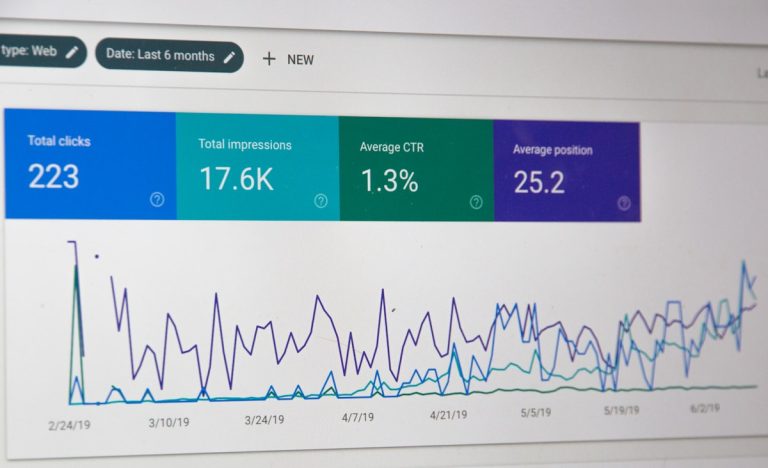
- Conversational Query Impressions: Check Google Search Console for impressions on long-tail, interrogative search phrases (queries containing how, can I, where).
- Local Map Pack and Directory Performance: Voice searches on mobile devices have immense local intent; high positions in local packs directly reflect conversational authority.
- Conversion Rates over Raw Visits: Visitors who arrive after hearing a voice recommendation often display far higher purchase intent than casual browsers. Track completed forms, phone calls, and sales inquiries rather than superficial pageviews.
To see how your brand performs across AI-driven discovery engines, explore Master GEO Targeting with AI to benchmark your real-time presence across answer surfaces.
Why Local SEO Governs the Majority of Voice Searches
More than half of all spoken queries on mobile devices involve immediate local intent. Consumers rely on voice search when driving, walking, or multitasking, asking for directions, recommendations, and local operational details.
Capturing “Near Me” Spoken Intent
Winning local conversational queries requires strict technical consistency across your entire digital footprint:
- Name, Address, Phone (NAP) Uniformity: Ensure your business name, street address, and phone number are formatted identically across every local directory, schema tag, and social channel. Discrepancies confuse search assistants, causing them to recommend a competitor with clearer data.
- Local Landmark and Regional Phrasing: Voice searchers frequently use neighbourhood names, metro stations, or local vernacular rather than official postal boundaries. Integrate these geographic identifiers naturally into your service pages and localized FAQs.
- Mobile Page Speed Optimization: Voice assistants demand near-instant verification. If your server takes three seconds to return page data, the assistant will bypass your site and pull information from a faster alternative.
When local optimization pairs with clean structured markup, your business becomes the default recommendation for nearby customers searching via voice.
Future-Proofing Your Content for Generative Search Models
Search behavior is undergoing its most radical transformation since the invention of the web crawler. As large language models absorb conversational queries, static keyword matching continues to lose relevance.
Transition from Superficial Volume to Topical Authority
Publishing high volumes of superficial, generic content no longer works. AI engines assess topical authority before citing an answer. They evaluate whether a domain offers deep, cohesive, and factually accurate coverage of an entire subject area.
To build verifiable topical authority:
- Build interconnected topic clusters that answer every subsidiary question surrounding your core services.
- Provide proprietary data, operational facts, and clear viewpoints that AI models cannot easily synthesize from public generic summaries.
- Continuously refresh legacy articles to keep facts, figures, and technical instructions completely accurate.
Using the AI Content Strategist & Generator allows lean teams to maintain this depth across multiple channels without burning out internal staff or outsourcing work to expensive external copywriters.
Putting Voice Search Optimisation to Work
The growth of conversational search and AI answer engines does not mean traditional search is dead; it means search has grown up. People want direct, accurate answers without digging through multiple websites, and they expect their devices to understand natural human language.
By building modular FAQ blocks, adding comprehensive schema markup, and tracking brand citations across generative models, you establish your business as an authoritative voice in modern search results. You do not need massive enterprise marketing budgets or armies of agency consultants to achieve this. You simply need the right automated systems working behind the scenes.
Take the manual labor out of your search strategy. Use Start Your SEO Autopilot to keep your website structured, optimised, and ready for conversational search around the clock.