Navigating the New Search Era with Adaptive Marketing Automation
Modern search engines do not behave the way they used to. If you are still relying purely on static keywords and month-old agency reports, your strategy is already decaying. Search engines now update constantly, and Generative AI engines are reshaping how customers find answers online. Staying visible requires a system that evolves in real time. Implementing adaptive marketing automation with AI CMO gives growing businesses the power to automatically adjust content, target multi-channel intent, and maintain top visibility without spending a fortune.
The secret lies in bridging the gap between traditional search optimization and new generative search patterns. Instead of paying hefty agency retainers or managing six different software subscriptions, modern marketers can unify their workflows under one intelligent system. With 24/7 continuous optimization, you get precise execution, lower operational overhead, and measurable growth within weeks. Let us explore why digital search is shifting so quickly and how you can position your brand to win.
Why Traditional Search Marketing Strategies Are Falling Behind
For years, digital marketing followed a predictable playbook. You hired an agency or built an in-house team. You bought subscriptions for tools like SEMrush or Ahrefs to research keywords, spent weeks drafting blog posts, and hoped for rankings to improve months later.
That linear approach is broken. Here is why:
- Algorithm changes happen daily: Search engines update their ranking factors continuously. Manual optimization cannot keep pace with rapid shifts in search intent.
- Agencies are slow and costly: Traditional marketing agencies often charge thousands of pounds every month while delivering slow communication and opaque reporting.
- Tool fragmentation creates clutter: Relying on separate platforms for keyword research, rank tracking, and content publishing creates disjointed data and wasted time.
When your competitors adapt to search changes in minutes while your team takes weeks, you lose market share. To compete effectively, you need systems built for quick execution rather than slow manual audits.
Understanding the Rise of Generative Engine Optimisation (GEO)
Standard Search Engine Optimisation (SEO) focuses on matching web pages to specific user queries on search engine results pages. But search is no longer limited to standard blue links. Today, millions of potential customers ask direct questions to generative AI platforms like ChatGPT, Perplexity, and Google Search Generative Experience.
This shift introduced Generative Engine Optimisation (GEO).
GEO involves structuring your brand’s online presence so AI platforms cite your website as an authoritative source. Traditional SEO gets you on page one of a search list; GEO gets your brand recommended directly inside an AI-generated answer.
If your content strategy ignores GEO, you miss out on high-intent prospective clients who use AI assistants to compare products and services. Combining SEO and GEO into a single workflow ensures that your brand remains visible regardless of how your audience searches.
To stay visible across both traditional search engines and AI discovery tools, forward-thinking teams choose to automate your SEO with AI for continuous content generation and optimization.

The Core Advantages of Adaptive Marketing Automation
What makes a system truly adaptive? It isn’t just scheduled posting or automated email sends. True adaptation means the software analyses audience behaviour, tracks search shifts, and actively updates strategies on the fly.
Here are the primary advantages of replacing manual processes with an adaptive platform:
1. Unified Operations
Instead of juggling single-purpose tools, a unified platform manages keyword discovery, content creation, and real-time rank tracking under one roof. This saves money on software licensing and eliminates repetitive administrative tasks.
2. Rapid Content Generation
Scaling quality content manually takes significant bandwidth. By leveraging real-time performance data, an automated engine generates targeted, high-performing blog content and landing page updates that align directly with real buyer intent.
3. Local and Regional Precision
Reaching customers in target locations requires precise local parameters. Using smart tools, you can master GEO targeting with AI to capture high-intent local traffic before your competitors even spot the trend.
4. Measurable Cost Savings
For small and medium enterprises (SMEs) and tech startups, budget efficiency is everything. Replacing fragmented monthly software bills and agency invoices with an automated solution dramatically lowers operational expenditure while boosting execution speed.
If you are evaluating options to streamline your growth stack, you can explore adaptive marketing automation options built specifically to optimize both classical and generative search workflows.
How AI CMO Outperforms Traditional Marketing Toolkits
Many popular platforms offer solid analytics, but they fall short when it comes to hands-on execution. Let us look at how traditional platforms compare to an adaptive AI CMO model:
- SEMrush and Ahrefs: Excellent for backlink analysis and keyword databases, but they are purely analytical tools. They tell you what is wrong, but leave all the manual work to you.
- HubSpot and Marketo: Powerful enterprise marketing suites, but they come with high subscription costs and steep learning curves. They lack dedicated automated workflows specifically designed for GEO.
- Moz: Great for beginners tracking basic keyword positions, but lacks integrated multi-channel AI content generation.
AI CMO fills this exact gap. It does not just provide graphs and tables; it executes the tactical work. It constantly audits your online visibility, adjusts SEO parameters, and generates optimized content continuously.
When your team wants to save time on routine optimizations, choosing to start your SEO autopilot workflow allows strategy leads to focus on core business growth rather than operational chores.

Step-by-Step: Future-Proofing Your Search Strategy
Transitioning to an automated growth strategy does not need to be complicated. Here is a clear blueprint to modernise your search marketing operations:
Step 1: Consolidate Your Tool Stack
Audit every marketing software subscription you currently pay for. Identify overlap between your analytics, rank tracking, and content tools. Replace single-use dashboards with a single, comprehensive AI platform.
Step 2: Integrate SEO with Conversational Intent
Re-evaluate your keyword lists. Move beyond simple short-tail search terms. Include conversational phrasing, direct questions, and intent-focused queries that generative search engines prioritise. Brands aiming to improve regionally should also enhance your local visibility effortlessly to capture nearby high-converting prospects.
Step 3: Implement Automated Content Creation
Consistent publishing builds topical authority. Use data-driven automated workflows to create accurate, well-structured articles based on real customer intent and search trends.
Step 4: Track Performance in Real Time
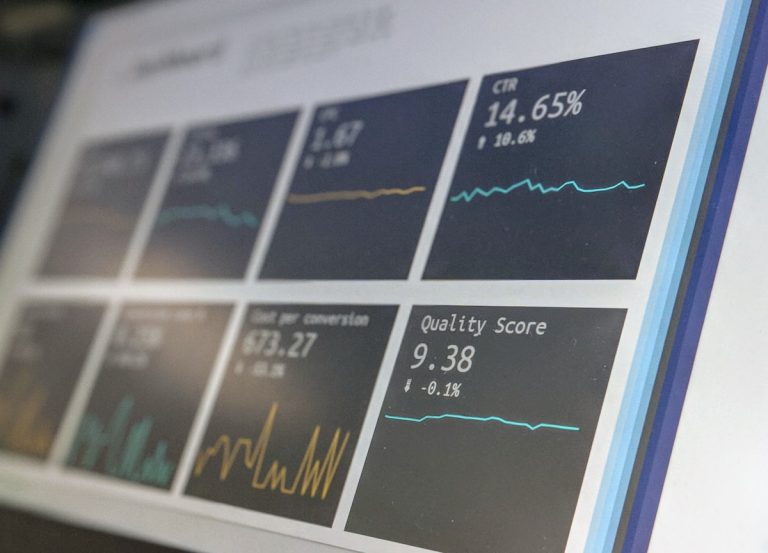
Stop waiting for monthly marketing reviews. Use real-time tracking dashboards to monitor traffic surges, position changes, and indexation updates continuously. Adjust your focus based on actual performance metrics rather than assumptions.
To make sure your content remains visible across all major platforms, you can boost your search rankings now with targeted, continuous optimisation.
Final Thoughts: Taking Control of Your Digital Growth
The digital marketing landscape is moving faster than ever. Agencies that rely on slow manual processes and fragmented tool stacks are becoming obsolete. Businesses that embrace adaptive marketing automation gain a massive competitive advantage: faster publishing speeds, higher accuracy across SEO and GEO search results, and significant cost savings.
You do not need an enterprise budget or a massive internal marketing department to dominate search rankings. By automating repetitive operational tasks, your team can focus on big-picture strategy while intelligent systems handle daily execution behind the scenes.
Ready to future-proof your digital presence and drive sustainable search traffic? You can try AI CMO: unified AI marketing automation for digital growth and take complete control of your marketing success today.