Why Window Shoppers Stall (And How to Bring Them Back)
Running an online shop often feels like hosting an open house where hundreds of people browse, nod politely, and then walk straight out the door. You spend good money attracting visitors, tweaking product descriptions, and refining your checkouts. Yet, the vast majority of baskets sit untouched. Shoppers add items they fancy, check their bank balance, hesitate over shipping costs or current discounts, and leave. This is where automated dynamic notifications step in to bridge the gap. By tracking user intent and pinging shoppers the second an item costs less, you turn passive browsing into immediate sales. Setting up automated price drop alerts gives your brand an instant pulse check on customer intent, ensuring that price-sensitive interest turns into revenue without waiting for a seasonal clearance sale.
Most store owners rely on traditional newsletter blasts or basic abandoned cart emails to capture this revenue. While those tools have their place, they often arrive too late or talk about products the customer no longer cares about. Standard transactional systems send isolated emails, but they fail to look at the broader picture of customer acquisition, search discovery, and cross-channel retargeting. If your pricing strategy works in a silo away from your organic marketing, you lose margins and potential repeat buyers. Integrating smart notification workflows with an all-in-one marketing operating system creates a complete loop: your shop attracts high-intent organic visitors, monitors their interest, and triggers real-time incentives at the exact moment they are ready to buy.
The Mechanics of Price Drop Alerts
Let us look at how price alerts actually work behind the scenes. When a shopper visits your store, your site tracks the items they view, add to a wishlist, or leave behind in a shopping basket. If you mark that item down later, whether by five percent or twenty pounds, an automated event triggers.
A notification then lands in the shopper’s inbox, SMS feed, or browser notifications. It says: “Good news, that jacket you looked at on Tuesday is now £15 off.”
It works because it taps into three core shopping habits:
- High Personal Relevance: Unlike generic weekly discount emails, this message is strictly about a product the customer picked out themselves.
- Loss Aversion: Seeing a lower price creates an immediate sense of urgency. The buyer assumes the price drop will not last forever, or that stock might clear out quickly.
- Minimal Effort: The customer does not need to search for coupon codes or check comparison sites. The lower price is handed directly to them.
Platforms like Brevo and various e-commerce email tools offer baseline features for price drop triggers. You define a minimum price reduction threshold, design a simple email template, and let the software fire off emails when catalogue values shift.
It sounds tidy. However, for growing retailers and small marketing teams, isolated triggers create isolated problems.
The Flaw of Fragmented Marketing Tools
Standalone email automation tools do one job reasonably well. They send messages when an e-commerce feed updates. But what happens before that visitor ever finds your product? What happens after they ignore the email?
Most small to medium-sized businesses run their marketing across a mess of disconnected software:
- One tool handles email templates.
- An expensive agency manages Google Search and SEO rankings.
- Another subscription manages social media channels.
- An analytics dashboard sits in another tab, showing numbers that never quite match up.
When you run an e-commerce store this way, dynamic pricing notifications exist in a vacuum. If your SEO team does not know which products have active price reductions, they cannot create targeted content or update product structured data. If your social channels are not highlighting items currently on sale, you miss cheap conversion opportunities.
Furthermore, traditional marketing agencies charge thousands of pounds each month simply to analyse spreadsheets and recommend changes you do not have the time to make. You end up with lots of reports, very little execution, and a growing stack of SaaS invoices. To make price alerts work at scale, you need a marketing operating system that handles search engine visibility, regional targeting, and messaging simultaneously.
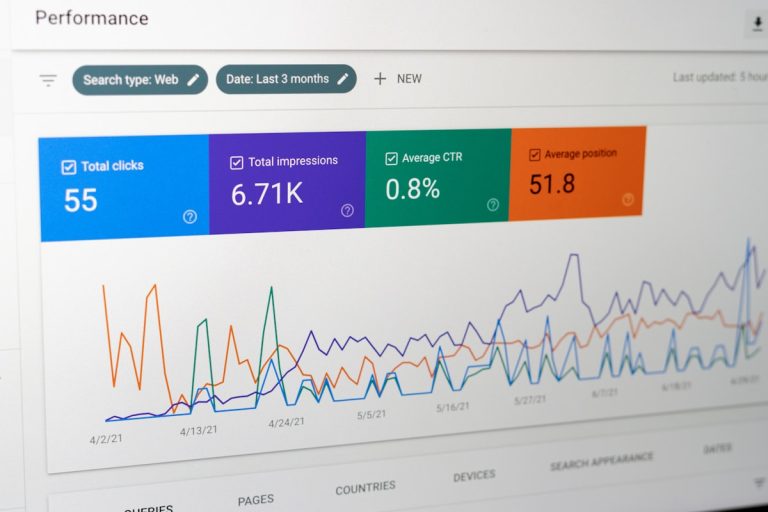
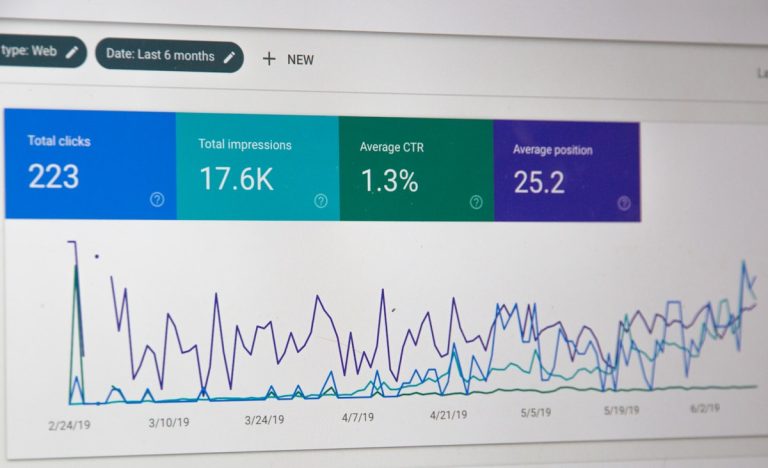
Before you can notify anyone about a lower price, shoppers must discover your catalogue through search engines, which is why brands rely on SEO Automation to keep their product pages ranking without manual tinkering.
Unifying Search and Conversion with AI CMO
Imagine if your marketing operations ran on an integrated, intelligent layer rather than four different dashboards. That is the philosophy behind AI CMO. Instead of forcing you to jump between point tools, it provides a comprehensive digital marketing automation platform built specifically for small to medium enterprises, startups, and lean teams.
AI CMO does not just report data; it acts on it. Operating 24/7, it monitors organic search patterns, targets regional search intent (GEO targeting), and organises content across your active channels.
When paired with modern e-commerce automation, the platform balances top-of-funnel discovery with bottom-of-funnel conversions. While your shopping cart triggers notify people who already looked at your inventory, your automated marketing system continuously drives qualified searchers into your product funnels. You can read our detailed guide on how to manage multi-channel with aiCMO to see how unified workflows replace scattered marketing software.
When your organic channels run continuously, your store receives a steady flow of high-intent visitors. The more qualified shoppers browse your catalogue, the more powerful your automated alerts become. You can implement price drop alerts as an active conversion asset rather than a forgotten toggle inside an email dashboard.
Regional Demand and Localised Offers
Retail is rarely uniform. A product that struggles to sell in Manchester might fly off the shelves in London. Consumer demand shifts depending on seasonal weather, local holidays, and delivery options.
Traditional marketing tools treat your entire audience as a single group. They send the same percentage drop to everyone, ignoring geographic nuances. With modern generative engine optimisation (GEO) and regional targeting, you can tune your campaigns to match local buying intent.
If your team struggles to surface product ranges in specific territories, deploying GEO Visibility makes it easier to capture high-intent local buyers who want quick delivery and regional availability.
By coordinating local search visibility with catalogue updates, you avoid slashing prices unnecessarily. If an item already ranks number one in local organic search and sells steadily, you do not need to discount it. If an item suffers from poor engagement in a key market, you can pair a price reduction with targeted organic updates to clear excess stock without eating into your operational margins.
Practical Steps to Build a Conversion Engine
Setting up this framework does not require a dozen developers or weeks of onboarding. Here is how a lean retail team can put these pieces together.
1. Set Sensible Price Reduction Thresholds
Do not notify shoppers for a 50p reduction on a £100 item. It annoys customers and makes your brand look desperate. Set your triggers at a meaningful level, typically between 10% and 15%. This gives shoppers a genuine incentive to complete the purchase while protecting your gross margins.
2. Strengthen Organic Catalogue Visibility
A price notification only works if people view your products in the first place. Ensure your product category pages, specifications, and buying guides stay updated. To see how real businesses handle organic traffic growth, review the IMAINTAIN.UK Case Study for insights on accelerating brand visibility quickly.
By keeping your technical search profile clean, you continually feed your retargeting pools with fresh shoppers. You can easily Start Your SEO Autopilot to maintain your rankings and ensure your product catalogue captures steady organic demand without manual overhead.
3. Coordinate Across Channels
When an item receives a significant markdown, do not restrict the update to email. Share the offer on social channels, update blog buying roundups, and ensure search engines pick up on the updated price schema.
Instead of writing social posts and blog announcements manually, modern marketing teams use governed AI systems. This allows you to generate channel-appropriate updates that follow your brand voice, require a simple review, and publish instantly. If you operate an e-commerce site on common CMS platforms, you can check how to install and run the aiCMO WordPress Plugin beta to connect your content directly with automated workflows.
4. Monitor Real-Time Performance
Track your conversion rates, average order values (AOV), and unsubscribe rates. If you send too many notifications, unsubscribes will rise. Keep your messaging direct, informative, and focused on customer value.
To keep a firm grasp on your brand’s regional presence, look into ways to Enhance Your Local Visibility across emerging AI search tools and traditional search engines alike.
Scaling Without Agency Overhead
For years, the standard advice for growing e-commerce stores was simple: hire an agency or recruit a massive internal team. But traditional agencies often operate like black boxes. They take weeks to draft copy, send invoices with opaque line items, and rarely guarantee measurable organic growth.
On the other side of the coin, point-solution tools leave you stranded. A tool that sends an email alert does not fix your declining search rankings. A tool that writes blog posts does not check if those posts comply with Google Search Console data or drive actual revenue.
AI CMO changes this dynamic by acting as an intelligent marketing layer. It automates repetitive operational tasks, manages SEO, tracks generative search visibility, and prepares multi-channel campaigns for your approval. You keep complete human-in-the-loop control, but you shed the friction of manual drafting, keyword tracking, and fragmented execution.
When your marketing engine runs smoothly behind the scenes, high-impact conversion tools like dynamic pricing notifications deliver far better returns. You capture more visitors at the top of the funnel, keep them engaged through clear messaging, and close sales when prices shift.
Take control of your customer acquisition, retain margins on every sale, and launch your price drop alerts alongside full-stack marketing automation today.