Why Waiting for End-of-Month Reports Is Killing Your Growth
Traditional marketing reports are essentially post-mortems. You launch a campaign, spend thousands of pounds, and then wait weeks to see if it actually worked. By the time you spot a bad ad set or a failing keyword, your budget is already gone. Implementing real-time campaign tracking turns that slow, reactive model on its head. It gives you instant insight into customer interactions as they happen, letting you pivot, adjust ad spend, and fix broken funnels immediately. Modern growth relies on fast feedback loops, and live data is the fuel that keeps your brand moving ahead of competitors.
When you pair streaming data with intelligent automation, marketing becomes predictable instead of stress-inducing. Instead of wasting hours stitching together disconnected analytics spreadsheets from multiple platforms, modern businesses use unified artificial intelligence to streamline operations. If you want to transform how your team manages live insights and daily execution, explore AI CMO: Unified AI Marketing Automation for Digital Growth to keep your strategy agile and cost-effective. By replacing fragmented tools and agency retainers with continuous optimization, you can make every marketing pound work harder.
The Fatal Flaw of Batch-Processed Analytics
Remember the old way of doing marketing analytics? You ran ads for 30 days. On the 1st of the next month, an analyst pulled CSV files from six different dashboards, scrubbed the formatting, and handed you a static PDF report.
That approach is broken. Here is why:
- Lagging signals: A drop in traffic on day three goes unnoticed until day thirty.
- Wasted spend: You keep paying for non-converting clicks for weeks on end.
- Context loss: By the time you notice a viral spike, the moment has passed.
Batch processing belongs to a different era. Today, consumer behaviour shifts in minutes. A viral social post, a sudden change in search intent, or a competitor dropping prices requires a swift response. If your data updates once a week, you are making decisions while looking entirely in the rear-view mirror.
Effective real-time campaign tracking shifts your decision-making from post-mortem analysis to live performance tuning. It treats your marketing funnel like a living system rather than a static experiment.
What Does Real-Time Campaign Tracking Actually Look Like?
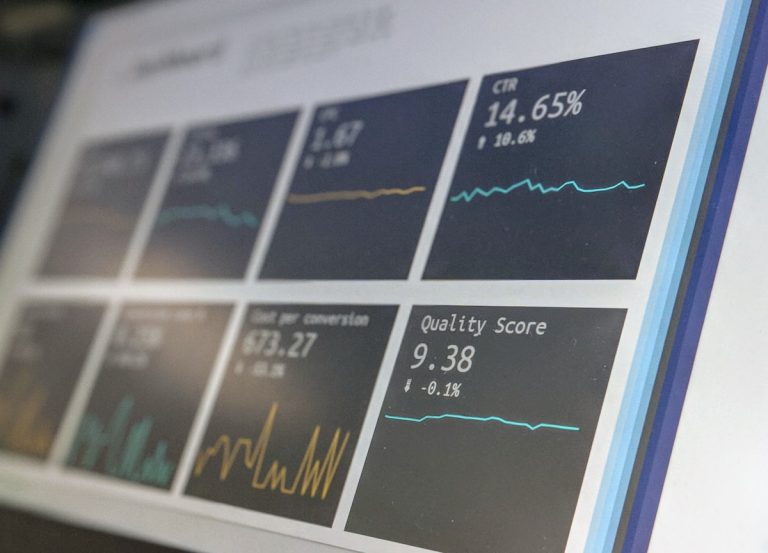
Let us cut through the jargon. Real-time analytics is not just a dashboard with pretty flashing lights. It is an infrastructure that collects user interactions, processes them instantly, and presents actionable steps right away.
When you track active campaigns in real time, you can monitor several critical metrics continuously:
- Instant conversion attribution: Knowing exactly which ad variant or blog post triggered a signup five seconds ago.
- Live audience behaviour: Watching how user traffic flows across landing pages, where they drop off, and where they engage.
- Keyword momentum: Spotting rising search terms as they gain traction, allowing you to Automate Your SEO with AI without manual keyword hunting.
- Geo-targeted engagement: Tracking local visibility spikes across specific towns or regions in real time.
When these signals feed directly into an intelligent marketing platform, you do not just observe what happens. You automate the response.
Traditional Dashboards vs AI-Driven Execution
Many platforms promise real-time dashboards. Platforms like SEMrush, Moz, or Ahrefs offer deep SEO data and backlink analysis. HubSpot provides inbound marketing pipelines. Sprout Social manages social channels.
However, traditional analytics tools have a major limitation: they show you the data, but they make you do all the work.
You still have to log in every morning. You still have to interpret the charts. You still have to write new content, fix broken meta tags, update target keywords, and manually adjust campaign budgets. For small to medium enterprises and startups, this creates a massive bottleneck. You end up needing a full team of specialists or an expensive external agency just to execute on the insights.
This is where unified AI automation changes the game completely.
| Feature | Legacy Marketing Dashboards | AI CMO Unified Automation |
|---|---|---|
| Data Collection | Manual exports or static charts | Continuous streaming analysis |
| SEO Optimization | Manual keyword research and edits | 24/7 continuous SEO execution |
| Local Search (GEO) | Basic location filters | Automated GEO Visibility Targeting |
| Execution Speed | Days or weeks to update strategies | Real-time automated adjustments |
| Resource Cost | Requires full team or agency | Solves execution without extra headcount |
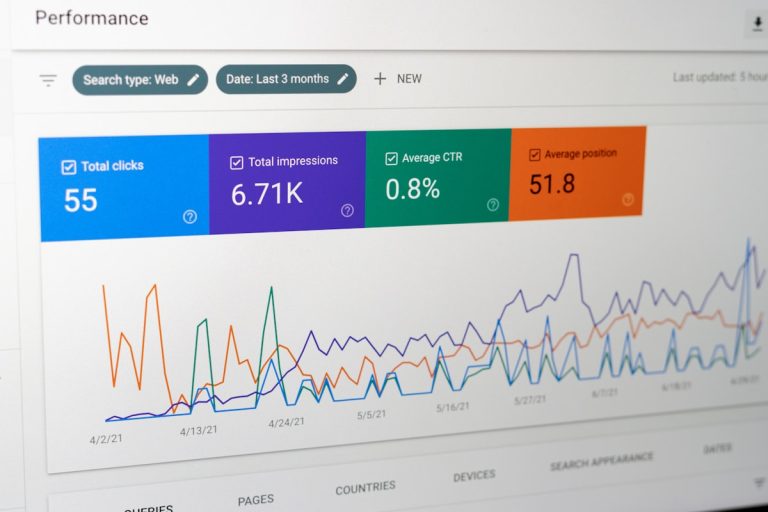
Instead of spending hours staring at charts in Google Search Console or social media managers, an integrated AI CMO platform connects tracking directly to execution. It spots the gap, writes the targeted content, optimizes the code, and publishes updates on autopilot.
How AI CMO Automates Real-Time Optimization
Marketing efficiency relies on eliminating friction. When real-time campaign tracking spots an opportunity or a dip in performance, AI CMO takes action immediately.
Here is how the AI CMO engine operates behind the scenes:
1. Continuous SEO Optimization
Search engine rankings fluctuate daily. Search engines frequently update their algorithms, and competitors regularly push fresh content. Instead of doing quarterly site audits, AI CMO monitors your organic presence 24/7. When search engines change ranking criteria or keyword trends shift, the platform updates your content strategy instantly. You can easily Start Your SEO Autopilot to keep your search rankings climbing continuously.
2. Hyper-Local GEO Visibility
Search intent is increasingly local and personalized. If your business serves specific geographic regions across Europe or the UK, standard global SEO is not enough. The platform uses real-time location signals to optimize for Generative Engine Optimization (GEO) and local search intent. To make sure customers in your target area find you first, you can Master GEO Targeting with AI and capture high-intent local queries automatically.
3. Unified Multi-Channel Strategy
Fragmented tools cause fragmented messaging. When your email tool, SEO suite, and ad tracking operate in silos, you waste time reconciling data. AI CMO consolidates multi-channel execution into one intuitive, hands-on dashboard. To see how a single platform can unify your entire digital footprint, check out AI CMO: Unified AI Marketing Automation for Digital Growth.
4 Actionable Steps to Implement Real-Time Analytics Today
If you want to move away from slow reporting and embrace live optimization, follow these practical steps:
Step 1: Unify Your Data Inputs
Stop relying on six different logins to check your performance. Connect your website analytics, search metrics, and ad engines into a centralized platform. Real-time tracking requires a single source of truth.
Step 2: Establish Automated Alerts for Anomaly Detection
Set up automatic triggers for drastic changes in traffic or conversion rates. If conversion rate drops by more than 15% on a high-performing landing page, you need an immediate notification, not a line item in next month’s deck.
Step 3: Connect Tracking Directly to Content Execution
Tracking is useless if you cannot act quickly. Build workflows where performance insights automatically dictate your content production schedule. When live tracking highlights a surge in search queries around a specific topic, your platform should draft and publish optimized articles right away.
Step 4: Leverage AI to Remove Operational Overhead
Small teams do not have the bandwidth to monitor feeds around the clock. By letting AI manage routine tasks like meta tag updates, content generation, and geo-targeting, your team can focus on high-level strategy, product development, and customer relationships. You can Boost Your Search Rankings Now by handing over repetitive technical work to intelligent algorithms.
The Business Impact: Higher ROI, Lower Overhead
What happens when you swap agency invoices and fragmented tools for unified AI automation?
- Significant Cost Savings: Traditional agencies charge high monthly retainers for manual execution. AI-driven systems provide 24/7 coverage at a fraction of the cost.
- Faster Results: Instead of waiting months to see search performance movement, automated content creation and continuous optimization deliver visible traffic gains within weeks.
- Full Transparency: No opaque agency billing or hidden hours. You see exactly what is being optimized, tracked, and published in real time.
- Scalability: As your product lineup or service areas grow, your automated marketing engine scales effortlessly without needing additional staff.
Take Control of Your Marketing Performance
In modern digital business, speed is your greatest competitive advantage. Relying on outdated data and manual execution holds your business back while more agile competitors capture market share.
By mastering real-time campaign tracking and automating your execution with AI, you build a resilient, scalable growth engine that works 24 hours a day, 7 days a week. You do not need a massive marketing team or a costly agency retainer to dominate search results and acquire local customers. You simply need the right tools doing the heavy lifting for you.
Ready to automate your marketing workflows and secure long-term digital growth? Visit AI CMO: Unified AI Marketing Automation for Digital Growth today to launch your AI-driven strategy and start seeing measurable performance gains.