Why Keyword Intent Makes or Breaks Your Organic Search Engine Optimisation Strategy
Most marketing teams spend countless hours building spreadsheets full of search terms, only to wonder why their traffic never turns into revenue. Ranking on page one means nothing if you serve a product sales page to a searcher looking for a beginner tutorial, or an academic essay to someone holding their credit card. Search engines want to satisfy user queries instantly; when your content matches the underlying user goal, you get sustained visibility and conversions. Truly understanding keyword intent is what separates high-performing growth marketing from wasted digital effort.
Traditional SEO platforms like SEMrush or Moz give you raw data, leaving you to manually categorise hundreds of rows of queries and guess what users want. A modern approach brings automation into the fold, connecting the dots between algorithmic SERP changes, customer behaviour, and live content execution. If you are exhausted by piecing together multiple analytics dashboards, it is time to use AI CMO: Unified AI Marketing Automation for Digital Growth to match user queries with high-converting pages automatically.
What is Search Intent and Why Does It Matter?
At its core, search intent (also known as keyword intent) represents the underlying reason a person types a specific query into a search engine.
Think about it like this:
* If someone searches for “what are chia seeds”, they want a quick health breakdown or botanical facts.
* If that same person searches for “buy organic chia seeds 1kg”, they are ready to purchase.
If you serve an e-commerce checkout page to the person asking “what are chia seeds”, they will bounce immediately. That bounce signals to Google that your page did not satisfy the user. As a result, your rankings slip.
Modern search engines do not just match words on a screen; they evaluate user satisfaction signals. Meeting keyword intent directly impacts your dwell time, click-through rates, and domain authority.
The Four Core Types of Keyword Intent
SEO experts classify search queries into four distinct buckets. Let us break them down clearly.
1. Informational Intent
Informational queries happen when people want to learn something new. They often take the shape of questions:
* “how to fix a leaking tap”
* “what is keyword intent”
* “history of search engines”
These searchers are rarely looking to pull out their wallet right now. They want direct answers, clear step-by-step guides, infographics, or videos. You target these queries using educational blog articles, knowledge-base guides, and tutorials. It builds brand authority early in the customer journey so buyers remember your name later.
2. Navigational Intent
Navigational queries occur when a user wants to find a specific website or webpage. They already know the brand or destination:
* “Canva login”
* “Royal Mail tracking”
* “aiCMO contact page”
These keywords have very low purchase intent on their own because the user knows where they are headed. Unless you own the brand, attempting to rank for a competitor’s navigational query is usually a poor use of marketing resources.
3. Commercial Intent
Commercial queries happen when a buyer is doing research right before spending money. They know their problem, they know solutions exist, but they are evaluating options:
* “best project management software for startups”
* “SEMrush vs Ahrefs”
* “affordable marketing automation tools UK”
These users want reviews, side-by-side comparison tables, feature checklists, and honest breakdowns. To help your brand get discovered during these pre-purchase decisions, you can Enhance Your Local Visibility across specific target regions where high-intent buyers evaluate service providers.
4. Transactional Intent
Transactional queries represent high-intent searchers ready to convert right away:
* “buy coffee beans online”
* “book emergency plumber London”
* “order running shoes next day delivery”
These pages require slick checkout flows, clear pricing tables, trust signals, and minimal distraction. If your transactional pages are weighed down with 3,000 words of background history, buyers will leave for a competitor who makes checkout effortless.
Manual Research vs. Automated SEO Execution
Legacy tools like SEMrush, Moz, and Ahrefs provide keyword intent labels in their dashboards. You can filter by informational or transactional queries, download a CSV file, and review SERP features manually.
While these platforms excel at raw data collection, they stop short of doing the actual marketing work. Marketers must manually:
1. Export keyword lists into spreadsheets.
2. Cross-reference search results in private browser tabs.
3. Analyse competitor word counts and page layouts.
4. Brief freelance copywriters.
5. Manually configure schema, metadata, and local tags.
This fragmented process creates major bottlenecks for small to medium-sized enterprises. You pay hundreds of pounds each month for tool subscriptions, yet your in-house team spends twenty hours a week on manual data entry instead of strategic business growth.
Modern marketing requires closed-loop automation. Instead of just seeing that a keyword is transactional, modern systems analyse the SERP, assess your site authority, map the correct keyword intent, and deploy optimised content through platforms like the WordPress Plugin Beta.
To stop losing hours to manual keyword tagging, you can Automate Your SEO with AI and let intelligent systems handle content planning, technical auditing, and keyword mapping on autopilot.
How to Decode Keyword Intent Accurately
If you are conducting manual keyword analysis, here is the exact framework to ensure your content matches user expectations:
Step 1: Examine the SERP Features
Search your target phrase in a clean, private browser window. What elements does the search engine display?
* Featured Snippets or ‘People Also Ask’ boxes: High informational intent. Users want rapid, bite-sized answers.
* Google Shopping or Carousel Ads: High transactional intent. Users want products with visible pricing.
* Map Packs (Local 3-Pack): High local intent. Searchers want opening hours, telephone numbers, and addresses.
Step 2: Analyse the Top-Ranking Formats
Look at the top five organic results. Are they:
* In-depth comparison articles?
* Interactive calculators?
* Direct product pages?
* Video walkthroughs?
If the top five results are all comprehensive step-by-step guides, do not publish a 200-word sales page. You must match the content structure searchers expect.
Step 3: Spot Information Gaps
Do not simply copy what ranks. Find out what existing guides missed. Are the top results outdated? Do they lack clear data tables or practical examples? This is where you can stand out by introducing fresh insights, original frameworks, or deeper technical explanations.
To streamline this analysis, tools like the AI Visibility Tracker reveal how search engines and modern AI search answers perceive your brand authority across critical search queries.
Mastering Intent Across Search Engines and AI Overviews
Search behaviour is evolving rapidly. Users no longer just scroll through ten blue links; they use conversational prompts, voice searches, and AI-powered answer engines.
When an AI engine generates a direct summary for a user, it relies on structured semantic data and clear intent mapping. If your article contains confusing shifts in intent (such as mixing basic educational definitions into a high-intent pricing page), AI models will struggle to cite your brand.
By maintaining strict topical focus and matching exact search intent, your pages become the primary source for both standard search engines and emerging generative engines. For businesses operating regional hubs, setting up targeted location workflows through GEO Visibility ensures your transactional content hits local customers precisely when their purchase intent peaks.
Understanding how your overall keyword intent strategy links up with operational execution is simple when you study real-world business results. Check out the MOONLAKESPA.COM Case Study to see how structured search intent boosts inbound customer acquisition.
If you are ready to remove manual guesswork from your organic marketing, adopt AI CMO: Unified AI Marketing Automation for Digital Growth to keep your search optimisation aligned with actual customer behaviour.
Practical Steps to Align Existing Pages with Search Intent
If your website already has a library of content that is underperforming, conduct an intent audit with these practical steps:
1. Identify “High Impressions, Low Clicks” Pages
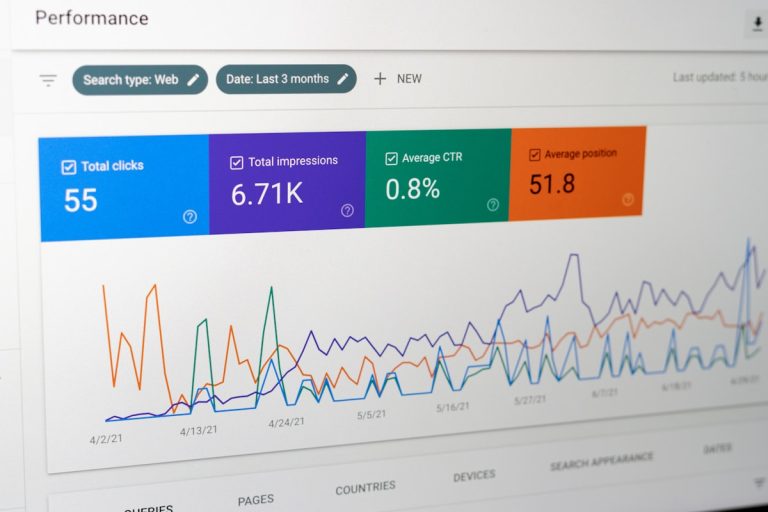
Open your search performance console. Look for URLs that receive thousands of impressions but maintain an abysmal click-through rate. In many cases, the page title and meta description signal the wrong keyword intent, causing searchers to scroll past.
2. Update Content Structures
- Informational Queries: Move answers higher up the page. Eliminate lengthy introductions and provide clear definitions right under your main headings.
- Commercial Queries: Add clear pros-and-cons lists, comparison matrices, and objective criteria.
- Transactional Queries: Strip out unnecessary blocks of text. Make calls-to-action visible above the fold and simplify form fields.
3. Connect Multi-Channel Journeys
A searcher who lands on an informational guide about keyword research should be gently guided to a commercial comparison piece, and ultimately to a product trial. Instead of treating each page as an isolated island, build contextual internal links that guide visitors along their natural buying cycle.
To expand this systematic approach beyond your main website, you can Master GEO Targeting with AI to capture regional buyers actively hunting for nearby services.
The Future of Intent-Driven Marketing
Keyword research is no longer about finding high-volume phrases and stuffing them into headings. Search algorithms evaluate contextual relevance, user satisfaction signals, and topical depth.
Success belongs to businesses that deliver clear, intent-matched answers faster than their competitors. By shifting away from fragmented tool suites and embracing automated, governed systems, marketing teams can scale their organic visibility while keeping costs under control.
Whether you run a fast-growing startup or manage marketing for an established enterprise, treating keyword intent as your foundational pillar will protect your organic traffic from algorithm updates and turn passive readers into loyal customers.
If you want to bypass manual research and see how end-to-end automation transforms your digital acquisition, experience AI CMO: Unified AI Marketing Automation for Digital Growth and take complete control of your search performance today.