Why Smart Marketers Now Automate Question Research for AI Search
Search behaviour has changed permanently. People no longer simply type disjointed keywords like “best running trainers London” into a blank box. Instead, they ask complex, nuanced queries directly into conversational engines like ChatGPT, Google AI Overviews, and Perplexity. To stay visible today, your business must actively research monitor optimize questions that your ideal buyers are asking every single hour. Trying to collect these queries by hand across Reddit, Quora, and search engine results pages is exhausting, slow, and impossible to scale. Modern growth requires an intelligent engine that maps real-world intent directly to your content pipeline.
When you switch from outdated manual scraping to unified systems, your brand stops chasing traffic and starts owning the conversation. By automating question discovery, tracking how large language models answer questions about your product, and updating your web pages with governed accuracy, you secure prime visibility across traditional SERPs and generative engines alike. You can explore how AI CMO delivers unified AI marketing automation for digital growth to bridge the gap between audience research and multi-channel execution without inflating agency costs.
The Death of Static Keyword Lists in Generative Engine Optimisation (GEO)
For nearly two decades, digital marketing playbooks followed a predictable script. You picked a dozen head terms, dropped them into a spreadsheet, and tracked average position weekly. That playbook is crumbling. Today, generative engines do not just retrieve blue links; they synthesize full answers by evaluating context, authority, and conversational nuance.
When prospective clients seek advice, they query in full sentences:
* “Which B2B marketing platform connects directly to our CMS with approval checks?”
* “How does local store visibility differ between Google Maps and Claude?”
* “What is the best alternative to bloated legacy agencies for a seed-stage startup?”
If your website only targets short keywords, generative models will skip your pages. They look for direct answers to specific operational dilemmas. To win citations inside generative summaries, you must continuously discover these prompts, inspect their answers, and update your site structure accordingly. You can discover how to check your brand’s AI visibility to see exactly where generative models currently mention or ignore your solutions.
How to Categorise Questions for Strategic Multi-Channel Impact
Not all user queries serve the same intent. Dumping every question into a giant FAQ block on your home page creates a messy user experience and dilutes semantic relevance. A professional strategy groups prompts into structured buckets so every answer lives in its natural habitat:
1. Foundational Concept Questions
These are “what is” and “how does it work” queries. Searchers want clarity, rapid definitions, and transparent workflows. These questions belong in clean glossary entries, pillar guides, and top-of-funnel educational resources.
2. High-Intent Commercial Prompts
These queries signal immediate buying intent: “How much does unified automation software cost?” or “Is there a direct integration for our existing tech stack?” These answers belong on your pricing pages, feature breakdowns, and transactional landing pages. If you run a regionally focused enterprise, you should combine these with a strategy to master GEO targeting with AI so local buyers find verified answers nearby.
3. Comparison and Competitive Research
When buyers evaluate options, they ask engines to compare alternatives. If you do not publish clear, honest comparisons that explain your strengths and limitations, your competitors or hallucinating bots will define your narrative for you.
4. Navigational and Product Mechanics
Questions like “Where do I configure webhooks?” or “How do I review scheduled content?” belong in technical documentation. Answering them publicly builds massive topical authority and feeds technical scrapers with reliable data.
The Manual Bottleneck: Why Traditional Tools Fall Short
Traditional SEO suites like Moz, Ahrefs, and SEMrush are great at providing raw keyword numbers. They show historical search volume, keyword difficulty scores, and related phrase suggestions. However, traditional toolkits suffer from a severe limitation: they are passive analytics dashboards.

Consider the everyday manual workflow:
1. An analyst exports hundreds of People Also Ask queries from Google.
2. They cross-reference forum threads on Reddit and Quora using custom scrapers.
3. They paste the messy list into a spreadsheet, manually tagging topics.
4. They brief a copywriter, wait two weeks for a draft, review it, and manually paste it into WordPress.
5. Nobody checks whether generative platforms like ChatGPT or Perplexity actually cite the new post.
This fragmented process causes massive delays. By the time your team publishes a guide, market interest has evolved. For a lean business or startup, paying thousands of pounds every month for four disconnected subscriptions alongside agency retainers is simply unsustainable. You can review our practical guide on how to manage multi-channel with aiCMO to understand how consolidated architectures remove these operational hurdles.
Continuous Automation: How to Research, Monitor, and Optimise Questions
To maintain sustainable organic dominance, your business must establish an automated, self-healing loop. Instead of treating content production as sporadic campaigns, think of it as a 24/7 operating system.
Step 1: Automated Discovery Across Live Surfaces
Rather than relying solely on static search databases updated once a month, automated systems continuously monitor real-time user surfaces. This includes live Google Autocomplete strings, People Also Ask boxes, industry subreddits, and generative query follow-ups. By catching emerging questions as they happen, your brand answers user problems before competitor tools even register the search volume.
To protect your team’s bandwidth while scaling content, you can start your SEO autopilot and let governed intelligence handle continuous optimization.
Step 2: Real-Time Generative Monitoring
Finding the question is only half the battle; you must know how artificial intelligence responds when prompted. Does ChatGPT recommend your solution when asked for the best software in your niche? Does Google’s AI Overview display out-of-date pricing? Monitoring generative output identifies gaps where synthetic engines hallucinate, misrepresent your service, or recommend a rival.
Step 3: Algorithmic Content Updates with Human Oversight
Once a knowledge gap appears, your system should draft targeted answers, structured schemas, and comprehensive comparison tables. But total hands-off publishing is dangerous; black-box automation frequently produces low-grade spam that search engines penalise. True full-stack platforms prepare ready-to-publish assets and present them for explicit human sign-off, maintaining complete brand safety.
To build a reliable workflow that lets you research monitor optimize questions through smart automation, your business needs verified data feeds working hand-in-hand with human editorial control.
Deploying Conversational Assistants: Operational Governance
Adopting artificial intelligence in your marketing team does not mean surrendering control to an unmonitored script. Forward-thinking companies rely on dedicated assistants that operate within clear guardrails.
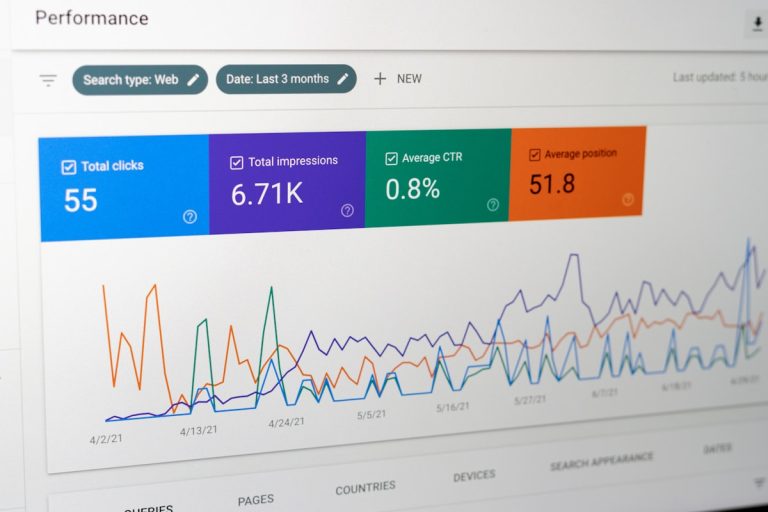
Within our ecosystem, teams deploy the Maggie AI Marketing Assistant. Rather than acting as a simple generic chat window, this assistant reads authorized workspace data, reviews your Google Search Console performance, tracks AI visibility, and constructs comprehensive marketing roadmaps.

Crucially, the Maggie AI Marketing Assistant runs on governed execution:
* Every draft requires your explicit verification before going live.
* Agent writes use signed confirmations, permission checks, idempotency, and detailed action logs.
* You can connect via the web interface or interact using supported coding-agent connections via Model Context Protocol (MCP).
This architecture bridges the chasm between high-level executive strategy and day-to-day tactical execution, ensuring you never spend your weekend formatting blog layouts or debugging meta tags again.
Structuring Content to Capture Featured Snippets and Generative Citations
Once your system discovers target questions, how should your content answer them? Generative engines and search algorithms reward clear, direct answers formatted for instant machine comprehension.
Use the “Inverted Pyramid” Method
Answer the core query in the very first sentence beneath your heading. Avoid fluffy preambles like “In today’s fast-paced digital world, many business owners wonder…” State the answer immediately. Follow that concise definition with nuanced details, operational steps, and concrete data points.
Implement Clean Heading Hierarchies
Never skip heading levels. Use H2 tags for primary themes and H3 tags for nested operational steps. Generative parsers scan headings to understand parent-child relationships between topics. If you run WordPress, you can streamline your technical publishing schedule using our guide on how to install and run the aiCMO WordPress Plugin beta.
Provide Visual Data Breakdowns
Search engines love structured lists, bullet points, and clean comparisons. When comparing options or outlining technical specifications, format the details clearly:
- Intent Focus: Informational vs Commercial vs Navigational
- Update Cadence: Automated weekly scans vs Manual monthly exports
- Distribution Footprint: Multi-channel synchronisation across web, social, and local directories
- Safety Protocols: Verified human sign-off rather than unmonitored auto-posting
If you are looking to expand outside of standard web search, you can boost local search rankings across regional directories to ensure your enterprise captures physical proximity leads.
Unifying Your Stack: Breaking Down the Tool Silos
The greatest waste of capital in modern marketing is tool fragmentation. A typical SME pays for an SEO rank tracker, a social media scheduler, a freelance copywriter, a local citation manager, and an external digital agency. Each piece operates in isolation, creating misaligned messaging and massive administrative overhead.
When you bring audience question discovery, generative engine optimization, local geographic visibility, and content production under a single roof, your cost-to-acquisition drops dramatically. You gain 24/7 visibility tracking that alerts you the instant an AI engine changes how it describes your products, giving you the power to update your content instantly.
If your growth has stalled under the weight of expensive retainers and sluggish agency turnarounds, it is time to upgrade your tech stack. You can automate your SEO with AI to eliminate operational drag, protect your working hours, and dominate generative search answers with verified authority.
Take command of your digital presence today. Begin your unified marketing journey with AI CMO and let autonomous intelligence build your search dominance while you focus on leading your business.