The Organic Traffic Shake-Up: Why Modern Marketing Demands AI Search Optimisation
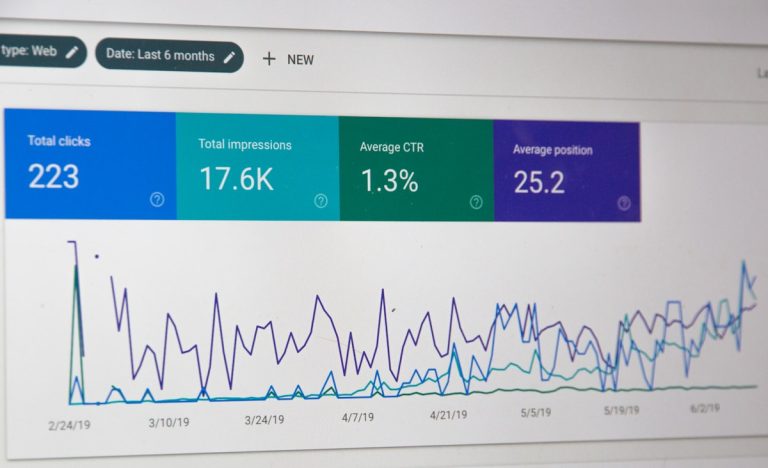
Have you looked at your search analytics lately and felt a twinge of panic? If your organic traffic numbers seem erratic, you are not imagining things. The entire landscape of digital discovery is undergoing a seismic shift. Search is no longer just a list of ten blue links on a page; it is a conversational engine where large language models summarise, cite, and recommend solutions directly to users. Surviving this shift requires a deliberate pivot towards comprehensive AI search optimisation, ensuring your brand gets referenced directly when customers ask tools like ChatGPT, Perplexity, and Google Gemini for recommendations.
Traditional agencies still pitch the same outdated playbooks: monthly retainers, delayed reports, and manual keyword tinkering that takes months to show incremental returns. Meanwhile, managing a disjointed stack of keyword tools, analytics dashboards, and content schedulers only drains your internal bandwidth. You do not need more bloated retainers or disconnected subscriptions. Forward-thinking teams are discovering how AI CMO: Unified AI Marketing Automation for Digital Growth replaces this operational chaos by running continuous, autonomous discovery campaigns that keep your business front and centre across every modern search interface.
The Shift from Blue Links to Generative Answers
For two decades, Search Engine Optimisation (SEO) meant cracking a predictable formula: find a keyword, check the search volume, drop it into an H1 tag, build some backlinks, and wait for Google to crawl the page.
That playbook is breaking down. Today, users do not want to click through five different websites to piece together an answer. They ask complex, nuanced questions, and generative engines provide direct answers. This shift has given rise to AI Engine Optimisation (AEO) and Generative Engine Optimisation (GEO).
What changes when conversational engines take over?
- Answers replace clicks: AI engines scrape and synthesise information, presenting a single, unified answer. If your business is not cited as a source or solution within that answer, you do not exist to that user.
- Semantic intent over keyword matching: Engines look at the broad context, entity relationships, and subject authority rather than raw keyword repetition.
- Direct citations become the new page-one rank: Getting recommended inside an AI response provides far higher conversion intent than standard organic search rankings ever did.
To win here, you must run ongoing audits and entity mapping continuously. Doing this by hand is practically impossible for a lean marketing team, which is why forward-looking businesses Automate Your SEO with AI to keep pace with algorithmic updates around the clock.
What Community Discussions Reveal About SEO Automation
Marketers across communities like HubSpot, Reddit, and various digital marketing forums are asking the same question: Can we realistically automate AI search optimisation without hiring a massive agency?
The sentiment across these threads highlights three major pain points:
- Agency opacity and high retainers: Traditional agencies charge thousands of pounds each month, yet their deliverables often consist of vague monthly PDFs and slow-moving changes that fail to adapt to rapid AI updates.
- Fragmented software stacks: The average marketing team juggles a tool for keyword discovery, another for backlink auditing, a third for content scheduling, and another for analytics. Nothing talks to each other, and teams spend more time moving data between tabs than executing strategy.
- The speed problem: Generative search engines update their models and web indexes rapidly. Relying on manual workflows means your strategy is always several steps behind the current search environment.
Marketing leaders in community forums agree on one core principle: manual execution cannot keep up with machine-speed indexing. Winning the future of search requires native automation that constantly analyses, structures, and executes content workflows on your behalf.
The Tool Sprawl Dilemma: Why Disconnected Platforms Fail
Let us talk about the software trap. You probably pay monthly subscriptions for tools like SEMrush, Ahrefs, or Moz. These platforms provide incredible data libraries. They show you search volume, backlink gaps, and competitive analyses.
Here is the catch: they are passive libraries. They tell you that you have a problem, but they do not fix it. They hand you raw data, leaving you to spend hours interpreting charts, briefing writers, formatting pages, and verifying schema markups.
Similarly, platforms like HubSpot offer strong inbound ecosystems, but they lack dedicated, real-time automation tailored specifically for generative search and local entity visibility.
When your marketing stack consists of five separate logins, execution grinds to a halt:
- You spend hours exporting and importing CSV files.
- Strategic insights get buried under routine maintenance tasks.
- Your marketing operations scale in cost, but not in output.
This tool sprawl creates operational fatigue. Small to medium enterprises, startups, and agile marketing teams do not need more dashboards; they need automated operational execution.
How AI CMO Automates Routine Marketing and AI Search Discovery
Instead of patching together separate tools or relying on an external team that works on business-hours delay, AI CMO introduces an autonomous approach to digital marketing operations.
It acts as a complete, hands-on automation engine that takes over technical auditing, content generation, and multi-channel marketing workflows. Instead of spending your week figuring out how conversational search engines view your brand, you can deploy AI search optimisation with AI CMO to build brand authority and entity relevance on complete autopilot.
AI CMO does not just surface recommendations; it handles the heavy lifting directly.
1. 24/7 SEO and Search Engine Optimisation
Generative engines evaluate context, topical depth, and technical clarity around the clock. AI CMO operates continuously, identifying content gaps, updating structured data, and deploying targeted material that establishes clear entity relationships. By tracking real-time visibility across conversational platforms, the system ensures your brand remains a trusted source for generative search models.
2. Local Relevance with GEO Targeting
Visibility is not merely global; it is intensely geographic. Generative search platforms frequently serve answers tailored to user location, intent, and regional authority. To capture local commercial queries, you can Master GEO Targeting with AI, allowing your brand to secure prominent placement across local generative queries and regional searches without micro-managing regional assets manually.
3. Unified, Multi-Channel Workflows
Instead of managing separate schedules for organic search, local discovery, and editorial updates, AI CMO brings these functions under a single, unified interface. You gain the capabilities of an entire marketing department without the overhead, letting you focus on high-level commercial strategy while the artificial intelligence manages the operational intricacies.
If manual content creation has stalled your organic progress, you can readily Start Your SEO Autopilot to maintain consistent publishing cycles and structural updates without increasing your headcount.
Comparing Your Options: Traditional Agency vs Tool Sprawl vs AI CMO
To understand the operational savings, let us look at how the traditional models compare to an integrated automation platform:
- Traditional Marketing Agency: High monthly fees, opaque deliverables, slow execution cycles, manual processes, and minimal focus on generative engine discovery.
- Fragmented Software Stack: High cumulative subscription costs, disjointed data, entirely manual execution, steep learning curves, and constant tool maintenance.
- AI CMO: Cost-effective subscription, unified operations, automated 24/7 execution, simplified user interface, and native optimisation for AI search and GEO targeting.
By replacing disconnected tools with a unified engine, businesses eliminate operational friction, reduce software spend, and achieve measurable improvements in organic visibility within weeks rather than months. If local footfall or regional clients drive your revenue, you should actively Enhance Your Local Visibility through structured automated workflows.
Practical Steps to Prepare Your Business for AI Search Engines
If you want your website to be cited by modern AI search engines, you must rethink your technical foundation. Here are actionable steps you can implement right away:
Focus on Entity Relationships
Generative models do not just look at individual keywords; they understand concepts, brands, products, and their relationships. Ensure your website clearly defines who you are, what you offer, and who you serve. Use clear, declarative statements on your core pages.
Implement Structured Schema Markup
AI crawlers rely on structured schema to interpret the context of your content without ambiguity. Ensure your pages use comprehensive schema markup for organisations, products, FAQs, and local businesses.
Answer User Questions Directly
Conversational search prioritises direct, authoritative answers. Format sections of your content using clear questions followed by concise, factual summaries. Once you provide the direct answer, unpack the nuance in subsequent paragraphs.
Maintain Continuous Output
Search algorithms favour active, accurate, and frequently updated websites. Rather than sporadic updates, maintain a regular publishing cadence. You can Boost Your Search Rankings Now by allowing automated systems to handle your routine publishing requirements, keeping your domain relevant across search indexes.
Build Genuine Subject Authority
Do not create superficial content covering hundreds of unrelated subjects. Pick your core business areas and create deeply informative resources that cover every angle of those topics. Generative engines reward comprehensive topical authority when deciding which domains to cite.
Unlocking Scalable Growth Without Agency Retainers
The digital marketing landscape will continue to evolve rapidly. The shift towards conversational answers, generative engines, and automated discovery is not a passing trend; it is the new baseline for online visibility. Businesses that cling to manual workflows and costly agencies risk fading from search results entirely.
Adopting an automated, data-driven approach allows you to compete with industry incumbents without matching their massive marketing budgets. By taking operational intricacies off your plate, modern automation empowers you to operate leaner, execute faster, and maintain continuous organic visibility.
Ready to take control of your search performance and replace fragmented tools with an intelligent, 24/7 marketing engine? Explore AI CMO: Unified AI Marketing Automation for Digital Growth today, and discover how automated discovery can transform your brand’s online presence.