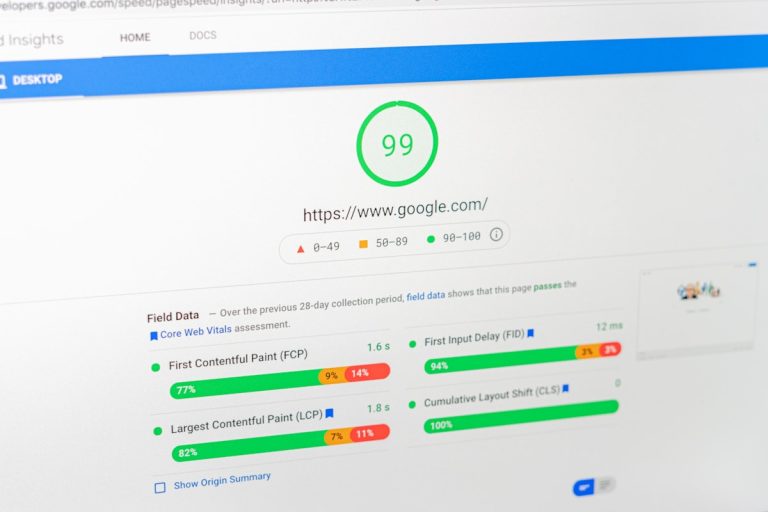
Why Passive Dashboards Are Dead in the Water
Let us be completely honest with each other. Most marketing teams spend half their week staring at colourful dashboards that explain, in painful detail, why their traffic dropped last Tuesday. Industry discussions like the Ahrefs fireside aug 2026 session get marketers buzzing about crawl stats, brand radars, and index reports. Knowing your site health score is 72% does not fix the problem. Traditional analytics platforms leave you holding a massive to-do list, an invoice from an expensive agency, and no actual hours left in the week to implement the fixes.
Real growth requires immediate, governed action rather than endless post-mortems. As demonstrated during the fireside aug 2026 conversations, the gap between gathering SEO data and executing actual work has become a major roadblock for modern businesses. That is why forward-thinking teams are turning to AI CMO: Unified AI Marketing Automation for Digital Growth to transform raw search intelligence into published optimisations without manual drag. Instead of getting stuck in an infinite cycle of audits, you can run a responsive system that diagnoses issues and prepares the solution for your stamp of approval.
The Shift from Data Observation to Autonomous SEO
For years, the gold standard of search engine optimisation looked like this: pay for a hefty subscription to a legacy tool, export five spreadsheets, hire a consultant to translate them, and wait six weeks for a developer to update your page titles. By the time those updates went live, the algorithm had moved on, your competitors had captured the SERP features, and your budget had evaporated.
Data tools are brilliant at telling you what went wrong yesterday. They are awful at fixing what needs to happen right now. The market is tired of paying for software that demands forty hours of manual labour just to realise a baseline return. This pain point was a hot topic around the fireside aug 2026 debates, where professionals openly questioned how many niche tools one team truly needs to manage.
Autonomous marketing does not mean handing your domain over to a reckless algorithm. True autonomy combines continuous machine monitoring with structured human oversight. You get an operating system that detects a keyword gap, writes the targeted content, formats the internal links, and tees up the finished draft for your team to review. If you want to stop writing tickets and start ranking, you can Automate Your SEO with AI and clear your operational backlog immediately.
Legacy Toolkits Versus Autonomous Engines
Legacy platforms built their reputations on massive web scrapers. We respect their data indices; they spent decades indexing backlinks and tracking keyword volumes. Yet, when you look at platforms like Moz, SEMrush, or Ahrefs, they still function primarily as diagnostic engines. They show you a graph of your declining visibility, then offer an export button so you can figure it out yourself.
At the other end of the spectrum, generic conversational AI tools create another headache: disconnected, hallucinated content that has zero grounding in your actual performance data or brand guidelines. You end up copying text between five different browser tabs, praying that your formatting does not break during the migration.
| Operational Feature | Traditional Legacy Suites | Generic AI Writing Tools | AI CMO Operating System |
|---|---|---|---|
| Primary Output | Graphs, alerts, and raw metrics | Disconnected text prompts | Production-ready marketing assets |
| Workflow Friction | Requires manual translation | High risk of hallucination | Verified brand context and safeguards |
| Execution Layer | None (requires human labor) | Copy-paste manual tasks | Governed, one-click execution |
| Search Coverage | Traditional organic SERPs | Generic generative answers | Unified Organic, Local, and GEO |
The difference lies entirely in the execution layer. As observed during the fireside aug 2026 panels, knowing that your competition outranks you for a high-intent commercial keyword does not help unless you can counter-program against it today. You can read our guide on how to onboard and manage your brand with aiCMO to see how straightforward this transition can be when your tools are natively aligned.
Tackling the Modern Visibility Challenge: Beyond Basic Organic Search
Search is no longer a simple list of ten blue links. If your digital strategy only targets classic web scrapers, you are missing half the modern consumer journey. Modern buyers ask natural-language questions inside large language models, query local business hubs via voice, and depend on conversational answers to make purchasing choices.
Local relevance has also shifted. Businesses targeting geographical sectors cannot afford separate regional campaigns managed in isolated silos. By aligning your regional footprint with intelligent automation, you can Master GEO Targeting with AI to capture neighbourhood demand without juggling twenty different spreadsheets.
To stay competitive, you must track whether your organisation gets cited when potential buyers ask conversational engines for vendor recommendations. Our team broke down the mechanics of this shift in our guide on how to check your brand’s AI visibility, highlighting why generative engine optimisation (GEO) is no longer an optional experiment.
If your platform treats traditional search, local queries, and modern AI discovery as separate disciplines, you are tripling your workload for diminished returns. The key is pulling every angle into a single system that executes across all visibility vectors simultaneously.
Inside the Core Features: Smarter Automation in Action
Let us look under the hood at how an autonomous framework handles daily optimisation tasks. Instead of jumping between fragmented utilities, modern teams manage their campaigns through a unified setup that cuts operational overhead to zero.
Continuous Content Optimisation and Refresh Cycles
Content decays quickly. A post written twelve months ago might have outdated data, broken internal anchors, or missing answers to newly popular customer search queries. Rather than requiring you to run a manual audit every quarter, autonomous marketing software reviews your historical assets against active search patterns. It identifies decaying URLs, drafts modernised sections, inserts fresh internal links, and serves the update on your desk ready to publish.
If you are looking to trim hours off your publishing process, you can explore the how to install and run the aiCMO WordPress Plugin beta tutorial to connect your content management system directly to your strategic pipeline.
Unified Cross-Channel Execution
Search visibility does not live in an isolated bubble. When you publish a decisive, authoritative piece of content, that insight should immediately fuel your social footprint, your buyer engagement campaigns, and your customer communications.
Reflecting on the challenges debated at the fireside aug 2026 presentations, marketers are exhausted by the daily copy-paste grind. When your strategy engine drafts an authoritative piece of content, it should also generate your professional network updates simultaneously. To remove this friction, modern operators rely on boost search rankings now by syncing deep search optimisation with real-time distribution across professional channels.
How Human-in-the-Loop Governance Protects Your Brand
The biggest fear most executives have regarding artificial intelligence is a loss of quality control. Nobody wants an uncontrolled script publishing unvetted claims to their public-facing corporate website. That fear is completely justified; black-box automation has created a tidal wave of bland, unhelpful web pages that search engines actively penalise.
Autonomous operations must be safe, transparent, and completely accountable. The correct framework uses signed confirmations, explicit permission checks, and detailed action logs:
- Every suggested change is clearly previewed in your dashboard before it touches your live site.
- Your editorial team maintains absolute authority over your tone, technical claims, and strategic focus.
- Built-in guardrails prevent accidental duplicate publications or broken URLs through strict idempotency checks.
- Clear action logs show exactly why a specific keyword update was proposed, linking the recommendation to actual market data.
This governance structure gives lean marketing teams the speed of a fifty-person agency while keeping total ownership in the hands of their internal staff. You skip the manual writing and formatting grind, but you never sacrifice quality, brand integrity, or strategic control.
Practical Steps to Transition to Autonomous Operations
Switching from passive analytics to active marketing automation does not require gutting your entire stack overnight. In fact, trying to change every business workflow at once usually leads to chaos. A staged implementation works best:
- Centralise Your Core Brand Guidelines: Feed your target audiences, business values, tone parameters, and primary offerings into your workspace so all future executions carry your genuine voice.
- Connect Your Production Endpoints: Hook up your CMS and primary channels to eliminate manual copying and formatting tasks.
- Automate the Routine Audits: Let the software monitor your site health, keyword changes, and technical errors quietly in the background.
- Deploy Assisted Content Workflows: Begin reviewing and approving pre-drafted content updates, observing how much administrative time your team saves each week.
- Expand into GEO and Multi-Channel Signals: Once your foundational pages are running smoothly, Enhance Your Local Visibility to capture intent across regional markets and conversational tools.
By replacing disjointed manual steps with unified execution, small to medium enterprises can compete directly with enterprise-level budgets. You no longer need an army of specialists just to keep your metadata fresh, your blogs updated, and your local citations accurate.
The Future of Growth Belongs to the Agile
The debates and product showcases of the fireside aug 2026 season proved that marketing teams are reaching their limit with complex, fragmented software suites. Businesses do not need more dashboards to monitor; they need work taken off their desks and executed with professional precision.
You can spend the next year exporting CSVs, attending webinars, and manually fixing title tags one page at a time. Alternatively, you can deploy a responsive operating system that detects opportunities, completes the heavy lifting, and lets you drive the business forward with clear strategic decisions.
If you are ready to leave chaotic toolkits behind and take complete control of your digital visibility, choose fireside aug 2026 to build a modern, scalable marketing machine that works for you every single day.