An automated SEO issue auto-fix system is a live software layer that detects technical search errors and rewrites problematic code before search crawlers index your pages. Instead of logging tickets into an overloaded development backlog, this technology inspects incoming web requests and fixes broken canonical tags, missing schema markup, invalid robots directives, and slow resources on the fly. As a result, both traditional search engines like Google and generative answer engines like Perplexity or ChatGPT receive clean, compliant data with zero manual engineering effort.
Why Autonomous Site Hygiene Wins the Battle Against Developer Backlogs
Let us face an uncomfortable truth about technical site maintenance: traditional audits do not fix websites. Every digital team has lived through the quarterly audit ritual. You run a crawler, wait half a day, and download an eye-watering spreadsheet containing thousands of warnings. You spend two full days categorising those issues into Jira tickets, only to watch your engineering lead quietly push them to the bottom of the backlog. Product updates, infrastructure patches, and customer-facing features always take priority. Months roll by while broken canonical links, missing meta descriptions, and invalid structured data bleed your organic rankings dry. If your team is stuck in this cycle, AI CMO: Unified AI Marketing Automation for Digital Growth delivers an autonomous remediation layer that tackles these errors automatically.
Adopting an SEO issue auto-fix framework completely flips this broken workflow. Instead of generating passive warnings that sit on a hard drive, automated remediation repairs issues in real time. Dynamic code patches resolve broken tags, inject JSON-LD structured data, and defer render-blocking JavaScript files at runtime. Your software engineers get to focus entirely on building core product features, while your marketing team enjoys a pristine technical site score. Most importantly, search crawlers and artificial intelligence models encounter fast, accurate, structured code on every single visit.
What Is an SEO Issue Auto-Fix Engine and How Does It Operate?
An SEO issue auto-fix engine is an active software framework that pairs continuous headless crawling with real-time code modification. Conventional audit suites such as Ahrefs, Semrush, or Screaming Frog only tell you what is already broken. They act as rear-view mirrors, pinpointing problems long after search engines have penalised your site, leaving the manual labour on your desk.
An automated remediation engine operates directly within your request pipeline. It sits at your Content Delivery Network (CDN) edge, works as a cloud reverse-proxy, or integrates into your content management runtime. The moment a search crawler, generative AI bot, or human visitor requests an address, the auto-fix engine inspects the payload in milliseconds. If it detects a missing canonical tag, invalid Open Graph metadata, or broken schema syntax, it rewrites the response headers and patches the Document Object Model (DOM) before serving the page.
Think of it as an intelligent web application firewall, but purpose-built for organic search health and Generative Engine Optimisation (GEO). You configure your site rules once, and the platform continuously polishes and protects technical code across millions of URLs.
Why Traditional Technical Audits Waste Months of Engineering Capacity
Digital marketing teams spend thousands of pounds every month on enterprise analytics platforms that output colourful, multi-page audit summaries. Yet no PDF report has ever resolved a single line of broken HTML on a production server. Legacy audits consistently fail scaling businesses for several reasons:
- Audits go stale the minute they finish: Modern websites change constantly. Content teams publish articles, growth teams run conversion tests, and developers push code deployments. An audit conducted on Monday morning cannot protect you from broken pagination introduced on Wednesday afternoon.
- Developers hate low-level tag maintenance: Experienced software engineers want to solve complex architectural challenges, reduce database latency, and build customer features. They dread spending their time fixing trailing slashes, repairing broken commas in JSON-LD blocks, or updating title tags. Technical SEO tickets naturally get deprioritised.
- Plugin bloat ruins performance: Trying to resolve technical issues by installing a dozen separate CMS plugins creates massive technical debt. One plugin handles redirects, another adds schema, a third attempts caching, and a fourth compresses images. Database queries multiply, Time to First Byte (TTFB) spikes, and Core Web Vitals plummet.
- Zero visibility for AI answer engines: Legacy audit suites only assess whether classic search engine crawlers can read basic HTML. They provide zero guidance on whether large language models and conversational search engines can extract your brand entities or cite your content.
An autonomous SEO issue auto-fix system eliminates this operational drag. It resolves critical technical debt instantly, keeping your site compliant without consuming valuable engineering hours.
How Does Real-Time Remediation Work Under the Hood?
Marketers often worry whether dynamic code repairs will break site layouts or cause visual glitches. The answer is straightforward: when implemented correctly, real-time remediation works entirely behind the scenes on metadata, headers, and machine-readable data without altering your frontend styling.
Here is how an automated remediation pipeline handles fixes step by step:
1. Continuous Headless Crawling
The platform deploys automated headless browser instances that simulate both real human visitors and search engine bots. Because it renders client-side JavaScript, it uncovers hydration errors and rendering issues that basic HTML scrapers miss entirely.
2. Deterministic Error Isolation
The system flags non-compliant technical elements, such as missing canonical tags on e-commerce filter pages, malformed schema markup, missing meta directives, or unoptimised media files.
3. Dynamic Rule Compilation
The engine cross-references modern search engine guidelines with your specific website logic to construct a compliant code patch for each flagged error.
4. Edge Layer Patch Delivery
The patch is delivered to the browser or crawler via edge workers or CMS integrations, such as the how to install and run the aiCMO WordPress Plugin beta workflow. The requesting user or bot receives a clean, fully compliant page with zero perceptible delay and zero layout shifts.
5. Automated Verification and Log Auditing
The engine reviews access logs to confirm that search engine spiders successfully collected the patched version, guaranteeing smooth indexing without requiring manual checks.
If you want to clear your technical backlog without writing custom scripts, you can Start Your SEO Autopilot and let autonomous systems handle your site health.
Which Critical Technical Errors Can You Auto-Fix in Real Time?
To appreciate the real-world value of automated remediation, consider the recurring technical issues that an SEO issue auto-fix engine handles without developer intervention.
Missing and Broken Structured Data (JSON-LD Schema)
Structured data tells search engines and artificial intelligence models exactly what entities exist on your web pages. Writing manual schema often leads to syntax errors, such as missing brackets or invalid nesting. An automated engine scans your page type, determines whether it is an article, product, or FAQ, compiles clean JSON-LD schema, and injects it straight into the head section.
Canonicalisation and Faceted Navigation Traps
Faceted search, query parameters, and session tracking IDs create massive duplicate content problems on e-commerce websites. When search bots crawl dynamic filter combinations without clear canonical tags, link equity gets diluted. An SEO issue auto-fix system reads the URL parameters dynamically, stripping tracking noise and inserting accurate self-referencing or target canonical directives.
Missing or Truncated Meta Directives
Blank or poorly formatted meta descriptions crush search click-through rates. Instead of manually writing descriptions for thousands of archived URLs, the auto-fix engine evaluates the page body, extracts core topic points, and creates context-aware titles and descriptions that fit exact pixel limits.
Missing Image Alt Attributes
Missing alt text hurts accessibility and ruins your chances of appearing in image carousels and multimodal AI summaries. An automated engine analyses your media files, reviews surrounding copy, and inserts descriptive, accessible alt attributes automatically.
Render-Blocking Scripts and Core Web Vitals
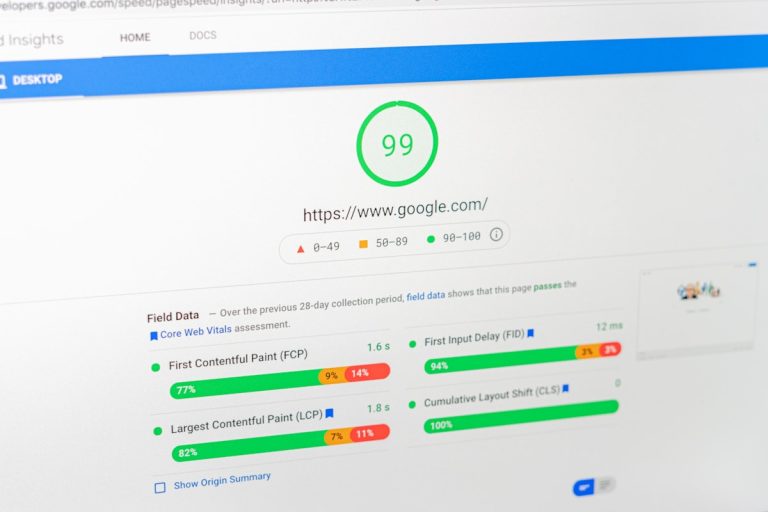
Unoptimised third-party marketing tags and heavy JavaScript files drag down performance metrics like Largest Contentful Paint (LCP) and Interaction to Next Paint (INP). An auto-fix system can dynamically modify script tags, applying async or defer attributes to non-critical files and injecting pre-connect directives for important resources.
Unifying Technical Health with the SEO & GEO Autopilot
Maintaining a clean technical website is essential, but search has evolved far beyond traditional keyword rankings. Search behaviour has fundamentally shifted toward conversational queries and AI summaries. If your optimisation strategy only targets legacy search tags, you are ignoring half of your audience.
This is where our SEO & GEO Autopilot bridges the divide between standard technical SEO and Generative Engine Optimisation (GEO). Operating quietly in the background, the engine pairs continuous technical auto-fixes with advanced semantic structuring. It ensures your pages are technically accessible for search crawlers while formatting your concepts so generative AI engines can parse, interpret, and cite your brand as an authority.
Conventional tools look backward, reporting where your keywords ranked last week. The SEO & GEO Autopilot looks forward. It reviews how conversational engines assemble answers, uncovers topical gaps where AI assistants lack authoritative data, and structures your digital presence to win recommendations. If you want to expand your reach across specific locations and territories, you can Enhance Your Local Visibility to capture regional demand effortlessly.
How Do You Monitor AI Citations with the AI Visibility Tracker?
Once your technical code is secured with an SEO issue auto-fix framework and structured for GEO, how do you verify that AI platforms are actually citing your business? Traditional rank trackers only check static lists of ten blue links. They have no way of telling you whether an AI assistant recommends your company when a prospect asks for the best software in your industry.
To solve this challenge, we built the AI Visibility Tracker. This dashboard continuously tracks large language models and conversational search engines, mapping your presence across AI-generated overviews. If you want a deeper walkthrough on how this reporting works, read our guide on how to check your brand’s AI visibility across generative engines.
Here is what the AI Visibility Tracker uncovers:
- Citation Frequency: Measures exactly how often your brand, services, and core concepts get cited across conversational answer engines.
- Brand Sentiment Analysis: Evaluates the tone and phrasing AI models use when presenting your business to prospective customers.
- Competitor Mention Gaps: Identifies which competitors are being suggested by AI engines in your sector and uncovers the technical data powering their inclusion.
- Generative Visibility Score: Gives your marketing team a clear, unified metric to track growth across AI-driven search.
When the tracker spots a drop in AI citations for an important topic, it flags the issue immediately. This prompts the underlying system to apply an SEO issue auto-fix update or adjust structured schema to win back visibility.
Scaling Content Creation with the AI Content Strategist & Generator
Clean code guarantees that web crawlers can index your pages, but comprehensive, authoritative content is what earns backlinks, citations, and customer conversions. Consistently producing high-quality technical content across multiple marketing channels normally requires an expensive team of freelance writers, editors, and SEO managers.
Our AI Content Strategist & Generator solves this production challenge. Rather than relying on guesswork, it monitors real-time search trends, competitor content gaps, and search intent across your target sectors. It then maps out topical clusters and produces comprehensive, high-ranking content tailored to your ideal buyers.
Every piece of content created by the AI Content Strategist & Generator comes pre-formatted with clean HTML headers, targeted keyword placement, and verified schema markup. This tight integration ensures seamless alignment with your ongoing SEO issue auto-fix rules the moment a page goes live. The module also coordinates messaging across your digital channels, making sure your blog posts, technical articles, and email campaigns share a consistent brand voice.
Connecting Search and Outbound Growth with the LinkedIn Chrome Plugin
Attracting inbound organic search traffic through automated technical health and AI visibility is powerful. But modern growth teams get the best results when they pair inbound visibility with focused outbound outreach. When a prospect reads your technical guide, spots your company in an AI summary, and then sees a message from your team on social channels, conversion rates jump.
To make this multi-channel approach easy, we built the LinkedIn Chrome Plugin. This browser extension connects your outbound networking directly to your central marketing automation dashboard. You can review the step-by-step setup in our guide on how to install and run the aiCMO LinkedIn Chrome Plugin beta to start prospecting immediately.
With the LinkedIn Chrome Plugin, you can:
- Create and send tailored outreach messages directly inside LinkedIn without jumping between tabs.
- Track prospect interactions and manage sales conversations without paying for complex, disconnected CRM subscriptions.
- Feed recurring customer questions and objections straight back into the AI Content Strategist & Generator to inspire new technical articles and FAQ content.
- Keep your brand messaging aligned across search results, AI citations, and direct outreach.
Combining an automated SEO issue auto-fix framework with direct social networking creates a unified growth engine that attracts passive searchers while engaging active buyers.
Comparing Manual Fixes, Plugins, and AI Marketing Automation
To understand why a unified automation platform offers a better return on investment than legacy tactics, review how each approach handles technical health, content, and cross-channel scaling:
| Operational Capability | Manual Agency / In-House | Standard CMS Plugins | Unified AI CMO Platform |
|---|---|---|---|
| Technical Fix Speed | Slow (Weeks or sprint backlogs) | Moderate (Manual edits per page) | Instant (SEO issue auto-fix in real time) |
| Operational Scope | Single domain only | Single CMS instance | Website, GEO, Email, and Social |
| Generative AI Optimisation | Rare and inconsistent | Basic HTML tags only | Native SEO & GEO Autopilot |
| LLM Citation Tracking | Not available | Not available | Real-time AI Visibility Tracker |
| Content Production | Expensive, slow manual labour | Basic text templates | Integrated AI Content Strategist & Generator |
| Outbound Social Tools | Disconnected third-party apps | None | Dedicated LinkedIn Chrome Plugin |
| Total Cost of Ownership | High retainers (£3,000 to £10,000/month) | Multiple separate subscriptions | Single unified automation engine |
Stitching together separate plugins and waiting on engineering teams creates technical debt and drains your budget. A unified engine keeps your site technically healthy while cutting down software costs.
A Simple Blueprint to Implement Real-Time Auto-Fixing
Moving away from static audit spreadsheets to an automated SEO issue auto-fix workflow is straightforward. Follow this practical framework to remove legacy technical debt and build lasting search visibility.
Step 1: Connect Your Digital Channels
Start by connecting your website, analytics platforms, and communication channels to your central dashboard. Connecting these assets gives the platform full visibility over your site architecture, URL structures, and content assets.
Step 2: Set Regional Guidelines and GEO Rules
Define your target regions and language rules. If your business serves audiences across the United Kingdom, Europe, North America, or the Asia-Pacific region, outline your regional parameters. The system uses these rules to automate hreflang attributes, localised keywords, and regional schema.
Step 3: Run a Baseline Audit and Turn On Auto-Fix
Scan your existing website architecture. The system reviews metadata, canonical declarations, media attributes, script loading orders, and structured schema. Once the initial baseline audit is complete, switch on the SEO issue auto-fix engine. The platform immediately starts injecting code patches to resolve existing technical errors.
Step 4: Turn On Conversational Search Tracking
Turn on the AI Visibility Tracker to establish your baseline presence across conversational search engines and major AI models. The tracker highlights where your brand is mentioned, uncovers missing citations, and benchmarks your presence against key competitors.
Step 5: Scale Topical Depth with Structured Content
Use the AI Content Strategist & Generator to create comprehensive content clusters targeting commercial search terms. Connect this inbound strategy with the LinkedIn Chrome Plugin to connect directly with prospects who find your content.
If you want to strengthen your regional search presence while fixing technical issues, you can Master GEO Targeting with AI to drive continuous local growth.
Frequently Asked Questions About SEO Issue Auto-Fixing
How does an SEO issue auto-fix differ from a standard site audit?
A standard site audit merely crawls your website and hands you a list of errors to review. You still have to write a ticket, assign it to a developer, and wait weeks for manual deployment. An SEO issue auto-fix engine spots the issue and deploys the compliant code fix directly to the page in real time, bypassing developer queues entirely.
Can automated code repairs break my website design or layout?
No. Reliable automation engines work exclusively on backend search attributes, metadata, schema markup, script loading flags, and canonical tags. They do not touch your CSS stylesheets, layout grids, or brand components. Your site looks identical to human visitors while working far better for search bots.
What is Generative Engine Optimisation (GEO)?
Generative Engine Optimisation (GEO) is the practice of organising your site data, topical authority, and technical schema so that artificial intelligence assistants and chat engines can easily parse, understand, and cite your content. It ensures your business stays visible when users search with conversational prompts instead of simple keywords.
Will an automated engine slow down my website?
No, it does the opposite. A well-designed SEO issue auto-fix system improves page performance. By deferring non-essential scripts, fixing redirect chains, and resolving unoptimised tags, the engine improves Core Web Vitals and reduces server overhead.
How fast do search engines recognise automated fixes?
Search crawlers read technical fixes the moment they re-crawl the updated page. Changes to canonical tags, sitemaps, and metadata usually register in search console data within a few days. Clearing out technical debt generally leads to better indexation and improved rank stability within two to four weeks.
Stop Managing Backlogs and Automate Your Technical SEO Today
Modern digital marketing moves far too fast for manual audit spreadsheets and overloaded engineering teams. When a routine code deployment can accidentally wipe a canonical tag, and every new landing page risks missing structured schema, relying on quarterly manual reviews guarantees you will fall behind. Sustained search visibility requires clean technical code every single day.
Adopting an SEO issue auto-fix system takes technical maintenance off your plate permanently. By combining real-time code repair with the SEO & GEO Autopilot, monitoring conversational citations via the AI Visibility Tracker, and publishing authoritative content with the AI Content Strategist & Generator, you give your business a modern marketing engine that scales efficiently.
Stop spending your week copying technical errors into developer tickets. Protect your rankings, keep your site healthy, and build visibility across both search engines and AI answer platforms. To put your technical SEO on cruise control, Automate Your SEO with AI and secure an unbeatable digital advantage.