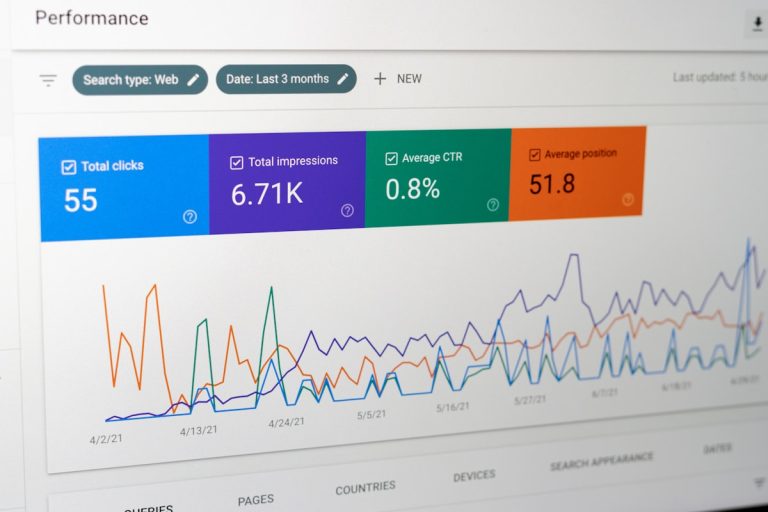
Marketing automation and AI scale organic traffic by executing technical website audits, on-page optimisations, and generative content workflows autonomously. Instead of relying on manual developer tickets or passive audit spreadsheets, modern systems detect ranking drops, inject structured schema, and publish search-optimised content directly into your CMS. This connected approach keeps your brand visible on traditional Google search while securing direct citations inside conversational platforms like ChatGPT, Perplexity, and Claude.
The Autonomous Blueprint: Scaling Growth Without Burnout
Running marketing for a growing business often feels like juggling flaming torches while riding a unicycle. You open your laptop on a Monday morning to find a 40-page technical audit from your agency, your rankings slipping on core transactional pages, and three overdue blog briefs sitting on your desk. Manual marketing simply cannot keep up with the pace of modern search engines or the rapid crawl speeds of conversational bots. When you deploy Marketing Automation and AI, you replace manual bottlenecks with an active growth engine that detects opportunities and deploys fixes around the clock. By unifying your digital acquisition through AI CMO: Unified AI Marketing Automation for Digital Growth, you convert passive diagnostic reports into live, revenue-generating technical execution.
This transition marks the end of fragmented tool stacks and slow communication chains. Traditional marketing automation used to mean simple email drip sequences and scheduled social media posts. Today, intelligent automation handles complex technical SEO, monitors generative visibility, updates structured JSON-LD data, and refines content directly inside your publishing platform. It frees small marketing teams and ambitious founders from repetitive operational maintenance, giving them the breathing room to focus on high-level commercial positioning and core commercial strategy.
Why Traditional SEO Workflows and Agency Retainers Fail
Let us be completely frank about how traditional digital marketing operates. Most businesses burn thousands of pounds every single month on external consultants and disjointed SaaS subscriptions. Yet, when you look at inbound pipeline numbers, growth remains sluggish. There are three big structural reasons why the old way of doing things is broken.
The Read-Only Audit Trap
You probably pay for at least two diagnostic crawlers right now. They deliver colourful graphs, crawling scores, and terrifying lists of broken links or missing meta descriptions. What do they actually fix? Not a single thing.
Diagnostic tools are read-only databases. They dump a massive list of chores onto your lap. If your team does not have 20 free engineering hours this sprint to rewrite canonical tags, adjust header hierarchies, and compress images, that costly audit data just gathers digital dust. You are left paying for the privilege of knowing your website has problems you lack the time to fix.
The £5,000 Monthly Retainer Black Hole
To solve the audit problem, companies hire agencies. You hand over a retainer between £3,000 and £6,000 every month. What happens next?
- Month one is spent doing “discovery” and onboarding calls.
- Month two produces a strategic deck explaining things you already know.
- Month three delivers four basic blog posts that sound like a student wrote them.
- Simple meta title updates take three weeks to pass through account managers, junior copywriters, and client approval rounds.
While your agency takes weeks to schedule a single review call, your competitors are shipping new pages and capturing search real estate. You can eliminate this friction entirely when you choose to Automate Your SEO with AI directly on your live website.
The Multi-Channel Silo Problem
In many marketing teams, the left hand has no idea what the right hand is doing. The content team targets keywords that have zero relevance to commercial sales conversations. The social media manager posts updates without supporting core search topics. The outbound sales team sends cold messages that do not reflect on-page messaging.
When your organic search, social presence, and outbound outreach run in isolated silos, you burn budget and confuse prospective buyers. Modern commercial growth requires a unified system where organic search signals inform content production, and social outreach reinforces your technical authority.
What Is Generative Engine Optimisation (GEO) and How Does It Work?
Search behaviour is going through the biggest structural shift in two decades. Prospective customers are no longer simply clicking through ten blue search links on a desktop screen. Instead, millions of buyers ask complex questions directly to large language models like ChatGPT, Claude, and Perplexity, or scan Google AI Overviews directly on the search results page.
Generative Engine Optimisation (GEO) is the practice of structuring, refining, and publishing your online content so that AI search engines extract, quote, and recommend your brand. If an enterprise buyer asks an AI tool to recommend the best marketing automation platforms for startups, your company needs to be named directly in that generated answer.
Winning citations in generative search engines requires a different editorial formula than ranking on legacy search engines:
- Direct Answer Placement: You must provide clear, definitive answers within the first two or three sentences under every major heading. Conversational bots extract self-contained paragraphs that solve problems without requiring additional context.
- Conversational Phrasing: Frame subheadings as natural-language questions rather than short keyword fragments. People ask AI complete questions, so your headers should mirror those exact queries.
- High Information Density: AI engines systematically ignore generic corporate fluff and empty marketing jargon. They prioritize content packed with clear steps, distinct technical terms, real operational differences, and structured comparisons.
- Explicit Entity Schema: Large language models depend on structured data to understand how entities connect. Using clean JSON-LD schema ensures that machines understand your organisation, its products, its geographic regions, and its industry focus.
If you want conversational assistants to quote your brand when prospective buyers search for industry solutions, you can Master GEO Targeting with AI to build a machine-readable digital footprint.
Four Core Pillars of an Autonomous Growth Engine
Building an automated growth system does not mean relying on an unpredictable, unmonitored script. It means setting up a unified software infrastructure that handles operational repetition while keeping you firmly in control of your strategy.
Here are the four essential pillars that transform sporadic organic traffic into a dependable acquisition channel:
1. SEO & GEO Autopilot
The SEO & GEO Autopilot acts as a dedicated technical specialist working on your site 24 hours a day, 7 days a week. Instead of waiting for a developer to clear an internal backlog, this engine constantly monitors indexing errors, updates outdated meta data, improves semantic heading structures, and writes JSON-LD schema directly into your pages. It handles both traditional search optimisations and conversational search formatting simultaneously, ensuring your website remains healthy without manual labour.
2. AI Visibility Tracker
Traditional rank trackers only tell you if your page sits at position three or position seven for a desktop search phrase. That metric only captures a fraction of modern buyer journeys. The AI Visibility Tracker measures your presence across conversational engines and large language models. It monitors how often your business is cited by AI assistants, tracks brand sentiment, and identifies competitor citation wins so you can target missing coverage.
3. AI Content Strategist & Generator
Writing search-optimised articles consistently is one of the hardest marketing tasks to maintain internally. The AI Content Strategist & Generator analyses commercial intent, competitor gaps, and active customer queries to build an intelligent editorial plan. It generates comprehensive, technically structured blog posts, social assets, and email newsletters matched to your brand voice, ensuring every published asset serves a commercial objective.
4. LinkedIn Chrome Plugin
Organic search authority delivers maximum return when connected directly to proactive outbound networking. The LinkedIn Chrome Plugin works inside your browser, helping you discover relevant buyers, draft personalised outreach messages, and maintain relationship records without tedious copy-pasting. It ensures your organic authority directly supports your outbound prospecting efforts.
How Marketing Automation and AI Work Together
To appreciate the impact of this operational model, consider how marketing automation and artificial intelligence collaborate in practice. They are two distinct technologies that produce exceptional results when combined.
| Function | Marketing Automation | Artificial Intelligence | The Combined Impact |
|---|---|---|---|
| Site Audits | Schedules recurring weekly crawls across all pages. | Evaluates code errors and prioritises commercial fixes. | Zero-touch technical site repairs pushed straight to your CMS. |
| Content Strategy | Monitors publishing calendars and schedules posts. | Analyzes search intent gaps and generative query patterns. | Timely, highly relevant content published consistently. |
| On-Page SEO | Applies structured metadata fields across thousands of URLs. | Drafts compelling, keyword-rich titles and schema descriptions. | Dynamic title and meta updates that adapt to click-through performance. |
| GEO Tracking | Collects weekly ranking positions automatically. | Measures citation context and sentiment across LLMs. | Real-time visibility data across ChatGPT, Claude, and Google. |
| Outbound Outreach | Sequences messages and manages pipeline stages. | Personalises message copy based on prospect profiles. | Highly targeted multi-channel outreach at scale. |
When these two disciplines work in sync, marketing ceases to be a scattered collection of manual tasks. It becomes a reliable, repeatable software process.
Step-by-Step Implementation: Deploying Automated Marketing on Your Site
You do not need an enterprise budget or a six-month software rollout to put Marketing Automation and AI into action. You can get an autonomous setup running across your commercial pages by following four practical steps.
Step 1: Connect Your CMS and Search Integrations
Begin by connecting your content management system (such as WordPress, Webflow, or Shopify) alongside your Google Search Console profile. Direct integrations allow your automation software to pull accurate crawl data, track organic queries, and push real-time code fixes directly to your pages without manual file uploads.
Step 2: Configure Core Keywords and Geographic Priorities
Next, define the specific commercial solutions, high-margin products, and geographic territories that matter most to your bottom line. Whether your target audience is located in the United Kingdom, across North America, or throughout Europe, defining these boundaries ensures the system tailors its technical metadata, schema tags, and regional copy to appeal to your exact target market. You can Enhance Your Local Visibility by allowing the platform to configure geo-specific content and structured local schema.
Step 3: Turn on Continuous On-Page Adjustments
Enable autonomous background maintenance for technical site health. Let the platform fix 404 broken links, clear redirect loops, refresh stale page titles, and deploy clean JSON-LD schema across your product pages. Because these granular updates happen in the background, your overall search health stays strong without pulling your technical team away from product development.
Step 4: Monitor Citations and Broaden Topic Clusters
Review your analytics dashboard each week to observe how technical updates translate into organic visits and conversational citations. Identify which topic themes are generating commercial interest, then use your content generation engine to build supporting clusters around those high-converting subjects.
Measuring Commercial ROI from Automated Marketing
Many external marketing agencies hide behind vanity metrics like overall impressions, total backlink tallies, or untargeted traffic spikes. When you implement an automated growth platform, evaluate its performance against tangible commercial numbers that impact your financial statements:
- High-Intent Organic Traffic: Measure the volume of qualified visitors landing on transactional service pages and core product features. Confirm that targeted content draws genuine buyers rather than casual browsers.
- Conversational AI Citation Rate: Track how frequently AI tools like Perplexity, ChatGPT, and Claude mention your brand name and services when answering industry-specific questions.
- Saved Team Hours: Calculate the internal labour saved by automating technical audits, schema updates, keyword research, and metadata writing. Reallocate those hours toward closing sales and improving client retention.
- Pipeline and Demo Enquiries: Monitor the volume of organic visitors who complete valuable actions, such as submitting an enquiry form, booking a software consultation, or completing an order.
If your software expenses fall while inbound pipeline numbers rise, your marketing shifts from a speculative cost centre to a dependable commercial asset.
Common Myths About Marketing Automation and AI
Despite the clear advantages of modern marketing technology, some commercial leaders remain hesitant to let software handle critical tasks. Let us address three common misconceptions.
Will Search Engines Penalise Automated and AI-Assisted Content?
Major search engines evaluate content based on its factual accuracy, clarity, and usefulness to the searcher, not on whether a human hand typed every single word. Effective automated systems do not generate low-grade spam. They apply structured markup, verify source data, and format copy cleanly to solve real reader problems, adhering completely to search quality guidelines.
Will Our Business Lose Its Distinct Brand Voice?
Automation does not mean giving up editorial oversight. A well-designed platform maintains total transparency over upcoming drafts, schema edits, and keyword adjustments. You define your tone parameters, review queued material, and set the ground rules for technical changes. The software handles tedious execution while your team retains editorial control.
Is Marketing Automation Only for Enterprise Budgets?
Historically, enterprise marketing suites required substantial upfront onboarding fees and lengthy annual agreements. Modern autonomous platforms have democratised this technology. Today, growing startups and mid-sized businesses can access enterprise-grade automation at a fraction of the traditional cost, levelling the playing field against corporate incumbents.
Take Charge of Your Organic Growth
Wrestling with technical site audits, paying expensive agency retainers, and juggling disconnected marketing tools drains your capital and stunts commercial momentum. Embracing Marketing Automation and AI lets you automate repetitive website maintenance, outperform competitors on standard search engines, and ensure modern conversational AI engines recommend your brand to ready buyers.
Stop losing valuable working hours to manual technical audits. You can Boost Your Search Rankings Now to run autonomous on-page optimisations, or expand your territory presence to Boost Local Search Rankings across every platform your buyers rely on.