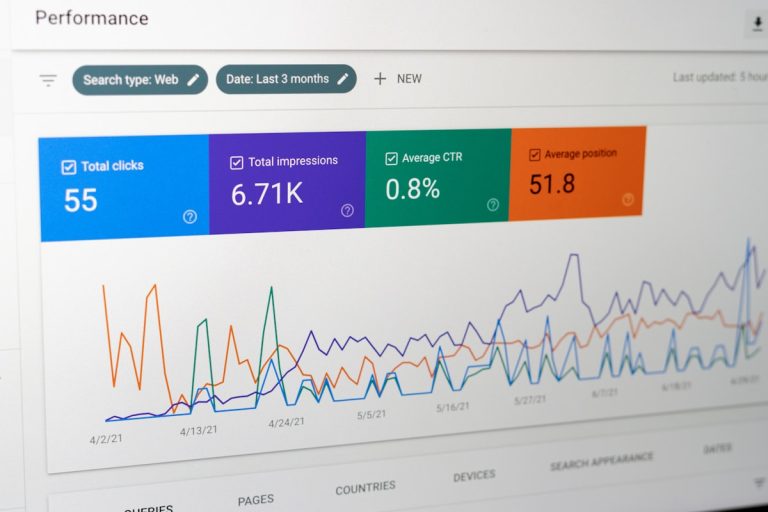
Why Traditional Content Performance Tracking Leaves You in the Dark
Most marketing teams treat search data like a rear-view mirror. You publish a blog post, launch a YouTube video, or share an Instagram Reel, and then you wait weeks to check your metrics. Traditional tools show you raw clicks and impressions, but they rarely tell you what to do next. When you rely solely on manual exports and delayed dashboards, you miss the exact moment a search query starts trending in your favour. Modern digital growth requires continuous observation, immediate technical adjustments, and a system that bridges the gap between raw figures and actual execution. To build a resilient pipeline, you should lean on AI CMO for smarter content performance tracking, giving your business unified analytics and real-time clarity without agency overhead.
Modern search engines no longer index only static web pages. They serve short-form video, social posts, community threads, and local business profiles in unified results. If your analytics workflow consists of logging into five different dashboards, copying numbers into spreadsheets, and guessing why impressions dropped, you are wasting valuable hours. By implementing an automated framework, you can observe visibility trends across channels, spot high-intent queries before competitors notice them, and make tactical edits to your copy instantly.
The Cracks in the Dashboard: Beyond Basic Search Consoles
Google Search Console and basic platform properties are incredible tools. They give you raw visibility data straight from the primary search engine. You can see when a TikTok tutorial catches search intent or whether your YouTube playlist ranks for an educational query.
Yet, raw data creates a new problem: analysis paralysis.
Here is what happens in the real world:
* A team member notices a sudden spike in impressions on an older guide.
* They download a CSV file of search terms.
* They spend two days sorting queries by country and device.
* By the time they update the article or film a follow-up video, the search trend has passed its peak.
Search engines reward speed and precision. When you monitor performance across multiple platforms, manual exports become a bottleneck. You end up managing spreadsheets instead of shipping improvements. You can learn more about managing diverse outputs by checking our guide on how to manage multi-channel with aiCMO.
Finding Hidden Query Gems Across Platforms
Search consoles now allow you to connect social and video profiles, revealing how audiences discover non-website content via search. This opens up massive opportunities if you know how to read the patterns.
When you examine query patterns, you generally see three distinct groups:
1. Rising Intent: Niche questions where impressions grow daily while average position hovers between 8 and 15. These pages need direct keyword integration to claim top positions.
2. Decaying Relevance: Old traffic drivers that are slowly slipping down the ranks. These require structural refreshes, refreshed schema, or updated statistics.
3. Emerging Formats: Queries where users prefer short-form vertical video over long-form written articles.
Consider a practical example. Say you run an e-commerce brand selling eco-friendly kitchenware. You release a 40-second video demonstrating how to care for cast iron pans. Within 24 hours, Google starts serving that clip for the query “how to season cast iron without smoke”.
If you track this manually, you might see the traffic bump three weeks later. If you run automated analytics, you spot the rising query immediately. You can instantly update the video title, create a dedicated website guide targeting that phrase, and capture the market before anyone else reacts. You can easily start your SEO autopilot to ensure those rising queries turn into immediate on-page technical updates.
Turning Multi-Channel Data into Everyday Workflows
Finding search data is easy. Doing something useful with it every single day is hard. The reason so many small businesses struggle is not a lack of data, but a lack of hands to execute the fixes.
When you manage several digital channels, every piece of content needs continuous maintenance:
| Content Format | Primary Search Metrics to Watch | Tactical Action Required |
|---|---|---|
| Blog Articles | Impressions vs Clicks, Query Decay | Add internal links, refresh headings, refine meta tags |
| YouTube Videos | Playlist CTR, Average View Duration | Update video descriptions, add search-informed timestamps |
| Social Video (Shorts/Reels) | 24-Hour Impressions, Mobile Queries | Re-author captions, align hashtags with high-volume search terms |
| Local Landing Pages | Local Pack Impressions, Device Splits | Adjust location keywords, update structured business details |
Connecting these tactical actions manually drains your team. You cannot write content, answer customer queries, and spend four hours a day cross-referencing URL performance. Automating this analytical feedback loop lets you operate with the speed of an enterprise marketing team without ballooning your payroll.
If your local performance needs a lift alongside your organic web traffic, you can boost local search rankings by letting automated algorithms pinpoint regional search disparities across devices.
Smarter Workflows: Bridging Strategy and Verified Execution
The traditional answer to this problem was hiring an expensive digital marketing agency. But agencies usually deliver static monthly PDF reports. By the time you read their recommendations, the data is thirty days old. You pay thousands of pounds each month for backward-looking commentary rather than real-time execution.
The modern alternative is an AI-driven marketing operating system. Instead of fragmented tools that generate isolated charts, an integrated platform tracks performance continuously and prepares the required work for you.
When you configure your channels inside unified marketing automation with AI CMO, your data stops sitting in passive silos. The platform analyses search query shifts, detects high-performing formats, and drafts the necessary copy changes or technical fixes. Rather than guessing which article needs updating, you receive pre-configured recommendations ready for your review.
To see how real businesses implement this strategy to secure continuous growth, explore our case studies highlighting rapid visibility improvements across various industries.
Tracking Real-Time Organic and AI Visibility
Content performance tracking today is no longer just about standard ten blue links. The digital landscape has evolved. Potential customers are searching via AI conversational engines, generative overviews, and localised voice queries.
If an AI search engine synthesises answers for your industry, does it cite your domain? Does it reference your brand as a trusted authority, or is it pointing directly to your competitors?
Monitoring this manually is almost impossible. You would need to type hundreds of prompts across multiple platforms daily to see where you stand. An automated engine monitors your footprint across both conventional organic search results and modern generative platforms. If you want to understand where your business ranks in AI-generated answers, take a look at how to check your brand’s AI visibility for a complete breakdown of the process.
Once you know where you stand, you can master GEO targeting with AI to ensure regional buyers find your products, whether they use standard mobile browsers or conversational assistants.
Actionable Steps to Improve Your Content Tracking Today
Ready to modernise your measurement framework? You can implement a tighter tracking loop immediately by following these principles:
- Unify Your Search Properties: Connect all relevant platform properties inside search console environments. Track your website, YouTube channel, and social profiles in parallel.
- Set 24-Hour Review Routines: When launching high-priority campaigns, look at the initial 24-hour search data. Identify unexpected search terms driving clicks, and feed those phrases directly into your promotional copy.
- Compare Formats Directly: Run comparison queries between your long-form URLs and short-form video assets. If short-form content outperforms written guides for a specific category, adjust your editorial calendar accordingly.
- Automate the Execution Layer: Stop relying on manual spreadsheets. Choose tools that translate data points into actionable drafts, technical schema fixes, and ready-to-publish content.
Keeping your search engine footprint accurate across hundreds of pages requires continuous technical hygiene. You can easily automate your SEO with AI to keep meta descriptions, structured data, and keyword alignments fresh without manual coding.
Take Control of Your Content Performance
Tracking your content performance should not feel like an administrative chore. When you have the right systems in place, your analytics act as a growth engine, continuously identifying new customer queries, flagging decaying pages, and showing you exactly where to focus your creative energy.
You do not need an inflated agency contract or a disjointed stack of ten different marketing subscriptions to achieve sustainable organic growth. By combining automated tracking with controlled AI execution, you can maintain continuous visibility across search engines, conversational interfaces, and social channels with complete transparency.
Put an end to guesswork and passive reporting. Transform your content performance tracking with AI CMO today, connect your digital channels, and build an automated marketing engine that scales your business efficiently.