Why Most Spreadsheets Die: The Reality of Modern Search
Let us be completely honest with each other. Traditional search strategy documents are where good intentions go to gather digital dust. You spend weeks building a massive spreadsheet, meticulously colour-coding tabs for keyword research, technical audits, and content gaps. You hand it over to your team or external contractors, feeling proud. Then real life happens. Client deadlines bite, development sprints fill up with product bug fixes, and your beautiful plan sits forgotten. If you want sustainable organic growth today, you cannot rely on static spreadsheets; you need an active, living seo roadmap that bridges high-level planning directly with hands-on technical execution.
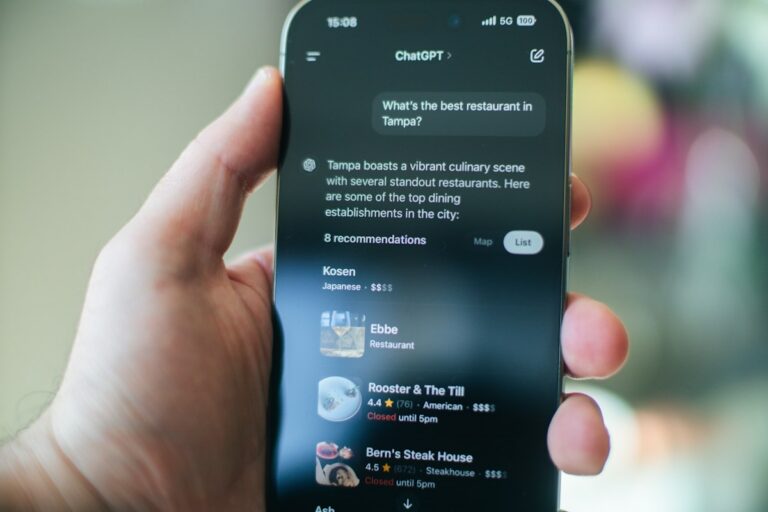
Building search traffic has fundamentally changed over the past twelve months. We are no longer just optimising for classic ten blue links on Google. Today, Generative Engine Optimisation (GEO) matters just as much. AI answer engines, chat interfaces, and generative summaries actively scrape, summarise, and recommend businesses based on authority, clarity, and real-time technical health. Trying to juggle traditional ranking factors alongside generative AI visibility using fragmented tools like SEMrush, Moz, or manual tracking docs is an uphill battle for small and medium enterprises. You end up wasting hours copying data between dashboards instead of driving revenue.
The Problem with Old-School Manual Roadmaps
Traditional toolkits provide endless charts and analytics. Platforms like SEMrush or Ahrefs are brilliant at showing you what is broken, where your backlinks trail behind, and which queries your rivals target. But there is a glaring catch: they do not fix anything for you.
They give you diagnostic data, not execution.
Once you download your site audit report, you face an intimidating mountain of manual labour:
- Exporting CSVs filled with meta description errors and broken links.
- Writing endless creative briefs for copywriters who might miss your brand voice.
- Begging web developers to implement basic schema markups and canonical tags.
- Tracking whether algorithm updates wiped out your hard work three months later.
For startups and lean marketing teams, this creates an operational bottleneck. You either burn your budget hiring expensive agencies who run on opaque retainer models, or you juggle six distinct subscriptions that do not talk to each other. Manual planning without continuous execution is simply wasted energy.
To overcome this, you can learn how to onboard and manage your brand with aiCMO to align your goals with practical execution right from day one.
Understanding the Shift: SEO Meets Generative Engine Optimisation (GEO)
Traditional search optimisation focuses heavily on crawling, indexing, keyword density, and backlink authority. GEO builds directly on top of this foundation, but changes the end game. Generative search engines do not just list web pages; they read content, synthesise ideas, extract facts, and generate conversational answers.
If your brand is not structured properly for language models to ingest, you become completely invisible in generative overviews.
A modern search strategy requires two distinct engines working in tandem:
1. The Classical Technical Foundation
Your website must remain lightning-fast, mobile-friendly, and free from indexation errors. Clean semantic HTML, structured data schemas, and logical internal linking are the baseline requirements. Without them, neither Googlebot nor modern AI crawlers can parse your architecture.
2. Generative Relevance and Entity Positioning
Generative engines prioritise topical authority, consensus, and clear informational hierarchy. They seek clear answers to complex user problems. If you want to dominate modern search results, you must master GEO targeting with AI so generative platforms cite your business as a primary recommendation.
Phase 1: The Automated Audit and Technical Cleanup
Every reliable strategy starts with a diagnostic baseline. However, instead of spending days clicking through multiple software modules, an intelligent marketing operating system should instantly surface critical blockers.
First, identify high-friction errors that prevent crawling:
- Canonical tag conflicts and broken internal redirect chains.
- Missing, duplicate, or unoptimised meta titles and descriptions.
- Slow server response times and uncompressed image assets.
- Unstructured business details that confuse local and generative search engines.
Traditional workflows require an SEO specialist to spot these issues and create tickets for an engineer. An automated approach eliminates this middle step. By deploying governed automation, basic schema markup and on-page technical fixes can be drafted, verified, and pushed directly to your CMS under your explicit supervision.
Phase 2: Autonomous Keyword Clustering and Content Strategy
Forget compiling lists of isolated search phrases on a blank canvas. Today, search engines look for semantic topical depth. If you want to rank for high-intent business terms, you must prove you understand the entire thematic cluster around that subject.
To set up your content strategy without spending weeks in spreadsheet limbo:
- Find the Gaps: Identify terms your competitors rank for that you completely lack.
- Group by Intent: Categorise queries into informational, commercial, and transactional clusters.
- Map Existing Assets: Review your current traffic using your analytics tools to see which posts merely need a refresh rather than writing from scratch.
Modern workflows let you automate this repetitive heavy lifting. You can turn your strategy into reality and boost your search rankings now by deploying autonomous agents that analyse live search engine results, draft targeted content outlines, and present them for your sign-off.
If you run a standard website setup, reading up on how to install and run the aiCMO WordPress Plugin beta will show you how straightforward it is to connect your site directly to an automated marketing engine.
Phase 3: Content Production with Human-in-the-Loop Governance
One major reason businesses hesitate to use artificial intelligence for organic growth is fear of low-grade, generic output. We have all seen the damage caused by unvetted, black-box text generators that publish unhelpful nonsense. It ruins brand credibility and attracts search penalties.
The solution is not avoiding automation, but implementing strict governance. True full-stack marketing systems bridge the gap between strategy and execution through transparent, human-in-the-loop workflows:
- Strategic Research: The AI engine analyses authorized workspace data and top-ranking competitors.
- Drafting: The system prepares brand-consistent articles, meta tags, and internal link suggestions.
- Explicit Authorisation: You review every draft. Nothing goes live without signed confirmation and permission checks.
- Idempotent Publishing: Changes are published safely through your content platform with complete action logs.
This allows you to scale production without ever losing control of your brand voice.
Phase 4: Local Search and GEO Implementation
For service businesses and regional enterprises, local discovery is everything. Yet managing citations across dozens of directories while keeping opening hours, addresses, and local landing pages consistent is tedious work.
Generative platforms prioritise location data heavily when answering conversational questions like: “Who provides the most reliable commercial plumbing repair in North London?”
If your local entities are not aligned across the web, your business simply will not be featured in that generated response. You must enhance your local visibility across map packs and conversational search tools by automating your schema updates, local directory syncs, and geographic landing page customisations.
To see how real-world businesses tackle this, discover how to manage multi-channel with aiCMO to keep your local, web, and social touchpoints completely aligned.
Phase 5: Continuous Tracking and Real-Time Pivots
The biggest flaw in the old six-month manual plan is that it assumes search algorithms remain frozen in time. They do not. Search engines roll out core updates, competitors release new resources, and user search queries shift overnight.
A static roadmap fails to respond. A dynamic, automated operating system tracks performance 24/7.
Instead of running manual rank trackers once a month, continuous monitoring alerts you to performance dips the moment they happen. You can immediately identify whether you lost ground due to a technical bug, content decay, or an aggressive competitor campaign.
By adopting a unified marketing operating system, you can build an agile seo roadmap that updates automatically, keeping your brand visible across both classical search and emerging AI discovery channels.
Bringing It All Together: The Unified Marketing Engine
Small business owners and marketing directors should not have to spend their days playing software administrator. Choosing between hiring an agency that charges thousands in monthly fees or wasting your weekend stitching together point tools is a false dilemma.
Modern AI marketing systems manage the operational complexities:
* They crawl your site to identify technical issues.
* They analyse search intent to map out high-impact topics.
* They draft structured, authoritative copy aligned with your brand guidelines.
* They monitor visibility across both traditional SERPs and generative AI answer engines.
All of this happens through a conversational, intuitive interface with full permission controls. You stay focused on high-level strategy, customer acquisition, and product development, while your intelligent assistant handles the execution.
It is time to throw out the dusty spreadsheets and take charge of your organic visibility. Take the first step today to automate your SEO with AI and discover how effortless multi-channel digital growth can be with an intelligent, fully automated seo roadmap built for the future of search.