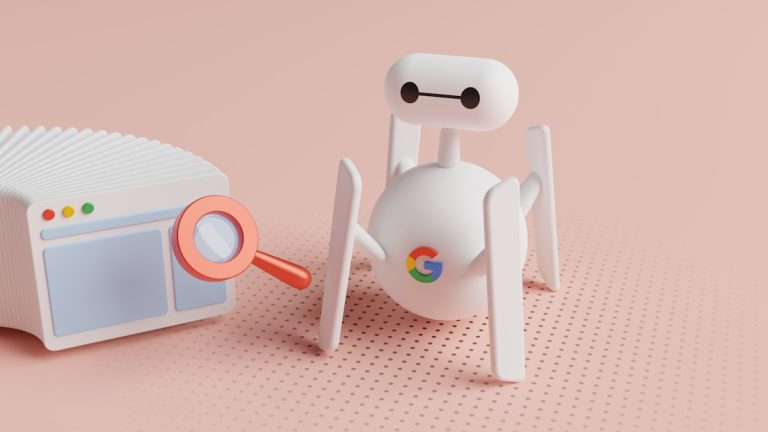
The Evolution of Search Engine Optimisation: Why Manual Workflows Are Broken
If you have spent any time managing a modern digital marketing stack, you already know the painful truth. Manual search engine optimisation is exhausting, fragmented, and increasingly inefficient. Marketing teams waste dozens of hours every single week jumping between keyword tools, spreadsheets, internal linking sheets, and content management systems. You hire specialist agencies, pay exorbitant monthly retainers, and wait months just to see minor movements in organic traffic. In today’s fast-moving digital landscape, relying on manual SEO task automation workarounds or disjointed tools simply cannot keep up with changing search algorithms and generative engines.
The reality is simple: modern growth requires continuous, intelligent execution rather than slow manual updates. Forward-thinking marketing leaders are shifting away from traditional agency workflows towards unified artificial intelligence platforms. By consolidating multi-channel execution, generative engine optimisation, and continuous keyword monitoring into one seamless engine, businesses can scale their online visibility effortlessly. If you want to eliminate fragmented toolkits and scale your organic reach instantly, AI CMO: Unified AI Marketing Automation for Digital Growth provides a hands-on, end-to-end platform designed to deliver measurable results in weeks.
The Problem with Traditional Manual SEO Workflows
Let us look at how traditional search engine optimisation actually works inside most companies.
First, you run a site audit using an expensive enterprise tool. You get a list of two hundred technical errors. Then you open a spreadsheet to map out keywords. Next, you pass those keywords to a freelance writer, wait two weeks for a draft, and manually add internal links and schema tags. Finally, you publish the piece, pray that Google notices, and manually track rankings a month later.
Sound familiar? It is a slow, manual assembly line.
1. Fragmented Tool Chains Eat Your Budget
Most marketing teams use at least five different SaaS platforms just to manage organic search:
* An analytics platform for traffic tracking.
* A keyword research tool for intent mapping.
* A technical crawler for site audits.
* A backlink monitor for off-page tracking.
* A content editor for on-page optimization.
Each tool costs money, requires separate logins, and keeps your data trapped in silos. You end up spending more time managing software subscriptions and exporting CSV files than actually executing high-level growth strategies.
2. Manual Execution Creates Operational Bottlenecks
Even when you hire talented specialists, human operational speed is inherently limited. Writing schema markup by hand, updating internal link structures across hundreds of blog posts, and analyzing competitor search intent takes hours of repetitive labour.
When your team spends 80 percent of their working week doing repetitive admin, strategic thinking gets pushed to the back burner. That is why so many small to medium enterprises struggle to build momentum.
3. Agencies Are Costly and Opaque
Outsourcing to external agencies used to be the default choice for growing brands. However, traditional agencies often come with high overheads, slow turnarounds, and vague monthly reporting. You pay thousands of pounds a month for a retainer, only to receive static PDF reports that do not explain what actual work was executed.
To break free from this bottleneck, savvy teams are adopting Automate Your SEO with AI to handle repetitive workflows in real time without agency markups.
The Shift to AI CMO Automation: Continuous, Intelligent Execution
So what changes when you move from manual management to automated AI marketing leadership?
Instead of treating search optimization as a series of isolated, periodic checks, an AI CMO platform operates continuously. It treats organic visibility as a live, dynamic system that needs round-the-clock monitoring, content creation, and technical tuning.
From Static Keywords to Generative Search Engine Optimisation (GEO)
Search is no longer limited to standard search engine result pages. Today, users ask questions directly to Large Language Models (LLMs) and conversational search engines like ChatGPT, Perplexity, and Gemini.
Traditional keyword stuffing does not work in an AI-first world. You need Generative Engine Optimisation (GEO). This means structuring your content so that AI models understand your brand authority, cite your content as an authority, and surface your solutions in direct answers.
AI CMO platforms continuously evaluate how conversational engines crawl and evaluate your website. They structure structured data, build topical authority clusters, and format content into citable assets that conversational agents love to read.
To ensure your brand gets recommended by modern AI search models, you can Master GEO Targeting with AI and build local and global search dominance effortlessly.
Eliminating Repetitive Tasks with Real-Time Intelligence
Consider two essential tasks that usually swallow up an SEO specialist’s week: schema markup creation and internal linking architecture.
- Schema Markup Automation: Schema tells search engines exactly what your content means. Doing this manually for every service page, article, or product listing requires writing JSON-LD code without making mistakes. An automated system creates and deploys validated schema markup instantly across every page.
- Smart Internal Linking: Internal links pass authority across your site. Manually checking old posts to insert contextual links to new articles takes hours. AI systems scan your site architecture automatically, identify relevant semantic anchors, and recommend or insert contextual links in seconds.
When these routine technical tasks are handled by intelligent engines, your team frees up energy to focus on product messaging, customer discovery, and high-level growth partnerships.
If you are ready to streamline your content creation and technical workflows, Boost Your Search Rankings Now with continuous automated optimisation.
Comparing Solutions: Traditional Tools vs. AI CMO Engine
To see how an AI-driven marketing automation engine changes the game, let us compare traditional approaches with a fully automated AI CMO solution.
| Feature / Workflow | Traditional SEO Tools (SEMrush, Ahrefs, Moz) | Traditional Agencies | Unified AI CMO Engine |
|---|---|---|---|
| Primary Focus | Data analytics and manual reporting | Handled service execution | Hands-on automated execution & strategy |
| Operational Overhead | Requires manual team effort to execute | High retainers & slow agency communication | Hands-free, continuous 24/7 automation |
| GEO & AI Search | Limited or non-existent AI search tracking | Inconsistent adoption of AI workflows | Native Generative Engine Optimisation |
| Tool Fragmentation | High (requires separate tools for content & audit) | Variable (agency uses fragmented tools) | Low (all-in-one unified system) |
| Time to Results | Months of manual setup and drafting | Months of waiting for campaign rollouts | Measurable traffic & visibility boosts in weeks |
Traditional platforms offer incredible data, but they expect you to do all the heavy lifting yourself. They tell you what is wrong, but leave you to fix it. An AI CMO platform bridges the gap by detecting opportunities and executing solutions automatically.
Midway through your growth journey, adopting AI CMO: Unified AI Marketing Automation for Digital Growth ensures that your business transitions smoothly from manual data gathering to hands-on, high-impact growth.
How Modern Marketers Maximise Growth with AI CMO
Transitioning to AI marketing automation does not mean removing human intelligence from the loop. In fact, the most successful brands use AI to amplify their strategic taste and creative vision.
Here is a practical roadmap for getting the most out of your AI CMO platform:
1. Define Clear Strategic Boundaries
AI is an incredible engine, but it needs clear strategic direction. Set clear brand guidelines, define your audience pain points, and outline key product USPs. When you feed your AI platform explicit parameters regarding intent, tone of voice, and competitive positioning, the automated outputs align perfectly with your brand identity.
2. Leverage Continuous GEO and Local Visibility
If your business targets specific geographic regions across the UK or Europe, local search relevance is critical. Use automated GEO targeting to tailor content clusters, local landing pages, and service descriptions to regional search intent without spending weeks writing duplicate copy manually.
To expand your reach across regional markets seamlessly, Enhance Your Local Visibility with targeted AI automation.
3. Maintain Human Oversight for Final Judgement
Automation handles the heavy technical lifting, keyword expansion, and initial draft generation. However, final quality assurance, nuanced brand positioning, and unique story elements should always involve strategic human oversight. Think of the AI engine as your indefatigable junior team, while you act as the Editor-in-Chief making the strategic calls.
4. Build Integrated Multi-Channel Ecosystems
SEO does not live in an isolated box. Organic search traffic feeds your lead generation funnels, informs your paid advertising messaging, and supports your content marketing strategies. By consolidating your organic workflows into a single platform, you eliminate data disconnects and build a unified marketing machine that drives consistent revenue growth.
The Future of Organic Search Belongs to Automated Growth
The search landscape is changing faster than ever before. Search engines are transforming into answer engines, consumer behaviour is evolving towards conversational queries, and traditional manual SEO practices are becoming obsolete.
Businesses that cling to manual workflows, fragmented toolkits, and expensive agency retainers risk falling behind competitors who can produce, optimise, and index high-quality content in real time.
By taking advantage of modern SEO task automation, your business can scale organic search visibility, lower customer acquisition costs, and focus on high-level business expansion. You do not need a massive internal marketing team or a six-figure agency budget to dominate organic search. You simply need the right intelligent automation platform working for you 24 hours a day, 7 days a week.
Are you ready to take control of your organic growth, eliminate manual operational headaches, and dominate both traditional and AI search results? Start Your SEO Autopilot with AI CMO today and transform your marketing operations for good.