Why Modern Texting Outpaces Crowded Inboxes: The Direct Channel Advantage
Picture this: your email inbox is drowning under three hundred unread promotional pitches, half of which are sitting untouched in a spam folder. Now, check your mobile phone. When your pocket buzzes with a direct text message, how long do you wait before checking the screen? If you are like most people, you look immediately. This exact reaction explains why SMS marketing has surged to the front of modern customer communication, delivering direct access to audiences who simply ignore conventional adverts. When you learn how to balance quick direct alerts with a unified digital strategy, you turn brief mobile pings into reliable revenue. For growing businesses seeking a cohesive cross-channel engine, adopting AI CMO: Unified AI Marketing Automation for Digital Growth provides the operational clarity needed to combine direct messaging with total brand visibility.
Text message campaigns produce remarkable engagement rates, frequently seeing 98% open rates with the vast majority read within three minutes. Yet treating text outreach as an isolated tactic is a missed opportunity. To build durable growth, companies need their mobile outreach to connect directly with search engine discovery, local presence, and automated web publishing. Rather than toggling between disconnected marketing tools, modern teams use intelligent systems to unite their workflows. If you want to understand how all these touchpoints align into an autonomous system, check out our guide on how to manage multi-channel with aiCMO to see the mechanics in action.
What is SMS Marketing and How Does It Actually Work?
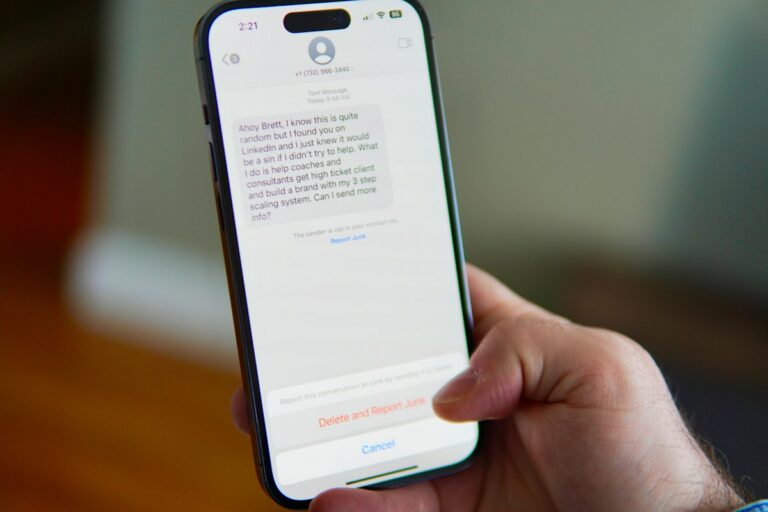
At its simplest, Short Message Service (SMS) marketing involves sending permission-based commercial text messages straight to consumer handsets. These communications range from time-sensitive promotional codes and product launches to transactional updates like order confirmations, appointment alerts, and customer review requests.
Unlike social media feeds dictated by shifting algorithms, text outreach offers a direct, uncluttered pipeline to your audience. The operational flow generally looks like this:
- Subscriber Opt-In: A customer explicitly consents to receive text messages via website forms, checkout prompts, or keyword signups (for example, texting “JOIN” to a shortcode). Under UK regulations, clear consent is non-negotiable.
- Platform Management: Your business organises these contacts into segmented lists depending on buying history, location, or customer lifecycle stage.
- Automated Campaign Triggers: Messages fire automatically based on schedules or customer actions, such as an abandoned basket or an upcoming service booking.
- Action and Conversion: The subscriber receives a concise message, usually under 160 characters, with a single clear instruction or link.
When executed properly, text campaigns bypass digital noise. But you cannot bombard contacts with indiscriminate messages; doing so guarantees high unsubscribe rates. Modern outreach demands strategic coordination.
Why Customers Prefer Texting Over Traditional Channels
Most buyers prefer interacting with businesses through direct messaging rather than answering unscheduled phone calls. Phone calls interrupt focus; emails get buried. A text message sits quietly on the lock screen until the user decides to glance at it. It is convenient, brief, and easily actionable.
For local service firms and fast-growing businesses, this channel bridges the gap between digital awareness and confirmed bookings. When combined with smart geographic discovery, your outreach hits prospects at the exact moment they need your services. Teams looking to dominate nearby postcodes often choose to Master GEO Targeting with AI to guarantee their business surfaces on map queries right before a promotional message lands.
Consider the operational differences between primary marketing channels:
- Text Outreach: Boasts a 98% open rate, instant delivery, short copy format, and ultra-high engagement for urgent notices.
- Email Marketing: Averages a 20% open rate, longer lead times, complex layout requirements, and high deliverability hurdles.
- Organic Search: Generates steady passive discovery, delivers long-term compounding authority, and captures active buyer intent.
True marketing momentum happens when these channels work together instead of competing in silos.
Core Categories of Text Message Campaigns
Businesses use text messaging across several operational touchpoints:
1. Flash Promotions and Seasonal Deals
These messages create immediate urgency. Flash sales, bank holiday discounts, or exclusive subscriber access work well because recipients review their messages almost instantly.
2. Appointment Reminders and Operational Notices
Missed bookings cost service firms thousands of pounds annually. Automated appointment alerts and delivery notifications reduce no-shows dramatically without consuming manual administrative hours.
3. Local Review Generation
Securing consistent Google reviews is critical for local discovery. A short text message containing a review link sent an hour after a completed service yields significantly higher review completion rates than cold email follow-ups.
4. Transactional Updates and Secure Authorisations
Order receipts, delivery tracking links, and customer support queries benefit from the instant clarity of text messages.
To manage these moving parts alongside local search requirements, many companies rely on dedicated tools like our GEO Visibility platform to maintain uniform local reputation across every digital footprint.
The Problem with Point Solutions: Why Kenect and Legacy SMS Tools Fall Short
Traditional messaging services like Kenect, along with popular point tools like Mailchimp or simple SMS gateways, offer straightforward text delivery. They let you send a message, request a review, and collect replies. That sounds adequate on paper, but in practice, it creates significant administrative friction for small to medium enterprises.
Specialised text platforms operate in an isolated vacuum. They do not know what your organic search strategy is doing. They do not write keyword-optimised landing pages to receive campaign traffic. They cannot spot emerging search trends in your region or automatically generate complementary social updates. As a result, internal marketing teams end up juggling dozens of disjointed dashboards: one for texting, another for search rank tracking, a third for social media, and an agency retainer for search engine management.
This fragmented setup burns through operational budgets and forces business owners to manually patch together disjointed data streams. An SMS message sent without a fast, search-optimised destination page wastes click-throughs. Similarly, driving paid mobile traffic to pages that search engines ignore inflates acquisition costs. You do not just need a tool that sends texts; you need an integrated operating system where mobile engagement, local presence, and technical web discovery support one another automatically.
To eliminate this tool bloat and unify your cross-channel execution, you can Automate Your SEO with AI while synchronising your audience messaging under one roof.
Unifying Text Outreach with Autonomous AI Marketing
Instead of hiring costly agencies to manage separate platforms, forward-thinking brands use centralised artificial intelligence to direct their entire marketing ecosystem. This is where an intelligent operating framework transforms your business.
By integrating direct messaging with continuous web optimisation, you ensure that every campaign reinforces your overall digital footprint. When your business prepares a seasonal campaign, the system can simultaneously coordinate your on-page content, adjust your regional keyword focus, and prepare timely direct messages for your opted-in subscribers.
For organisations exploring this integrated approach, learning how to onboard & manage your brand with aiCMO demonstrates how quickly an autonomous agent can interpret your brand voice, connect to your digital channels, and build unified execution roadmaps with complete user oversight.
Rather than wondering whether your direct messaging aligns with your broader visibility strategy, unified automation platforms analyse performance data across every channel simultaneously, adjusting your publishing cadence and outreach timings based on real user conversions.
If your objective is to simplify multi-channel execution, you can test how automated systems run by choosing to Enhance Your Local Visibility across maps and organic channels at once.
Practical Best Practices for High-Converting Text Campaigns
To achieve steady revenue from your text campaigns without provoking customer complaints, follow these straightforward principles:
- Secure Express Consent: Always collect explicit opt-ins. Make sure contacts understand what kinds of messages they will receive and how frequently.
- Keep Copy Short and Clear: State the benefit within the first sentence. State clearly who you are, what value you offer, and what action the recipient should take.
- Include a Working Unsubscribe Path: Every message should include a simple opt-out option, such as “Reply STOP to cancel.” Respecting unsubscribes protects your sender reputation.
- Time Your Sends Sensibly: Do not ping handsets early in the morning or late at night. Respect local business hours to maintain brand respect.
- Direct Users to Fast, Mobile-Optimised Pages: Ensure any web page linked within your text loads instantly on mobile networks and delivers the exact offer mentioned in the message.
When you balance concise copy with transparent consent, text messaging becomes one of the highest-converting assets in your business toolkit.
Building a Unified Growth Engine for the Future
Direct messaging works exceptionally well, but it cannot carry an entire business alone. Sustainable market leadership requires visibility at every stage of the buyer journey, from the moment a prospect searches for a local solution on Google to the follow-up text that confirms their booking.
Relying on traditional marketing agencies often results in slow turnarounds, confusing monthly reports, and high overheads. Meanwhile, juggling individual point tools for text outreach, search analysis, and social updates wastes valuable team hours on repetitive admin tasks.
Unified AI marketing systems resolve these challenges. By combining 24/7 continuous search optimisation, geographic targeting, and governed multi-channel execution into a single, accessible platform, small and medium enterprises can finally outpace larger competitors. You gain the power of an entire digital department while retaining total control over brand approvals and campaign strategies.
Ready to streamline your marketing operations, slash agency expenses, and build a cohesive system that drives measurable growth? Discover how you can Boost Your Search Rankings Now and scale your customer engagement effortlessly with an intelligent, full-stack marketing partner.