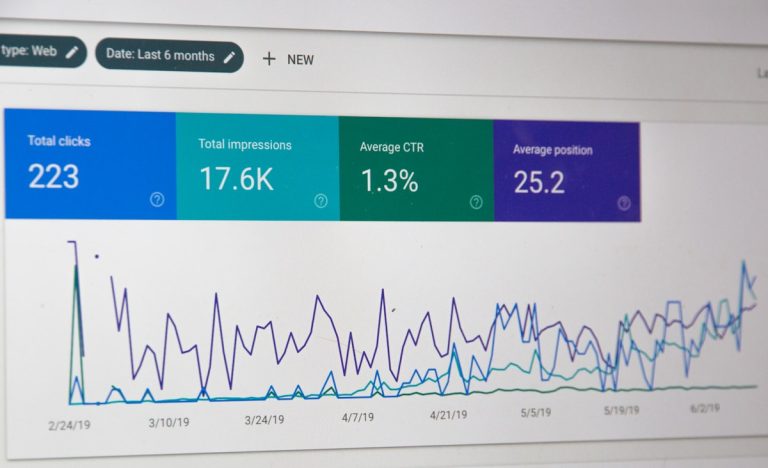
Understanding Real-Time Campaign Optimisation and Tracking
Digital marketing moves too fast for static monthly reports. If you are waiting until the end of the month to review your ad spend, organic search rankings, or conversion rates, you are essentially driving forward while looking exclusively in your rear-view mirror. Real-time campaign optimisation is the practice of monitoring live user interactions and immediately adjusting your content, keywords, and marketing channels as data comes in. By pairing live user behavior with automated tools, businesses can eliminate wasted ad spend, pivot content strategies instantly, and deliver targeted experiences right when intent is highest. Implementing effective real-time campaign tracking allows small to medium enterprises and marketing teams to convert incoming traffic into loyal customers without relying on bloated agency retainer fees.
At its core, this modern approach shifts digital growth from reactive guesswork to proactive execution. Instead of treating campaigns as rigid projects with set start and end dates, successful brands view their strategy as a continuous engine. When live signals show a spike in local search queries or a sudden drop in landing page engagement, automated systems can adjust bid strategy, tweak copy, and refine local search target areas on the fly. In this comprehensive guide, we will break down the mechanics of live tracking, explain why traditional metrics delay business growth, and show how AI-driven platforms allow lean teams to maintain an active 24/7 presence across organic search, generative engine optimisation (GEO), and multi-channel campaigns.
Why Traditional Marketing Analytics Fall Short
For years, digital marketing relied on historical reporting. Marketers would set up a campaign, run it for four weeks, download a CSV file full of analytics, and assemble a presentation for stakeholders. While historical data tells you what happened, it never tells you what is happening right now.
Here is why relying purely on legacy analytics holds your business back:
- Delayed Decision-Making: By the time a weekly or monthly performance report flags an underperforming keyword or failing conversion funnel, you have already spent hundreds or thousands of pounds on inefficient marketing.
- Fragmented Tooling Stack: Small teams often juggle six different dashboards, one for SEO analytics, another for pay-per-click spend, a third for email marketing, and separate ones for social metrics. Connecting these dots manually takes hours.
- Agency Friction: Working with traditional marketing agencies frequently involves endless feedback loops, scheduled strategy calls, and delayed implementation. When search trends shift, agencies often take weeks to adapt.
- Missed Conversion Windows: Modern buyer intent operates on a window of minutes, not days. If a prospective customer searches for a hyper-local solution or asks a query on an AI search engine, you need to rank immediately to catch that demand.
When you switch to automated SEO Automation, your marketing platform actively monitors changes, enabling immediate execution rather than continuous waiting.
The Core Pillars of Real-Time Campaign Tracking
To successfully run real-time marketing, you need a system that captures data instantly, understands context, and acts without manual delay. Let us examine the technical and operational pillars that make this work.
1. Behavioral Intent Data
Live tracking relies on capturing real-time user triggers. This includes direct website interactions, search query shifts, click-through fluctuations, and local engagement signals. When a user lands on your page, their behavior reveals their immediate intention.
2. Historical Profile Integration
Live actions are far more powerful when matched with historical context. A first-time visitor searching for software requires different content than a returning user who has read three product pages. Real-time tools evaluate live behavior against existing profiles to trigger the exact right message.
3. Automated Orchestration
Data without swift action is useless. Automated orchestration takes live metrics and applies predefined rules or AI logic to adjust messaging, publish updated content, or reallocate resources seamlessly across channels.
4. Continuous Optimization Loop
Rather than waiting for manual intervention, automated platforms use machine learning to test variations, track performance spikes, and continuously re-optimise titles, meta tags, and content structure.
To maintain visibility across local and regional markets, lean marketing teams use GEO Visibility tactics to stay ahead of local search changes dynamically.
Combining Instant Intent with Historical Data
A common mistake in digital marketing is treating live intent as isolated events. If a prospective customer abandons a signup form or views a pricing page, sending a generic follow-up email hours later feels detached.
However, when real-time campaign tracking combines immediate triggers with established profile data, your marketing becomes genuinely helpful rather than intrusive.
| Capability | Traditional Static Analytics | Real-Time Campaign Optimisation |
|---|---|---|
| Data Refresh Rate | Weekly or monthly batch updates | Instant, continuous live streaming |
| Execution Speed | Manual updates taking days or weeks | Instant automated adjustments |
| Workflow Efficiency | Multiple siloed dashboards | Unified AI marketing platform |
| Search Engine Adaptation | Slow adjustments to algorithm updates | 24/7 automated SEO & GEO updates |
| Cost Overhead | High retainer costs and tool fees | Scalable automated cost structure |
By integrating real-time insights across your digital channels, you ensure that every search query, local lookup, and site visit receives a relevant response. Marketers can easily explore how AI CMO: Unified AI Marketing Automation for Digital Growth streamlines this entire tracking and execution process into a simple, hands-on user interface.
SEO and GEO: Continuous 24/7 Growth
Search is changing rapidly. Beyond traditional search engines like Google, consumers increasingly use AI-driven engines and generative answers to find answers, compare solutions, and make purchasing decisions. This shift has given rise to Generative Engine Optimisation (GEO) alongside conventional SEO.
Maintaining organic rankings across both search engines and generative AI answers requires constant monitoring. Keywords change search volume overnight, competitor content updates constantly, and user search patterns evolve.
Here is how continuous 24/7 automation keeps your business visible:
- Keyword Drift Monitoring: Automated tracking flags when your primary target terms drop in rankings or when fresh, high-intent keywords emerge in your niche.
- Instant Content Adjustments: Instead of waiting for a quarterly blog audit, automated systems draft and update targeted content dynamically to address emerging search queries.
- Hyper-Local GEO Targeting: For businesses targeting specific geographic areas, real-time GEO tracking monitors local map packs, regional search intent, and location-specific queries to ensure your brand shows up exactly where local buyers search.
To automate these technical search updates across all your landing pages, you can easily implement SEO Automation to keep your search presence fully optimized around the clock.
How AI CMO Automates Digital Execution
For small to medium businesses, startups, and overworked growth teams, managing real-time data across multiple channels can feel overwhelming. You do not have time to code custom data pipelines or spend forty hours a week staring at analytics platforms.
This is precisely where AI CMO transforms your marketing operation. Designed as a unified digital marketing automation solution, AI CMO eliminates reliance on expensive traditional agencies and fragmented tool stacks.
Unified Channel Management
Instead of paying for separate tools for SEO analysis, local rank tracking, and multi-channel content strategy, AI CMO brings everything together under one simplified platform.
Hands-On AI Strategy
AI CMO does not just show you charts; it handles operational complexities for you. The platform acts as your digital marketing unit, running continuous background tasks, evaluating search performance, generating targeted content strategies, and optimizing your organic reach 24 hours a day, 7 days a week.
Rapid Measurable Results
Because the AI system constantly monitors and adapts to market demand, businesses routinely experience significant increases in web traffic and brand visibility within weeks of deployment. You save thousands on agency fees while retaining complete control over your marketing direction.
Marketers looking to improve their local and regional footprint can rely on GEO Visibility features to maintain dominant search positioning without manual stress.
Step-by-Step Strategy for Modern Teams
Transitioning your marketing from slow legacy reporting to active campaign tracking does not require a massive enterprise budget. Follow these practical steps to modernise your growth workflow:
Step 1: Consolidate Your Tooling
Audit your current martech stack. Eliminate duplicate subscriptions and replace single-purpose dashboards with a unified AI automation platform.
Step 2: Establish Real-Time Metrics
Define the key intent signals that directly drive revenue for your business. Focus on rank changes, high-intent search traffic, local query volume, and active conversion rates rather than vanity impression counts.
Step 3: Automate Routine Content Operations
Let artificial intelligence handle repetitive operational tasks. Automate initial keyword research, structural updates, and local search alignment so your internal team can focus on overarching business strategy, product development, and customer experience.
Step 4: Monitor and Refine
Review your unified dashboard regularly to monitor continuous improvements. Use real-time feedback loops to refine target audience parameters and test new market segments instantly.
To explore how easy it is to replace fragmented software and expensive agency retainers with a unified solution, check out AI CMO: Unified AI Marketing Automation for Digital Growth today.
Conclusion
The era of waiting weeks to judge digital campaign success is officially over. In today’s digital landscape, modern growth relies on immediate intent, real-time analytics, and dynamic content execution.
By replacing slow, agency-led workflows with continuous, AI-driven automation, businesses can maintain 24/7 search visibility across both traditional SEO and generative engine search (GEO). Platforms like AI CMO make enterprise-grade marketing execution accessible, cost-effective, and straightforward for lean marketing teams and growing enterprises. Stop managing disjointed tools and start scaling your organic traffic with proactive real-time campaign tracking today.