The Evolution of Growth: Why Adaptive Marketing Automation Changes Everything
Let us be completely honest for a moment. Digital marketing in 2025 feels like running a marathon while juggling flaming torches. You have to publish fresh content, track search rankings, adjust local maps, write email sequences, and manage social media channels. Traditional marketing automation tools promised to make life easier, but mostly they just gave us complex rule-based builders that take weeks to configure. That is precisely why modern growth leaders are turning towards adaptive marketing automation to streamline operations and scale results effortlessly.
Instead of spending tens of thousands of pounds every month on fragmented software or bloated traditional agencies, smart teams now deploy intelligent platforms that learn on the fly. The market is shifting from rigid workflows to self-optimising systems that continuously adapt to real-time search trends and user behaviour. If you want to scale your business without increasing headcount, mastering an AI-driven, multi-channel strategy is no longer optional. It is your ultimate unfair advantage.
What Is AI Marketing Automation (And How Does It Differ From Legacy Software)?
Legacy marketing tools are completely static. You tell the software: “If a user clicks Link A, wait three days and send Email B.” If the user’s intent changes on day two, the tool does not care. It blindly pushes forward with the predefined script.
AI marketing automation flips this outdated model on its head. By incorporating machine learning, generative intelligence, and predictive analytics, modern systems react dynamically to real-time data.
Standard Automation vs. AI-Powered Orchestration
- Standard Automation: Follows rigid, manual if/then triggers. It requires constant human updates whenever search engine algorithms or user habits shift.
- AI Marketing Automation: Evaluates content performance continuously. It self-corrects search engine strategies, updates copy, and adjusts targeting without human intervention.
When you deploy a unified system like AI CMO, the software does not just wait for instructions. It analyses search engine rankings, local generative engine optimization (GEO), and content engagement around the clock. If you want to put your search engine performance on auto-pilot, you can automate your SEO with AI to maintain top positions effortlessly.
The Broken Agency Model vs. The Unified AI Interface
Why do small-to-medium enterprises and fast-growing startups struggle with digital marketing? It usually comes down to three major friction points:
- Astronomical Agency Retainers: Agencies charge £5,000 to £15,000 per month for basic content delivery and slow reporting cycles.
- Software Fragmentation: You end up paying separate subscriptions for keyword tracking, social scheduling, local maps rank tracking, and copy creation.
- Delayed Results: Traditional strategies take six to nine months just to reveal whether a campaign hypothesis actually worked.
Project management tools like Jira or Trello offer neat kanban boards to track your work, but tracking a task is not the same as executing it. You do not need another ticket system to remind you that your search engine optimization is behind schedule. You need a platform that executes the work for you.
AI CMO eliminates the middleman. By combining SEO, GEO, and multi-channel content generation into a single hands-on interface, you cut operational costs by up to 80% while accelerating execution speed.
Core Pillars of a Modern Multi-Channel AI Strategy
To dominate modern search engines and digital touchpoints, your automation strategy must cover three core pillars simultaneously.

1. 24/7 Organic Search Engine Optimisation (SEO)
Search engines no longer reward thin, keyword-stuffed articles written once a month. Search algorithms expect comprehensive, fresh, and deeply authoritative content.
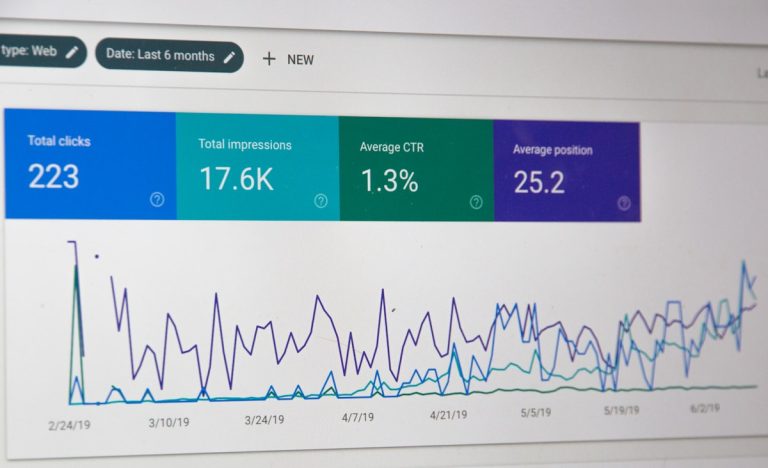
Automating your search workflow means your platform continually scans for content gaps, evaluates competitors, and publishes long-form targeted pieces. You can test this today when you start your SEO autopilot and watch your organic impression trends climb.
2. Generative Engine Optimisation (GEO) and Local Search
Search is moving beyond standard web links. Users now ask AI search assistants for immediate local recommendations and precise answers. If your business is not optimized for Generative Engine Optimisation (GEO), you are invisible to a massive segment of modern buyers.
Adaptive systems ensure your business listings, structured data, and location-aware content match exact user context. You can easily enhance your local visibility across maps and conversational search engines alike.
3. Multi-Channel Content Scaling
Creating one great blog post is fine, but what about transforming those insights into multi-channel campaigns? AI-driven platforms automatically repurpose core themes into structured multi-channel strategies, tailoring messaging for different buyer personas without losing your brand voice.
How to Implement Adaptive Marketing Automation in 4 Steps
Transitioning to an AI-first marketing workflow does not require a complete overhaul of your existing business structure. Here is how to roll it out smoothly.
Step 1: Define Your Core Metrics
Ignore vanity numbers like raw page views. Focus on actionable growth indicators:
* Cost per acquisition (CPA)
* Organic conversion rate
* Keyword rankings in target regions
* Hours saved on operational execution
Step 2: Consolidate Your Tool Stack
Stop switching between five different software dashboards. Bring your strategy, content generation, search tracking, and analytics under one roof. If you are looking for an all-in-one platform to scale your business, check out AI CMO: unified AI marketing automation for digital growth and streamline your tech stack immediately.
Step 3: Set Guardrails for Brand Consistency
AI tools perform best when guided by clear baseline parameters. Define your target audience, tone of voice, key value propositions, and primary industry vertical. This ensures that every automated piece of content sounds authentically like your team.
Step 4: Monitor Real-Time Performance and Scale
Once your automated workflows are active, review performance metrics weekly. Look at keyword movements and engagement scores. The AI uses this data to refine future outputs, creating a virtuous feedback loop of continuous improvement.
Comparing Your Options: Software vs. Agencies vs. AI CMO
Let us break down how different marketing approaches compare across critical business factors:
| Feature / Capability | Traditional Agencies | Fragmented Tools (Moz, HubSpot) | AI CMO Platform |
|---|---|---|---|
| Monthly Overhead | High (£5,000+) | Medium-High (Multiple subs) | Low & Scalable |
| Execution Speed | Slow (Weeks) | Manual (Requires full team) | Instant (Real-time) |
| SEO & GEO Integration | Hit or miss | Analytics only, no execution | Fully Automated 24/7 |
| Operational Complexity | High management effort | Heavy context switching | Single intuitive dashboard |
While platforms like SEMrush or Ahrefs give you great raw data, they leave the heavy lifting of execution entirely on your shoulders. You still have to write, edit, format, and publish everything yourself.
On the flip side, comprehensive marketing platforms like HubSpot offer robust lead tracking, but they lack dedicated, continuous SEO and GEO auto-pilot functionality. AI CMO bridges this exact gap by taking raw data and converting it straight into live, fully optimized content and search strategies.
If you want to dominate local market queries and AI search summaries, you can master GEO targeting with AI to lock down your target demographic ahead of competitors.
The Verdict: Focus on Strategy, Let AI Handle the Rest
The purpose of modern technology is not to replace human creativity. It is to free human minds from mindless, repetitive execution.
You should be spending your working hours on product vision, high-level business partnerships, and strategic positioning. You should not be spending late nights tweaking keyword densities or formatting blog posts manually.
By embracing an adaptive marketing automation engine, you gain the operational leverage of a twenty-person agency at a fraction of the cost. The digital landscape moves too quickly for manual processes. Step into the future of automated growth today, and watch your brand visibility reach new heights.