The Ultimate Guide to Modern SEO Performance Tracking and AI Visibility
For years, ranking on Google was the main game in town. You wrote articles, built backlinks, checked Google Search Console, and called it a day. But the ground under our feet is shifting fast. Today, potential customers are asking ChatGPT, Perplexity, and Google Gemini for recommendations instead of scrolling through ten blue links. If your brand does not show up inside those AI-generated answers, you are losing business to competitors who know how to adapt. Modern SEO performance tracking requires monitoring both traditional search engine metrics and large language model (LLM) citations.
To stay ahead, savvy marketing teams are moving past single-purpose analytics tools that only show half the picture. By using AI CMO: Unified AI Marketing Automation for Digital Growth, you can track traditional search rankings alongside real-time AI visibility metrics from one simplified dashboard. This clear approach gives small businesses, startups, and marketing departments full clarity on their digital footprint, saving thousands of pounds on agency fees while securing top-tier search authority.
What Is Traditional SEO Performance Tracking?
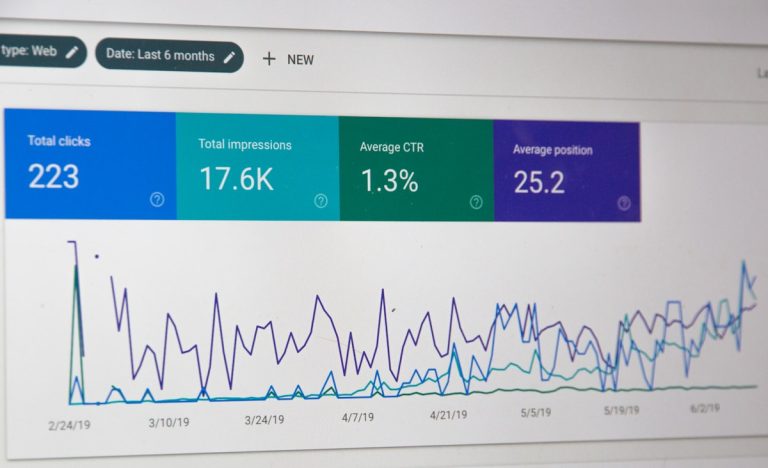
Traditional SEO performance tracking is all about measuring how well your website ranks in organic search engine results pages (SERPs). Tools like Google Analytics, Ahrefs, and Moz have helped marketers monitor clicks, domain authority, and position changes for decades.
When you analyze standard search metrics, you are looking at concrete data points that show direct user intent.
Key Metrics That Still Matter
- Keyword Rankings: Tracking where your pages sit for target queries on search engines like Google or Bing.
- Organic Traffic: Measuring the exact number of visitors coming to your site from unpaid search results.
- Click-Through Rate (CTR): Calculating the percentage of searchers who click your link after seeing it in the results.
- Technical Health: Monitoring page load speed, mobile responsiveness, and crawl errors to ensure search engine spiders can index your content smoothly.
While these numbers are vital, relying solely on standard SEO performance tracking leaves a massive blind spot in your strategy.
The Limits of Standard Rankings
Traditional analytics tools measure static list positions. If you hold position two for a primary keyword, you know roughly how much traffic to expect. However, Google now displays AI Overviews right at the top of the page, pushing standard organic listings further down.
If searchers get their answers directly from AI summaries without clicking through to a site, your organic position loses value. That is why you need to Automate Your SEO with AI to keep pace with changing search engines.
The Rise of Generative Engine Optimization (GEO) and LLM Tracking
Generative Engine Optimization (GEO) is the practice of optimizing your online presence so that AI engines mention, cite, and recommend your brand. Tracking your performance across LLMs requires an entirely different mindset compared to classic search tracking.
Why ChatGPT and Perplexity Aren’t Like Google
When someone searches on Google, the engine returns a list of web pages. When someone asks ChatGPT or Perplexity for a solution, the model generates a original answer in plain English.
There are no standard position rankings in generative responses. Instead of aiming for slot number one, your goal is to be recommended as the primary solution in the generated text.
Measuring AI Citations and Brand Sentiment
Tracking visibility in LLMs requires monitoring qualitative factors:
- Brand Mentions: How frequently your company appears when users ask relevant industry questions.
- Citation Sources: The specific websites, articles, or directory listings the AI draws from when describing your services.
- Sentiment Analysis: Whether the AI speaks about your products in a positive, neutral, or critical tone.
- Contextual Recommendation: The specific business contexts or user scenarios where the AI suggests your brand.
To build authority inside generative search models, you can Master GEO Targeting with AI to ensure your content is crawled and favored by AI assistants.
SEO Tracking vs LLM Tracking: Comparing the Two Worlds
Understanding the fundamental differences between these two visibility frameworks is critical for any modern growth strategy.
| Dimension | Traditional SEO Performance Tracking | LLM & GEO Performance Tracking |
|---|---|---|
| Primary Goal | Top rankings in search results | Inclusion and recommendations in AI answers |
| Data Nature | Quantitative (clicks, impressions, position) | Qualitative (context, sentiment, brand mentions) |
| Reproducibility | High (similar rankings per region) | Variable (answers change based on prompt phrasing) |
| Primary Platforms | Google, Bing, Yahoo | ChatGPT, Perplexity, Gemini, Claude |
| Optimization Focus | Keywords, backlinks, technical audits | Topic depth, entity authority, structured data |
Both disciplines are complementary. Solid search fundamentals feed the data pipelines that LLMs use to train their models and pull live information.
How AI CMO Unifies SEO Autopilot and GEO Operations
Managing separate tools for keyword tracking, backlink audits, and AI mention monitoring creates unnecessary complexity. Many teams end up paying massive monthly subscription costs for fragmented tools, or spending tens of thousands on external agencies.
AI CMO eliminates this friction by offering a unified, hands-on marketing automation engine designed specifically for growing businesses.
Bridging Search Engines and Generative AI
Instead of guessing how search engines and AI assistants view your brand, AI CMO continuously runs 24/7 background operations. It analyzes search trends, optimizes your on-page elements, and crafts tailored content strategies that appeal to both Google crawlers and language models.
If you want to track your growth across channels simultaneously, AI CMO: Unified AI Marketing Automation for Digital Growth provides clear real-time dashboards so you always know where you stand.
Real-Time Performance Tracking Without Fragmented Tools
Most traditional software suites leave the execution entirely on your shoulders. You get endless reports, charts, and audits, but no hands-on assistance to fix the issues.
AI CMO flips this model on its head. It carries out routine tasks, updates strategic content, and adapts your web footprint automatically. You save operational costs while getting actionable data on your brand’s growth. To streamline your localized search efforts alongside global campaigns, you can Enhance Your Local Visibility effortlessly.
Practical Steps to Track and Optimise Your Search Presence
To build an agile marketing pipeline that covers search engines and AI engines alike, follow these actionable steps:
- Audit Your Current Baseline: Use structured SEO performance tracking to identify your top-performing pages, organic traffic levels, and technical health.
- Test Key Industry Prompts: Query platforms like ChatGPT and Perplexity with common customer pain points. See if your brand is mentioned, which competitors appear, and what sources are cited.
- Optimise Content for Entity Search: Create comprehensive, direct answers to common user queries. Use structured schema markup so AI crawlers can digest your company information clearly.
- Deploy AI Automation: Let automated platforms handle daily keyword tracking, technical audits, and content refreshes so your team can focus on big-picture business strategy.
- Monitor Multi-Channel Growth: Review consolidated analytics weekly to measure traffic shifts, brand mentions, and conversion metrics across search engines and AI answers.
If you are ready to remove manual overhead from your routine operations, Start Your SEO Autopilot and let intelligent workflows manage your day-to-day optimizations.
Conclusion: Elevating Your Online Strategy with AI CMO
Digital marketing is evolving faster than ever before. Relying solely on basic keyword rankings will leave your brand hidden behind AI-generated summaries and conversational search assistants. By combining structured SEO performance tracking with forward-thinking LLM tracking, you protect your market share and capture qualified leads across every digital discovery channel.
AI CMO bridges the gap between classic search optimization and modern generative engine visibility. By automating complex technical tasks, tracking multi-channel metrics in real time, and delivering data-driven strategies, it empowers your business to achieve scalable growth without reliance on expensive agencies.
Take full control of your digital presence today with AI CMO: Unified AI Marketing Automation for Digital Growth and stay ahead of the competition in search and AI engines alike.