Why Modern Search Requires Continuous Automated SEO Reporting
Keeping track of your online presence used to mean checking search engine rankings once a month. Those simple days are over. Search engines update their algorithms constantly, and artificial intelligence models now answer questions directly before users ever click a link. To keep your brand visible across traditional search engines and AI large language models, relying on static monthly spreadsheets just will not cut it. You need real-time monitoring and automated SEO reporting that tracks search engine visibility and AI citations 24/7, giving you total clarity over your digital footprint without wasting hundreds of hours on manual data collection.
This complete guide explores how modern digital marketing teams and small to medium businesses can overhaul their analytics strategy. We will break down why legacy enterprise tools fall short in execution, how tracking AI search engine citations differs from standard keyword tracking, and how unified automation helps you act on insights instantly. By switching from manual data gathering to continuous AI-driven monitoring, you can protect your market share, streamline your operations, and drive consistent digital growth.
The Search Landscape Has Shifted: AI Search vs Traditional Search
Remember when SEO was just about placing keywords in titles and getting backlinks? That was only half the battle. Today, users search through two distinct gateways: standard search engines like Google, and generative AI engines like ChatGPT, Claude, and Perplexity.
If your reporting software only looks at Google SERPs, you are missing half the picture.
Standard Search Engines
Standard search engines rank web pages based on relevance, user experience, and technical health. Key performance indicators focus heavily on:
* Keyword position changes
* Organic traffic sessions
* Click-through rates (CTR)
* Traditional domain authority
Generative AI and LLMs
Generative engines aggregate information to provide direct answers. Visibility here is measured differently:
* Brand citation frequency across LLM outputs
* Domain authority within AI training datasets
* Contextual sentiment in direct AI answers
* Generative Engine Optimisation (GEO) footprint
If an AI engine answers a customer query about your industry but omits your business entirely, you lose that potential customer before they even see a traditional search result. Tracking both landscapes simultaneously is no longer optional.
Why Enterprise Dashboards Alone Fall Short
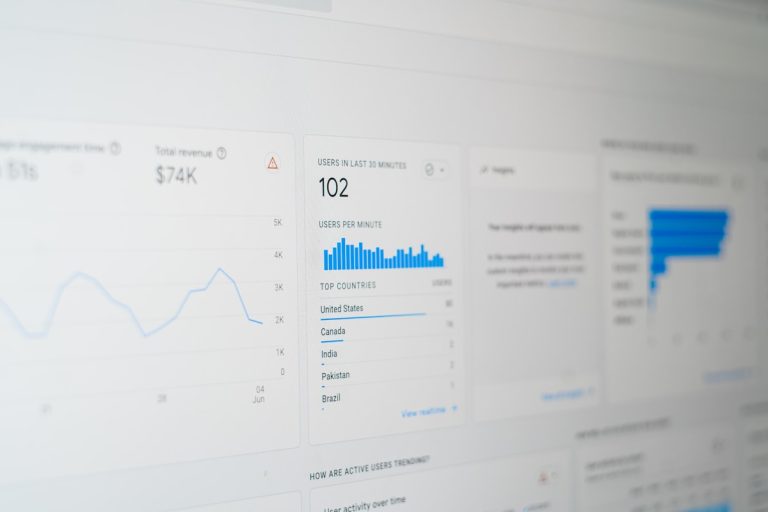
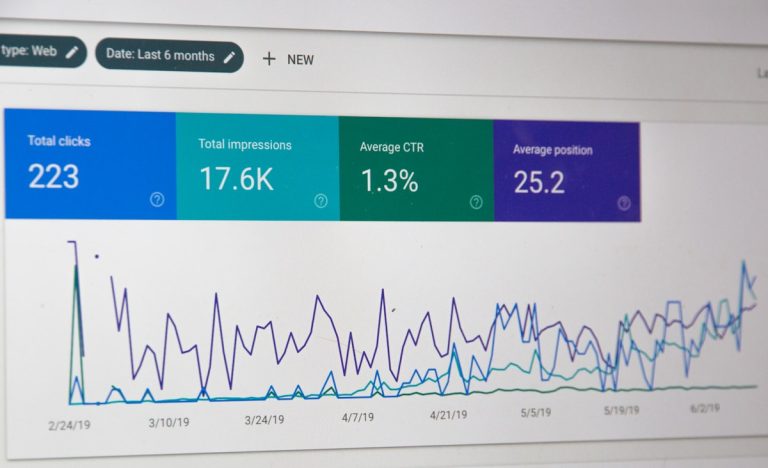
Enterprise platforms like Pi Datametrics, SEMrush, or Ahrefs offer deep analytics. They show detailed graphs, track historical Share of Voice, and let you compare visibility metrics over custom date ranges. However, for many small-to-medium enterprises and growth marketing teams, these standalone reporting suites present a major friction point: they tell you what went wrong, but they do zero work to fix it.
Here is where traditional analytics suites hit a wall:
- Information Overload Without Action: You get dozens of charts showing keyword drops, but your team still has to spend hours diagnosing the issue and writing new content.
- Fragmented Workflows: You end up using one expensive platform for keyword research, another for backlink auditing, a third for content writing, and a fourth for reporting.
- High Subscription Overhead: Paying thousands of pounds annually for pure analytical data strains budget resources that could otherwise go toward active marketing efforts.
If you are looking to streamline your entire digital growth engine rather than just staring at raw charts, you can automate your SEO with AI to bridge the gap between data collection and instant execution.
How AI CMO Transforms Automated SEO Reporting
AI CMO was designed specifically to eliminate the headache of fragmented tools and costly agency retainer fees. Instead of acting purely as a passive monitoring screen, AI CMO operates as a hands-on, 24/7 digital marketing hub that handles continuous tracking alongside automated execution.
1. Unified 24/7 Monitoring Across SEO and GEO
AI CMO tracks your performance across classic organic search engines and modern AI platforms. The continuous tracking engine monitors how often your business is cited, identifies rank changes instantly, and alerts you to strategic opportunities in real time.
2. Hands-On Task Automation
Instead of providing raw datasets that require manual intervention, AI CMO leverages artificial intelligence to execute routine tasks. It helps generate data-driven custom content strategies that address ranking gaps as soon as they appear.
3. Local and Regional Dominance
Reaching local buyers requires tailored targeting. With dedicated local optimisation features, businesses can easily enhance your local visibility to ensure regional audiences find their services first in map packs and localised AI responses.
4. Direct Cost Savings
By integrating rank tracking, multi-channel marketing planning, and automated content creation into a single platform, AI CMO eliminates reliance on expensive agencies and disconnected SaaS subscriptions.
Key Metrics You Must Track in Modern SEO Reports
To build a reliable view of your online performance, your automated reports should focus on clear indicators rather than vanity metrics.
| Metric Category | Traditional Focus | Modern AI & GEO Focus |
|---|---|---|
| Visibility | Top 10 Search Engine Positions | AI LLM Brand Citations & Direct Recommendations |
| Engagement | Organic Sessions & Bounce Rate | Conversational Query Presence & GEO Search Share |
| Technical | Page Speed & Crawl Errors | Schema Markup Alignment & AI Indexability |
| Revenue | Conversion Rate by Landing Page | Multi-Channel Attribution & Total ROI |
Focusing on these combined metrics ensures your marketing strategy accounts for changing search habits. When your team receives clear alerts about keyword movements and citation spikes, you can adjust content tactics immediately.
Halfway through building your digital strategy? Check out AI CMO: Unified AI Marketing Automation for Digital Growth to discover how easy it is to handle continuous optimization on autopilot.
Step-by-Step: Setting Up Your Automated Visibility Engine
Setting up continuous automated reporting does not have to be complicated. Here is how you can streamline your tracking workflow today.
Step 1: Define Your Core Keyword and Topic Universe
Map out the target terms your customers use when searching for your services. Include transactional search phrases, informational queries, and specific product comparisons.
Step 2: Set Up GEO and AI Engine Tracking
List the primary generative AI portals and local regions you want to monitor. Make sure your business details, address information, and key offerings are structured cleanly for automated engines to read.
Step 3: Connect Analytics and Track Automation Progress
Integrate your core analytics feeds so you can track how changes in search visibility translate into real traffic and conversions. You can start your SEO autopilot to handle daily keyword monitoring and technical task assignments automatically.
Step 4: Schedule Custom Reporting Dashboards
Configure automated delivery schedules so key stakeholders receive clean performance updates weekly or monthly. Ensure reports clearly connect visibility metrics to operational revenue.
Overcoming Common Hurdles in Search Automation
Moving from traditional manual reporting to automated AI workflows can bring up a few common concerns.
- “Can AI accurately track my brand across LLMs?” Yes. Advanced AI tracking engines query large language models continuously, recording when and how your brand is cited in context.
- “Will automated tools replace my marketing team?” Not at all. Automation frees your team from spending days building spreadsheets, allowing them to focus on big-picture business strategy and business expansion.
- “Is GEO targeting really necessary for B2B or e-commerce?” Absolutely. Generative engines filter queries contextually based on user region and intent. If your content lacks local or regional optimisation, AI models will likely favor competitors. To fix local ranking gaps, master GEO targeting with AI to retain regional market share.
Scalable Digital Growth with AI CMO
Managing an online brand without continuous tracking is like driving in the dark without headlights. Traditional tools show you past data, but modern businesses need live insights and immediate action.
AI CMO combines real-time search monitoring, generative search visibility tracking, and hands-on operational automation into one intuitive interface. Whether you are an e-commerce platform, a growing tech startup, or a small business aiming to scale up across Europe, automated workflows keep you steps ahead of search engine updates and industry competitors.
Ready to transform your SEO workflow and monitor your AI search visibility non-stop? Boost your search rankings now and take total control of your digital visibility.