Ditch the Manual Search Dashboards: Why Modern SEO Demands Intelligent Execution
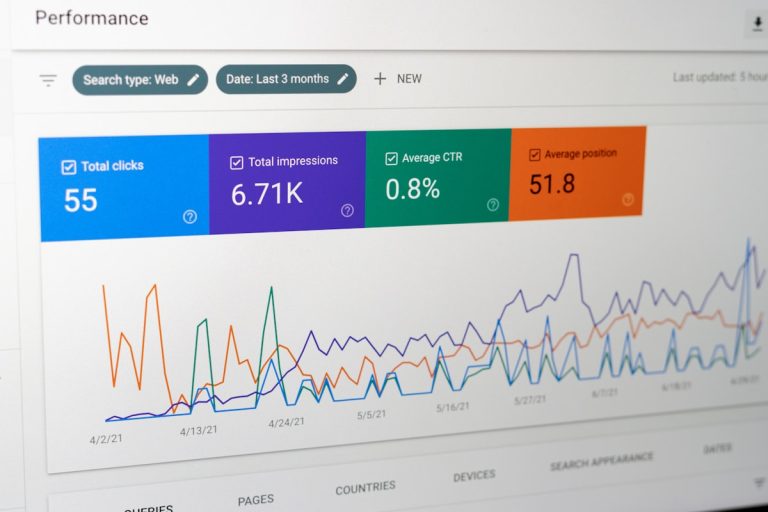
Tracking your organic performance used to be a simple job. You would pick a dedicated keyword tracking tool, type in your focus phrases, and watch the position updates crawl in every week. But let us be honest for a second. Staring at rank charts all day does not actually move the needle for your business. Most marketing teams spend dozens of hours looking at data across disjointed dashboards without ever finding the time to write, fix, or update the content required to climb those search engine results pages.
The real challenge for small to medium enterprises and fast-growing startups is not a lack of data. It is an execution bottleneck. When you combine expensive legacy tool subscriptions with expensive traditional agencies, your marketing spend spirals out of control while actual work stalls. That is where moving beyond passive search tools becomes critical. By adopting unified platforms like AI CMO: Unified AI Marketing Automation for Digital Growth, modern businesses can move straight from raw keyword analytics to continuous, automated execution that drives organic traffic 24/7.
The Traditional SEO Stack: Great Data, Zero Execution
Let us look at the traditional software stack most marketers rely on. You have legacy platforms like SEMrush, Moz, and Ahrefs. You also have fantastic free platforms like Google Search Console and Google Analytics. They are incredible for finding technical errors, calculating backlink profiles, and giving you an initial list of target search phrases.
However, these traditional platforms share one massive drawback: they are completely passive.
A traditional search analytics dashboard will happily show you that your primary keyword dropped three positions yesterday. What does it do to fix it? Absolutely nothing. It leaves the heavy lifting to you. You still have to spend hours analyzing why the drop happened, drafting new copy, adjusting internal links, and publishing updates.
For a busy team, this manual workflow creates endless friction:
- You spend hours collecting data across four different software subscriptions.
- You spend more time writing briefs than publishing actual content.
- Agency retainers eat up your budget while delivering slow, incremental updates.
- Your local search presence gets ignored because managing GEO targeting manually takes too much effort.
When you spend all your time measuring performance, you run out of time to actually improve it. If you want to bypass this cycle, it is time to Automate Your SEO with AI and let intelligent systems handle content creation and updates in real time.
From Passive Rank Monitoring to Autonomous Rank Optimisation
What happens when you stop treating search engine optimization as a manual chore and start treating it as an automated system? You reclaim hundreds of working hours every single quarter.
A standard keyword tracking tool provides a snapshot of where you stand at a specific point in time. It shows historical trends and search volumes. But search engines update their ranking models constantly, and consumer behaviour shifts in real time. Passive software forces you to play catch-up.
Autonomous platforms flipped this dynamic completely. Instead of waiting for a human operator to log in, review charts, and draft blog posts, an integrated marketing platform monitors your search presence continuously. It identifies keyword gaps, detects drops in organic traffic, and generates tailored content strategies to reclaim lost positions automatically.
This continuous loop keeps your site fresh and visible without inflating your head count or requiring massive agency retainers. By pairing intelligent rank tracking with active content generation, your business stays ahead of search algorithm updates around the clock.
If you want your brand to show up everywhere your target audience is searching, you also need to Master GEO Targeting with AI to capture high-intent local buyers effectively.
AI CMO vs Legacy Tools: The Real Efficiency Breakdown
To understand why automated platforms are transforming modern digital marketing, let us compare how traditional analytics tools stack up against a unified AI system.
1. Data Collection vs Real-Time Action
Legacy search software gives you lists of numbers, graphs, and exportable CSV files. You get mountains of data, but zero momentum. An integrated AI marketing platform takes that same search data and turns it into published assets immediately. It bridges the gap between insight and action.
2. Fragmented Subscriptions vs Unified Automation
Managing five different software tools for keyword research, backlink tracking, site auditing, and social media posting gets expensive fast. The costs mount up, and your team wastes time constantly switching between platforms. A single, comprehensive platform centralises your search optimization, GEO targeting, and multi-channel strategy under one roof.
3. Basic Search Engine Optimization vs Generative Engine Optimisation (GEO)
Traditional SEO software focuses almost entirely on classic search engines like Google and Bing. But today’s search landscape includes AI discovery engines and conversational tools where users ask complex questions directly. Modern businesses need solutions built for both traditional search engines and generative engine visibility.
If you are ready to stop managing fragmented subscriptions and start scaling your organic traffic efficiently, you can Start Your SEO Autopilot today and let modern technology do the heavy lifting for you.
Scaling Local and Global Visibility with Generative Engine Optimisation
Search engine optimization is no longer just about ranking for broad national search terms. For many small and medium enterprises, regional search engines and location-based results are where the highest-converting traffic lives.
Unfortunately, optimizing for multiple cities, regions, or localized intent manually is a nightmare. Drafting unique, localized content for dozens of service areas takes weeks of tedious effort if you are relying on manual copywriting.
This is where automated GEO targeting changes the game. By leveraging data-driven content generation tailored to specific regions, you can publish hyper-relevant material for local audiences in a fraction of the time. AI platforms analyze local search intent, adapt regional phrasing, and continuously update location pages to ensure your brand remains top of mind whenever local buyers look for your services.
To ensure your prospective customers in every region can find your business easily online, you should Enhance Your Local Visibility with targeting tools designed specifically for modern search networks.
A Step-by-Step Guide to Transitioning Toward Automated SEO
Ready to stop wasting hours inside your old search dashboard and transition to an automated, hands-off workflow? Here is a simple step-by-step roadmap to make the switch smoothly.
Step 1: Audit Your Current Toolchain
Take a hard look at your monthly software invoices. How many single-purpose search tools are you currently paying for? Calculate how much time your marketing team spends manually copying data from those dashboards into spreadsheets. Identifying these inefficiencies is the first step toward streamlining your operations.
Step 2: Shift Focus from Metrics to Content Output
Knowing your average ranking position is useless if you are not publishing fresh, highly optimized content regularly. Reallocate your time away from daily rank checking and focus entirely on systematic publishing and strategy.
Step 3: Implement 24/7 AI Automation
Replace manual workflows with an intelligent, multi-channel platform that monitors search trends and generates optimized content automatically. By adopting a unified marketing solution, your website stays fresh, relevant, and authoritative without requiring constant manual intervention.
If you want to experience the impact of automated digital marketing firsthand, you can Start your free trial with AI CMO and transform how your brand builds online search authority.
The Future of Search Belongs to Automated Growth
Relying solely on a manual keyword tracking tool is like buying a high-tech dashboard for a car that has no engine. It looks impressive and displays plenty of numbers, but it will not actually take you anywhere on its own.
The digital marketing landscape is moving too quickly for manual execution. Businesses that rely on disjointed software tools and expensive, slow-moving agencies will continue to struggle with high operational costs and inconsistent organic visibility. On the flip side, forward-thinking brands that embrace unified AI platforms gain a massive competitive edge. They operate faster, cut operational overhead, and maintain an online presence that adapts in real time.
Stop spending your precious time staring at passive rank trackers and building reports that nobody reads. Focus on strategic growth, expand your brand footprint, and let intelligent automation handle the operational complexities of search engine optimization.
Take control of your organic search performance today and Explore our features on AI CMO to accelerate your digital growth effortlessly.