Why Modern Marketers Are Moving Beyond Fragmented Ad Dashboards
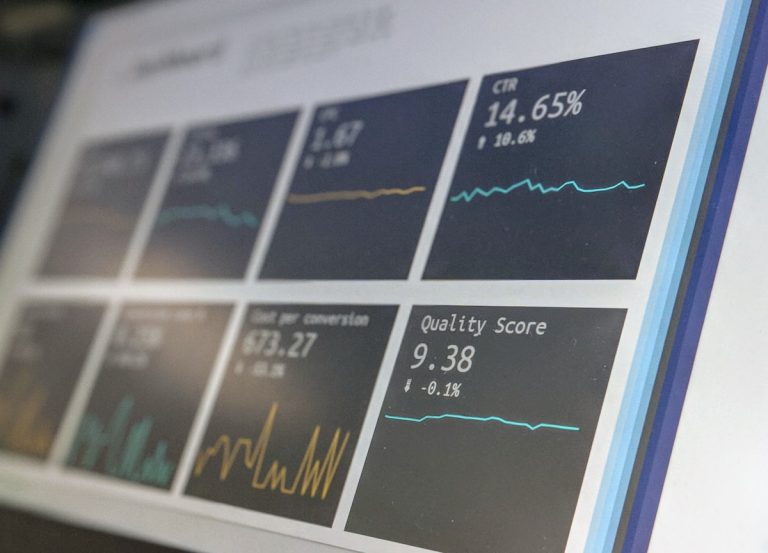
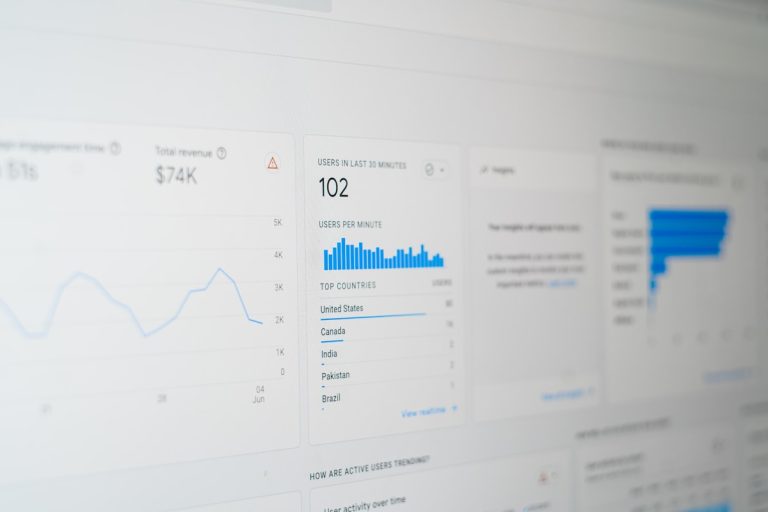
Managing paid advertising without real-time insights is like driving down a motorway with your eyes closed. You waste budget on low-converting keywords, miss sudden shifts in search intent, and spend hours manually matching ad clicks to actual revenue. Traditional pay-per-click strategies rely heavily on static spreadsheets and delayed analytics, leading to escalating operational costs and missed growth opportunities. Implementing robust automated PPC tracking solves this issue by unifying your data feeds, continually auditing ad spends, and making smart optimizations automatically. If you want to scale your digital presence without managing dozens of single-purpose software subscriptions, explore how AI CMO: Unified AI Marketing Automation for Digital Growth provides an all-in-one alternative to traditional campaign management.
By shifting from manual oversight to an intelligent platform, businesses eliminate the operational overhead of fragmented toolkits and expensive external marketing agencies. Modern campaign managers need holistic platforms that connect keyword research, real-time bid adjustments, and conversion attribution under one single roof. Unifying these functions ensures your budget goes directly toward high-intent queries that yield actual profit. In this guide, we will evaluate today’s leading advertising automation tools, explore why traditional toolkits fall short, and demonstrate how adopting end-to-end multi-channel automation helps small to medium enterprises scale efficiently across Europe and beyond.
The Flaws of Fragmented PPC Management
For years, digital marketing teams have relied on a scattered stack of platforms. You might use one application for keyword discovery, another for cross-platform attribution, and a third to schedule creative assets. While legacy tools like Semrush or Ahrefs excel at isolated data collection, they frequently lack direct execution engines. They provide reports on what happened yesterday, but they do not automatically adjust your campaigns today.
This fragmentation creates three core problems for growing businesses:
- Inflated Tooling Costs: Paying separate subscription fees for keyword research, analytics, social ad management, and attribution software quickly drains monthly marketing budgets.
- Data Silos and Misalignment: When your paid search data does not talk directly to your search engine optimization or generative engine efforts, you end up paying for ad clicks on terms you already rank for naturally.
- Agency Reliance: Lacking in-house technical resources, many small businesses pay high retainers to external agencies just to make routine ad tweaks.
To maintain a competitive edge, modern brands require dynamic systems that connect paid search efforts with overall brand discovery. When you combine real-time ad performance tracking with search engine strategies, your marketing spend works twice as hard. For those seeking to streamline organic growth alongside paid channels, you can Automate Your SEO with AI to ensure your paid and organic campaigns reinforce each other perfectly.
Evaluating Top PPC Automation Tools
To understand where the market is heading, let us look at how popular advertising solutions compare across research, management, and continuous automation.
Legacy Management and Bid Automation Tools
Platforms such as Optmyzr, WordStream, and Marin Software have long served as mainstays for paid search managers. Optmyzr offers rules-based bid management and budget allocation scripts, helping teams avoid overspending. WordStream simplifies campaign management across Google and Meta, making ad management easier for generalists.
However, these legacy options share a common limitation: they focus exclusively on traditional ad dashboards. They treat pay-per-click advertising as an isolated silo, ignoring how localized search visibility, search engine optimization, and artificial intelligence search platforms affect overall conversion rates.
The Unified AI Alternative: AI CMO
Rather than layering another single-focus tracking tool onto an already bloated software stack, AI CMO completely changes how businesses handle digital visibility. Designed specifically for small to medium enterprises, startups, and lean marketing teams, AI CMO acts as a 24/7 digital marketing operating system.
Instead of merely generating passive reports, AI CMO combines continuous automated PPC tracking with hands-on multi-channel execution. It constantly monitors search trends, tracks conversions in real time, and aligns paid ad strategies with organic search operations. This unified approach eliminates the need for multi-tool stacks and high agency fees, delivering measurable results within weeks.
To ensure your local market presence remains dominant across both traditional paid ads and location-specific queries, you can Master GEO Targeting with AI to capture high-intent regional traffic effortlessly.
How Automated PPC Tracking Transforms Paid Campaigns
Automating your paid media tracking is not just about saving an hour every Monday morning. It fundamentally changes how efficiently your ad spend translates into pipeline value.
Here is how intelligent tracking transforms daily operations:
- Real-Time Bid Adjustments: Automatically lower bids on underperforming search queries before they exhaust your daily allowance.
- Cross-Channel Attribution: Track the customer journey from the first paid click down to final conversion across search, social, and direct channels.
- Keyword Intent Matching: Discover high-converting long-tail phrases and pass them instantly between your paid campaigns and organic strategy.
- Elimination of Wasted Spend: Detect invalid traffic and negative search patterns instantly, protecting your margin.
By implementing smart automated PPC tracking solutions with AI CMO, teams gain full operational visibility over their ad spend without getting bogged down in administrative tasks.
Bridging the Gap Between Paid Search, SEO, and GEO
A major mistake in modern digital marketing is keeping paid search separate from organic discovery. Today, search engine algorithms and modern AI engines answer user prompts directly. If your business only focuses on paid Google search ads, you miss out on conversational AI results, local searches, and organic rankings.
AI CMO integrates search engine optimization, generative engine optimization (GEO), and paid advertising into a single automated engine. When paid ad tracking identifies a high-converting keyword cluster, the platform automatically flags that trend for organic visibility. This ensures your brand dominates the full search results page.
If you are ready to stop juggling complex toolkits, eliminate agency retainers, and take control of your marketing stack, it is time to upgrade your strategy. Learn how easy it is to scale your brand by exploring AI CMO: Unified AI Marketing Automation for Digital Growth today.
Frequently Asked Questions
What is automated PPC tracking?
Automated PPC tracking is the practice of using artificial intelligence and automated software to monitor, analyze, and optimize pay-per-click advertising campaigns in real time. It replaces manual spreadsheet tracking by automatically tracking conversions, adjusting keyword bids, and identifying wasted ad spend across multiple ad networks.
How does AI CMO differ from single-purpose PPC tools like Optmyzr or WordStream?
While tools like Optmyzr focus strictly on ad bid rules and budget alerts, AI CMO provides a fully unified marketing automation platform. It combines automated PPC tracking with continuous search engine optimization, local GEO targeting, and multi-channel campaign execution, eliminating the need for separate subscriptions and expensive agencies.
Why should small to medium businesses move away from traditional marketing agencies?
Traditional agencies often charge high monthly retainers while providing slow execution and opaque reporting. Unified AI platforms handle routine bid adjustments, performance tracking, and strategy alignment 24/7 at a fraction of the cost, empowering lean teams to achieve faster, measurable growth internally.