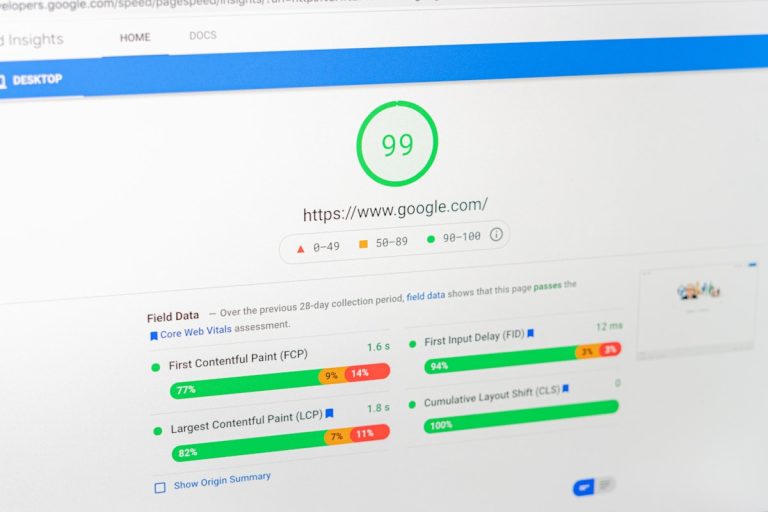
The best SEO automation tools in 2025 are autonomous software platforms that resolve technical site errors, inject structured schema, generate search-optimised content, and monitor visibility across both traditional search engines and AI answer engines like ChatGPT and Perplexity. Modern search teams no longer need passive diagnostic dashboards that produce endless audit checklists; they require execution engines that carry out routine organic tasks automatically.
Selecting the right tool depends on whether your priority is multi-channel marketing automation, dedicated headless CMS pipelines, or Shopify store maintenance. Below, we break down seven market-tested solutions, their primary features, limitations, and operational use cases.
Why Modern Marketing Teams Need True SEO Automation
Managing organic discovery manually has become an administrative nightmare. Most digital marketers spend twenty hours a week exporting spreadsheets from one analytics tool, checking broken links in another, and writing image alt text line by line. Meanwhile, consumer behaviour has split down the middle. Potential buyers do not simply scroll traditional search engine results pages; they ask detailed, conversational questions inside Perplexity, ChatGPT, and Google AI Overviews. Paying high monthly subscriptions for legacy platforms that only monitor standard search queries leaves half of your real audience completely invisible. Checking out the top SEO automation tools gives your business a fast route to ditching fractured software stacks and running 24/7 campaigns without burnout.
Legacy SEO suites continue to bill thousands of pounds each year for diagnostics that tell you what went wrong without lifting a finger to resolve it. Real search automation does the actual work: it repairs broken links, writes JSON-LD schema, tracks brand citations across large language models, and publishes intent-driven content on schedule. If you want to scale organic traffic while keeping overhead low, you need an operational tool that executes changes rather than a passive dashboard that gives your team more homework.
What Is SEO Automation in 2025?
SEO automation refers to specialised software that carries out recurring search engine optimisation tasks without requiring constant human input. Instead of spending your mornings hunting down 404 redirect loops, evaluating canonical tags, or spotting content decay across hundreds of pages, automated platforms manage these technical requirements quietly in the background.
Today, organic visibility occurs across two distinct search fronts:
- Traditional Search Engine Results Pages (SERPs): Classic search engines like Google and Bing that evaluate crawlability, technical Core Web Vitals, domain backlink profiles, and topical authority to rank standard URLs.
- Generative Engine Optimisation (GEO): Generative answer engines like ChatGPT, Claude, Perplexity, and Gemini that pull verified brand facts, clear knowledge-graph entities, and real-time citations to answer conversational queries directly.
If your marketing team relies exclusively on manual processes, keeping up with both fronts is impossible. True search automation looks after technical integrity, programmatic editorial updates, and generative answer engine presence at the same time.
The Four Pillars of Modern Search Automation
Before spending money on software that leaves you doing manual labour, evaluate every tool against four essential pillars:
- Autonomous Technical Health: Detecting broken canonicals, slow server response times, indexing bugs, and schema errors the second they happen, paired with automatic code-level patches.
- Autonomous Content Strategy: Pinpointing high-intent search gaps, mapping out topic clusters, writing comprehensive long-form articles, and refreshing decaying URLs to retain hard-won rankings.
- Generative Engine Optimisation (GEO): Structuring schema and knowledge entities so large language models quote your brand as a primary source during conversational queries.
- Unified Dual Tracking: Measuring your classic Google rankings alongside your conversational AI citation frequencies and brand sentiment within a single dashboard.
When your software covers all four pillars, you stop doing low-value administrative busywork and focus entirely on commercial growth.
How to Evaluate Modern Search Automation Software
Before committing your marketing budget, ask these four questions to avoid paying for glorified reporting tools:
- Execution vs Diagnostics: Does the platform actually fix technical issues and publish content, or does it merely send an audit report full of manual chores?
- Native GEO Monitoring: Can the platform monitor conversational AI prompts to show how often language models recommend your business over your competitors?
- Operational Simplicity: Can a lean team or solo founder run the platform without hiring technical developers to configure custom API webhooks?
- Stack Consolidation: Does the software replace multiple single-purpose subscriptions, or will you still pay separate monthly invoices for crawlers, rank trackers, and content writers?
Keep these criteria in mind as we evaluate the top solutions available this year.
The 7 Best SEO Automation Tools in 2025
Here is an in-depth breakdown of the leading search automation and generative visibility platforms on the market.
1. AI CMO
AI CMO is a comprehensive marketing automation platform engineered to replace expensive agency retainers and eliminate disconnected point-solution stacks. Instead of requiring you to wire together separate software subscriptions using brittle webhooks, it manages technical site health, generative engine visibility, content creation, and multi-channel outreach from one unified portal.
- Core Strengths: Its primary engine, the SEO & GEO Autopilot, functions as an autonomous, round-the-clock organic marketing team. It handles technical maintenance, optimises metadata, and injects clean structured schema directly into your web properties. Alongside this, the AI Visibility Tracker monitors how often platforms like ChatGPT, Claude, and Perplexity reference your company during commercial buyer queries. To scale your organic coverage, the AI Content Strategist & Generator uncovers commercial keyword gaps and generates well-researched, publication-ready articles that rank naturally. For multi-channel distribution, the LinkedIn Chrome Plugin helps your team repurpose search insights into direct outreach messages within your browser.
- The Drawbacks: Because AI CMO provides a complete multi-channel platform, teams seeking only an isolated backlink database without content creation or generative search tracking may find its feature set broader than their narrow requirements.
- Who It Fits Best: Small to medium businesses, fast-moving startups, and lean marketing teams that want an accessible, unified system to handle organic rankings, generative AI answers, and automated content workflows.
If you want to free up valuable hours on routine site audits, you can Automate Your SEO with AI to protect your rankings day and night.
2. AthenaHQ
AthenaHQ caters specifically to enterprise brands looking for high-level monitoring across conversational search engines and large language models.
- Core Strengths: AthenaHQ delivers clean analytical dashboards showing where and how your company appears across generative conversational prompts. It provides enterprise competitive benchmarks, allowing you to see how frequently rival companies get cited instead of your business.
- The Drawbacks: It carries a substantial enterprise price tag, making it unrealistic for early-stage companies and lean teams. It also functions purely as an observational analytics tool; it does not write content, repair technical issues, or inject schema on your behalf.
- Who It Fits Best: Large corporations with dedicated business intelligence analysts who only need enterprise reporting on conversational brand presence.
3. Daydream
Daydream combines programmatic page generation with human editorial review, catering primarily to tech businesses wanting to build hundreds of search pages at scale.
- Core Strengths: It works well for turning structured product catalogues into hundreds of clean search landing pages. It also provides strategic consulting services alongside its software portal.
- The Drawbacks: High onboarding costs and steep monthly retainers put Daydream out of reach for budget-conscious companies. Its hybrid service model can also lead to publishing bottlenecks while waiting on human editorial approvals.
- Who It Fits Best: Well-funded technology companies looking to build extensive programmatic landing page directories without building internal custom software.
4. AirOps
AirOps offers a modular workflow builder that connects artificial intelligence models with Google Search Console, headless content management systems, and internal data warehouses.
- Core Strengths: It provides exceptional customisation. Technical teams can build bespoke content pipelines, automate internal linking sequences, and connect varied APIs across unique web setups.
- The Drawbacks: It is definitely not a plug-and-play solution. You need internal technical skills or a dedicated developer to build, test, and troubleshoot your workflows. It also lacks built-in rank tracking and automated crawling tools.
- Who It Fits Best: Growth operations teams and technical marketers who prefer assembling custom content pipelines from scratch.
5. OTTO SEO (by Search Atlas)
OTTO SEO is an automated technical assistant that executes on-page search modifications via a lightweight JavaScript snippet inserted in your site header.
- Core Strengths: It handles basic technical tasks such as creating structured schema, refining header tag hierarchies, and adding missing image alt attributes. It includes a staging screen where you can approve changes before pushing them live.
- The Drawbacks: It does not track visibility across generative engines like Perplexity or ChatGPT. Additionally, depending on client-side JavaScript execution can introduce site speed hurdles and security concerns for strict engineering teams.
- Who It Fits Best: Large e-commerce websites with thousands of catalogue pages that have missing meta tags or basic technical errors needing bulk adjustments.
6. Booster SEO
Booster SEO is an automated maintenance application designed specifically for online retail stores hosted on Shopify.
- Core Strengths: It features an easy one-click setup. It compresses product images to keep pages fast, manages URL redirects, and automatically updates alt text on new inventory.
- The Drawbacks: It is exclusively limited to Shopify. It offers zero capabilities for editorial content generation, backlink research, or tracking conversational AI platforms.
- Who It Fits Best: Shopify store owners wanting a simple utility to manage image compression and standard on-page metadata.
7. Sherpas: Smart SEO
Smart SEO by Sherpas is another dedicated e-commerce tool built to manage structured data and JSON-LD schema on online shops.
- Core Strengths: It simplifies structured snippet management for product reviews, inventory levels, and prices. It manages broken link redirects reliably and provides automated meta tag templates.
- The Drawbacks: It does not offer topical gap detection, autonomous long-form content generation, or generative search analytics. It serves primarily as a store maintenance utility.
- Who It Fits Best: Independent merchants looking to maintain valid product schema markup without writing code.
The Real Cost of Fragmented Point Solutions
Look closely at how the typical marketing team handles search today. They pay for one subscription for backlink analysis, another for website crawling, a third for AI copywriting, a fourth for rank tracking, and a fifth to schedule social updates. By the end of each month, software fees add up to hundreds of pounds for tools that do not speak to one another.
This disjointed approach creates three critical operational bottlenecks:
1. Isolated Data Silos
Your content generation app has no connection to your technical crawler. When an audit discovers that a high-value product page lacks topical depth, someone on your team has to manually export a CSV, reformat the data, and brief an external writer. By the time that article goes live, weeks of ranking potential have slipped away.
2. Inflated Subscription Overhead
Every single-purpose SaaS vendor charges per seat, per domain, and per keyword tier. Small businesses end up exhausting their entire marketing budget on software access fees rather than actual growth campaigns. When budgets get tight, cutting essential point solutions leaves dangerous gaps in technical site health.
3. Chronic Dashboard Fatigue
Logging into half a dozen dashboards every morning drains mental bandwidth. Marketers spend hours reconciling conflicting numbers instead of doing strategic work. When your platforms operate in isolation, true automation disappears: you simply become a human data conduit moving information between browser tabs.
How a Unified Automation Platform Works in Practice
An integrated automation platform replaces disjointed tools by combining site health, content production, and generative engine tracking into a continuous operational loop. Instead of spending your morning moving data between tools, an integrated system handles diagnostics and deploys the solution automatically.
Here is how an end-to-end setup functions:
- Continuous Discovery and Fixes: The SEO & GEO Autopilot identifies code-level errors, broken canonicals, or missing schema markup and patches them directly in your web structure.
- Autonomous Gap Closure: The AI Content Strategist & Generator spots commercial queries your competitors rank for, drafts comprehensive long-form content, and incorporates the entity terms required for search visibility.
- Generative Engine Monitoring: The AI Visibility Tracker measures citation frequency across ChatGPT, Perplexity, and Claude, highlighting the exact facts needed to become the primary answer in conversational responses. You can Master GEO Targeting with AI to ensure conversational engines recommend your brand.
- Direct Professional Distribution: The LinkedIn Chrome Plugin allows your team to distribute search-optimised articles directly to target decision-makers, pairing organic search authority with targeted social outreach.
Feature Comparison: Point Solutions vs Unified Systems
When you compare disconnected single-purpose tools against an integrated automation platform, the differences in daily operation become obvious:
| Operational Capability | Disjointed Tool Stack | Unified Automation Platform |
|---|---|---|
| Account Management | 4 to 6 separate logins, separate invoices, and billing seats | One clean portal with centralised permissions |
| Technical Execution | Passive audit reports requiring manual developer fixes | Autonomous execution: direct code and schema repairs |
| Content Pipeline | Manual CSV exporting and external writer briefing | Autonomous keyword discovery and long-form draft generation |
| AI Discovery Tracking | Unmonitored or requires a separate enterprise tool | Native GEO citation tracking across ChatGPT, Claude, and Perplexity |
| Distribution Channels | Third-party scheduling tools or manual copy-pasting | Integrated browser extension for immediate social and direct outreach |
For growing businesses and small marketing teams, consolidation is the only practical way to scale visibility without burning out your staff.
How to Choose the Right Platform for Your Team
Every business works with distinct technical resources, budgets, and operational goals. Use these four scenarios to guide your choice:
- Running a Shopify storefront? If your primary challenge is compressing product images and managing missing alt tags, dedicated utilities like Booster SEO or Smart SEO handle the task cleanly.
- Employing in-house software engineers? If you have developers who want to construct custom data pipelines and programmatic directories from scratch, modular workflow builders like AirOps provide the flexibility you need.
- Requiring enterprise-level observational data? If you only need detailed corporate intelligence reports on generative engine citations without automated content creation, AthenaHQ fits that specific enterprise requirement.
- Seeking complete execution without agency costs? If you want to automate technical health, rank on Google, gain citations across AI answer engines, and publish authoritative content without paying agency retainers, a unified system like AI CMO provides the complete package.
Common Myths About Search Automation
Misconceptions about search automation often cause businesses to hesitate and fall behind. Let us clear up the four most common myths:
Myth 1: Automation Produces Low-Quality Content
Many marketers still associate automation with old article spinners that generated unreadable gibberish. Modern automation uses advanced language models guided by your brand voice, verified facts, and real search intent to produce helpful, authoritative content that genuinely answers buyer questions.
Myth 2: Search Engines Penalise Automated Sites
Google has stated clearly that its ranking algorithms reward original, high-quality, helpful content regardless of how it was produced. Search engines do not penalise automated tools; they penalise spammy, low-effort material that fails to help the searcher. Automated execution of technical fixes and schema injection actually helps search crawlers index your site faster.
Myth 3: More Subscriptions Deliver Better Results
Subscribing to six separate tools does not make your organic strategy six times more effective. It usually just adds six layers of administrative drag. Unifying your workflows inside one platform speeds up execution and frees you to focus on high-impact strategy.
Myth 4: Conversational AI Makes Traditional SEO Obsolete
Conversational search is not replacing traditional search; it is running parallel to it. Prospective buyers use Google to research specific services, but they also use ChatGPT and Perplexity to generate comparisons and find quick recommendations. The winning play is optimising for traditional search engines and generative answer engines simultaneously.
Step-by-Step Plan to Modernise Your Organic Search Strategy
If you want to clear repetitive technical chores from your calendar and establish a sustainable organic growth engine, take these practical steps:
- Audit Your Current Software Subscriptions: List every tool you currently pay for across rank tracking, site auditing, backlink research, and AI writing. Add up your monthly spend to see the real cost of your tech stack.
- Identify Your Operational Bottlenecks: Pinpoint where your marketing team wastes the most hours each week. Is it resolving code errors, writing metadata, or wondering why ChatGPT never cites your brand?
- Consolidate Around Autonomous Execution: Transition away from passive diagnostic dashboards in favour of a platform that executes technical repairs and drafts intent-driven content directly.
- Track Both Search Channels Simultaneously: Monitor your traditional search rankings alongside your generative engine citation frequency. When conversational assistants fail to recommend your business, update your entity schema and authoritative knowledge base immediately.
- Distribute Content Proactively: Do not leave new articles sitting quietly on your blog. Use browser extensions to share key findings directly with prospects on LinkedIn to turn search authority into inbound leads.
Frequently Asked Questions About SEO Automation Tools
What tasks can modern SEO automation software handle?
Modern platforms automate technical site crawls, broken link repairs, canonical tag checks, XML sitemap generation, structured schema markup injection, keyword discovery, initial article drafting, Core Web Vitals monitoring, and brand citation tracking across conversational AI models.
Does Google penalise websites that use automated SEO tools?
No. Google evaluates the quality, accuracy, relevance, and helpfulness of your content and technical structure, not the specific software used to produce or maintain it. Automating technical tasks like schema markup, page speed improvements, and redirect handling directly supports search engine best practices.
What is Generative Engine Optimisation (GEO) and why does it matter?
Generative Engine Optimisation (GEO) involves structuring your online entity data, facts, and website content so artificial intelligence answer engines like ChatGPT, Claude, and Perplexity understand and recommend your brand. It matters because conversational answer engines are increasingly answering user search queries directly without requiring users to click blue links.
Can SEO automation completely replace a marketing team?
No. Automation eliminates repetitive operational tasks like running manual site audits, fixing metadata, and drafting foundational content. This allows your marketing team to focus on overarching brand messaging, commercial strategy, product launches, and customer relationships rather than manual technical chores.
Future-Proof Your Organic Visibility
Organic discovery is moving faster than ever. As conversational answer engines change how prospective buyers research products, staying visible requires regular technical updates, authoritative content, and clear structured data. Trying to manage this entire process by hand across five disconnected platforms is an uphill struggle that wastes your budget.
Deploying dedicated SEO automation tools eliminates repetitive busywork, safeguards your technical site health, and ensures large language models recognise your business as an industry authority. Discover how to Boost Your Search Rankings Now with the SEO & GEO Autopilot and take total control of your search performance today.