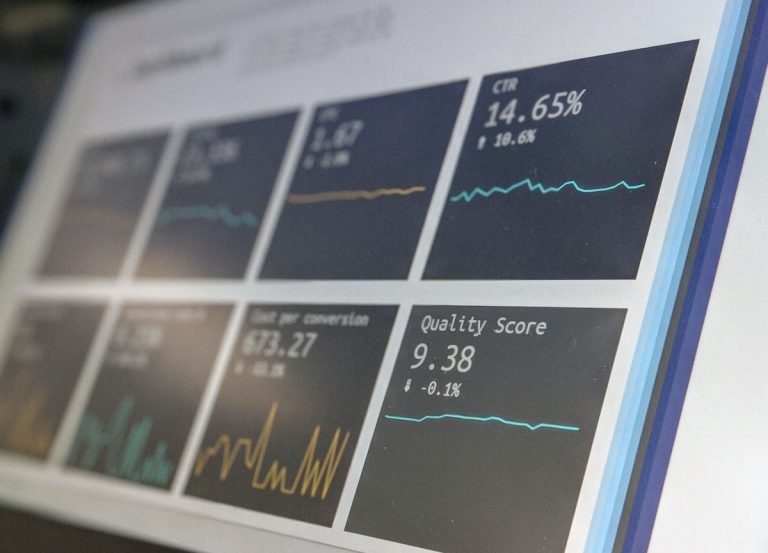
Why Modern Teams Need Real Action, Not Just More Dashboards
Enterprise tech is consolidating at breakneck speed. Take Rocket Software snapping up Vertica from OpenText: the big players realise that managing fragmented databases and legacy analytics across separate silos simply burns money. Yet, while enterprise giants merge high-speed databases, modern growth teams are still stuck juggling ten different tabs. You have one tool for keyword tracking, another for local map packs, a messy spreadsheet for reporting, and an agency that charges thousands every month just to email you static PDF decks. It is slow, fragmented, and frankly exhausting.
If you want actual digital growth without hiring an army of consultants, the entire model must shift. Modern businesses cannot afford passive dashboards that merely explain why revenue dropped three weeks ago. Instead, high-growth brands demand actionable intelligence that ties directly into automated search engine optimisation, local market targeting, and cross-channel campaigns. Discover how modern teams deploy AI CMO: Unified AI Marketing Automation for Digital Growth to bring high-speed data interpretation and daily execution together under one roof, letting reliable algorithms do the heavy lifting while you stay in complete strategic control.
The Big Data Trap: Dashboards That Tell You Everything and Solve Nothing
Let us be completely honest with ourselves. Most marketing stacks are graveyard shifts for raw data.
You open Google Search Console, flick over to Google Analytics, check your backlink software, and then jump into a social scheduler. Every vendor sells you on deeper insights. But what actually happens with those insights on a Tuesday morning? Usually nothing, because your internal team does not have twenty spare hours each week to translate cold graphs into working copy, updated schema, or localised landing pages.
Enterprise mergers like Rocket Software absorbing Vertica reveal a fundamental industry truth: data infrastructure must scale and simplify simultaneously. Yet, traditional marketing software went the opposite direction. Tools like SEMrush, Moz, and Ahrefs provide fantastic historical research, but they hand you an enormous to-do list instead of fixing the problem. HubSpot and Marketo organise emails, but they do not actively diagnose search visibility or build out local territory ranking.
You are left paying massive monthly subscription bills across half a dozen dashboards. The result? Total analysis paralysis.
The Bridge Between Numbers and Execution: Enter AI Performance Analytics
What does real intelligence look like when it is actually practical? It comes down to closing the loop between reading data and publishing work.
Traditional reporting waits for human hands to export CSV files, spot a drop in rankings, draft a new meta description, and update the website weeks later. In contrast, modern platforms deploy real-time intelligence to constantly audit your organic profile, evaluate algorithm updates, and immediately draft fixes.
When you configure your workflow to automate your SEO with AI, continuous background monitoring stops being an abstract chore. The software tracks rankings, flags missing schema, writes human-grade content updates, and lines them up for your approval. You get the analytical depth of an enterprise team without wasting hours on manual spreadsheet maintenance.
By uniting tracking with immediate execution, your analytics stop being a rear-view mirror. They become the steering wheel.
The Problem with Disjointed Point Solutions
Why do point tools fail growing businesses?
- Massive Context Switching: Moving between six different apps burns mental energy and invites human error.
- Hidden Retainer Fees: Buying analytics software often forces you to hire third-party contractors just to understand the graphs.
- Delayed Reaction Times: By the time you notice your local search profile dipping, a local competitor has already scooped up the search share.
- Data Isolation: Your local maps data rarely speaks to your organic blog strategy, which rarely syncs with your multi-channel promotions.
To fix this mess, marketing software must connect live data interpretation with active publishing. If you want to expand your reach across local towns and districts, you can master GEO targeting with AI to turn regional search queries into targeted, hyper-local pages without wrestling with multiple plugins.
Why GEO Visibility Matters as Much as Traditional Search
Search is undergoing its biggest structural shake-up in two decades. We are no longer simply competing for standard blue links on desktop screens. Modern buyers search through voice assistants, mobile mapping apps, and conversational recommendation engines.
This is where generative engine optimisation (GEO) enters the picture. It is not enough to rank on a generic national keyword; your business must be actively recommended when buyers ask AI engines for specific solutions within their immediate geographic region.
Traditional SEO software completely overlooks this shift. They track historical keyword rank positions across generic national indexes, leaving you completely blind to how recommendation algorithms perceive your brand.
By unifying your approach, you can track local visibility and conversational presence in one spot. Before launching a campaign, you can review how to check your brand’s AI visibility to see exactly where your company stands across modern discovery platforms.
To secure local rankings before legacy competitors catch on, it pays to enhance your local visibility using continuous geo-targeted page deployments.
Human-in-the-Loop: Transparent Control Over Machine Speed
Many business owners feel naturally cautious about automated marketing systems. We have all seen rogue scripts publish nonsensical, robotic text or hallucinate false claims about services.
That is why pure black-box automation fails modern commercial standards. You need the pure calculation speed of algorithmic monitoring paired with strict governance.
Modern platforms handle this friction through structured permission architectures. The engine audits your web footprint, models competitive gaps, and crafts precise updates. However, nothing goes live to your production website without explicit, signed human confirmation.
Marketing teams can review changes, inspect content tone, and click approve. You eliminate the repetitive manual drudgery of writing and coding while retaining absolute authority over your brand reputation.
For fast-moving teams that want clear guidance on managing these digital workspaces, reviewing how to onboard and manage your brand with aiCMO shows just how easy it is to set operational boundaries while letting background agents do the grunt work.
Halfway through your digital transformation journey, deploying reliable AI performance analytics ensures your commercial team always acts on clear data rather than gut instinct.
Moving Beyond Siloed Agencies
For decades, small and medium enterprises faced a frustrating choice:
- Hire an agency for £3,000 to £8,000 every month, endure opaque monthly reports, and wait six weeks for simple landing page updates.
- Keep marketing in-house, burn out internal staff across ten fragmented apps, and watch organic traffic steadily decline.
Neither option is sustainable in today’s economic climate.
When you replace siloed tools with unified systems, the operational savings are dramatic. A single automated platform can scan ranking positions 24 hours a day, draft optimised copy tailored to your brand voice, handle multi-channel syndication, and generate clean reports without billing you for hourly agency meetings.
If you are ready to remove the bottleneck of manual website updates, you can boost your search rankings now and let smart automation build out your organic pipeline.
Streamlining Cross-Channel Workflows
Organic search rankings are powerful, but they work best when supported by broad multi-channel distribution. Once an article or location page goes live, that insight needs to travel across professional networks, social profiles, and industry feeds.
Doing this manually requires copying snippets, resizing graphics, rewriting hooks, and scheduling posts across multiple windows. Disjointed point tools make this process tedious.
A unified platform breaks that logjam. The platform reads an approved search asset, extracts key commercial themes, adapts the register for LinkedIn or Twitter, and cues up the distribution flow automatically.
Learning how to manage multi-channel with aiCMO demonstrates how quickly your digital footprint can multiply when your publishing engine speaks directly to your analytics hub.
Instead of burning half your working week on formatting and syndication, you spend twenty minutes reviewing polished assets before they launch.
The Bottom Line: Moving from Observation to Commercial Growth
The consolidation happening across enterprise software is a wake-up call for the entire marketing sector. Watching data trickle onto a screen does not generate revenue. Resolving technical errors, publishing authority content, maintaining local citations, and capturing regional buyer searches is what drives real business value.
Stop wasting money on fragmented tool stacks that leave you doing all the manual work. Shift to a unified marketing operating system that detects opportunities, crafts the solution, and executes changes with verified human oversight.
Take back your time, eliminate bloated agency retainers, and transform raw performance tracking into proactive commercial growth by exploring AI CMO: Unified AI Marketing Automation for Digital Growth today.