The New Marketing Hierarchy: Strategy Meets Execution
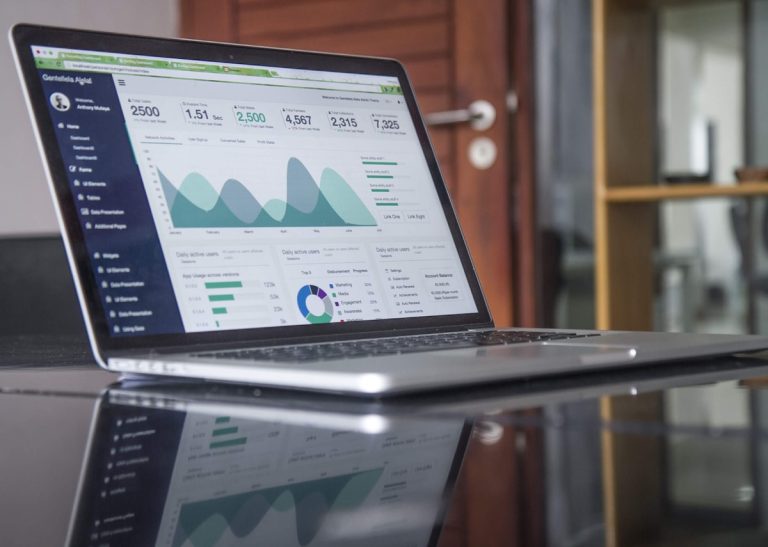
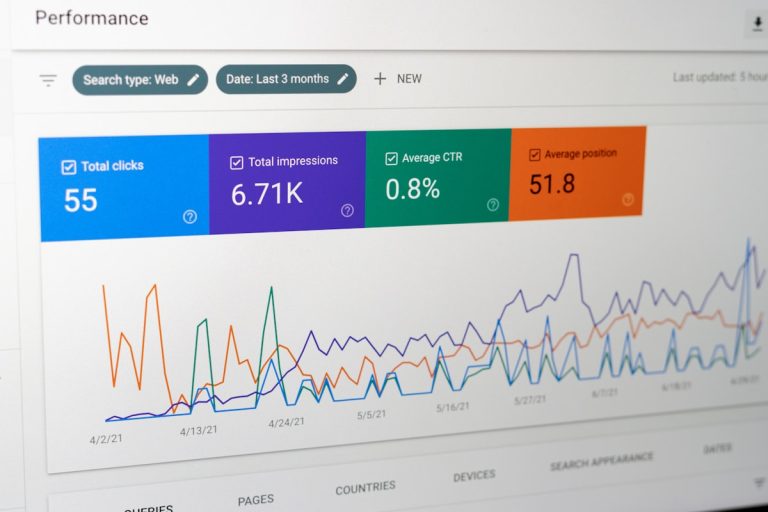
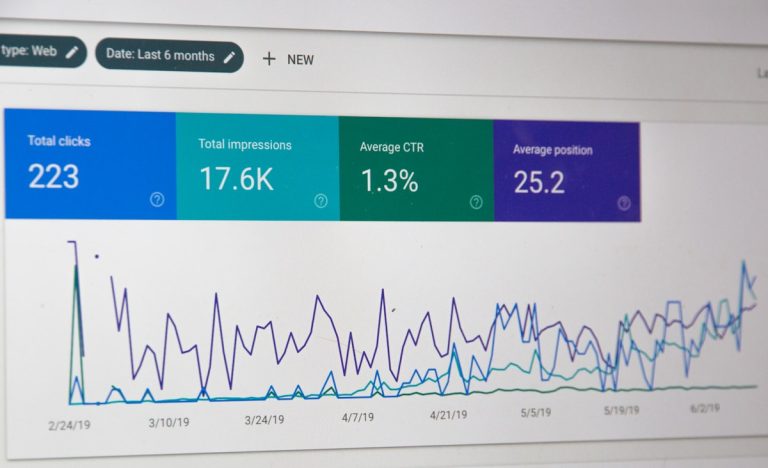
Marketing roles are shifting faster than ever before. For years, digital marketing teams spent countless hours manually pulling analytics, tracking keyword ranks, and building spreadsheets for clients. Today, modern technology handles the heavy lifting, allowing specialists to move away from tedious operational tasks. When modern platforms handle automated SEO reporting, marketing managers and specialists gain immediate visibility into campaign performance without losing hours to manual data entry.
By combining top-level strategic direction with automated operational tools, lean marketing teams can achieve the scale of a traditional enterprise agency. Instead of burning budget on expensive third-party retainers or juggling fragmented software, smart businesses use AI CMO: Unified AI Marketing Automation for Digital Growth to direct overall strategy while internal technical talent handles the fine details.
Why Modern Marketing Needs Both Strategy and Technical Execution
Let us be honest about traditional digital marketing. It is often bloated, slow, and needlessly complex. A standard agency charges thousands of pounds every month just to maintain basic keyword trackers and send out static monthly summaries.
On the technical side, an AI automation specialist or senior full-stack developer focuses on system architecture, custom API integrations, and code deployment. They make sure the backend infrastructure runs smoothly. But technical execution without strategic marketing direction is like building a fast car with no navigational system. You might move quickly, but you have no idea where you are heading.
This is where the distinction between strategic vision and operational technical execution becomes critical:
- Strategic Direction: Setting high-level goals, identifying core market positioning, mapping user intent, and determining cross-channel messaging.
- Technical Automation: Setting up custom scrapers, configuring webhooks, building custom web applications, and handling complex backend workflows.
- Operational SEO: Running technical site audits, generating keyword-optimised content, monitoring rankings, and tracking localized performance.
When you bridge these areas, you stop wasting time. Instead of waiting weeks for an agency to review your site speed or tweak your metadata, automated workflows handle updates in real time. If you want to streamline your search performance right away, you can Automate Your SEO with AI and let intelligent systems handle continuous site optimisation.
The Role of the AI Automation Specialist
An AI automation specialist brings technical depth to a marketing team. Profiles in this field, such as senior full-stack developers specializing in artificial intelligence and automation, excel at custom engineering. They build data pipelines, connect disparate web apps, and resolve technical bugs.
However, expecting a technical developer to double as a full-time Chief Marketing Officer usually leads to friction. Developers excel at writing clean code and scaling server infrastructure, not necessarily writing persuasive copy or crafting nuanced brand positioning.
What Technical Specialists Do Best
- Custom Infrastructure: Setting up web apps, managing databases, and connecting APIs across internal tools.
- Workflow Optimisation: Eliminating manual steps in data intake, lead processing, and user onboarding.
- Advanced Integrations: Linking web development frameworks with backend business logic to ensure uptime and performance.
Where Technical Specialists Need Support
- Content Strategy: Creating consistent, tone-accurate, search-optimised articles that resonate with human readers.
- Generative Engine Optimisation (GEO): Adapting content for modern AI search engines that answer user prompts directly.
- Ongoing Marketing Operations: Constantly monitoring dynamic keyword shifts and adjusting multi-channel ad copy.
When you pair a technical specialist with a dedicated strategic tool, the specialist focuses on high-value development while the platform handles everyday organic growth.
Strategic Guidance at Scale: The AI Chief Marketing Officer
While the automation specialist builds and maintains backend systems, an AI CMO platform operates as the strategic brain. It analyzes market trends, studies competitors, and plans long-term content strategies tailored to your exact industry.

Traditional marketing tools like SEMrush, Ahrefs, or Moz provide vast amounts of data. They show you backlink graphs, keyword volumes, and site audit warnings. But they expect you to do all the heavy lifting. They give you the raw numbers and leave you to figure out what to write, how to structure your pages, and when to publish.
In contrast, an intelligent platform goes beyond passive analytics. It actively generates data-driven content, schedules updates, and executes localized strategy on autopilot. You can Enhance Your Local Visibility to target specific regions without spending weeks manually researching regional search habits.
Halfway through your digital transformation journey, it becomes clear that relying solely on manual reporting or static spreadsheets holds your business back. To scale effectively, you should rely on real-time automated SEO reporting to assess performance instantly and keep your team aligned.
Comparing Traditional Marketing Tools with Unified AI Systems
To understand how marketing roles are evolving, it helps to compare traditional workflows with modern automated solutions.
| Feature / Capability | Traditional SEO Tools (SEMrush, Ahrefs) | Standard Agencies | AI CMO Platform |
|---|---|---|---|
| Primary Focus | Raw metrics and keyword analytics | Manual execution and monthly calls | Autonomous strategy and execution |
| Operational Effort | High (Requires dedicated staff) | Low (Outsourced, but slow) | Minimal (Automated 24/7) |
| Speed to Execution | Days or weeks to turn data into action | Weeks or months per campaign | Real-time continuous updates |
| Cost Structure | High subscription fees + labor costs | Expensive monthly retainers | Affordable, predictable software cost |
| GEO & Local Targeting | Limited static keyword tracking | Manual landing page creation | Dynamic, automated GEO optimization |
Standard inbound tools like HubSpot or Marketo handle customer relationship management well, but they lack native, continuous SEO automation. By replacing fragmented dashboards with a unified AI platform, lean teams cut operational costs while maintaining continuous search engine presence.
How AI Automation and Strategic Reporting Synergy Works
How does this synergy look in practice? Let us walk through a practical scenario.
Imagine a growing technology business launching a new software product.
- The Technical Specialist builds the product landing page, configures web server analytics, and optimizes page loading speeds using modern developer tools.
- The Strategic AI Platform conducts immediate market analysis, identifies content gaps, generates targeted long-form blog articles, and structures on-page metadata.
- Automated SEO Reporting continuously tracks rankings, organic traffic, and generative engine visibility. It automatically flags performance wins and alerts the team to drop-offs.

Because the system runs 24/7, the business does not need to wait until the end of the month for an agency account manager to compile a PDF report. The metrics update automatically, providing actionable feedback immediately.
If you are looking to streamline your internal processes today, you can Start Your SEO Autopilot and eliminate repetitive manual optimization forever.
Practical Steps to Transition Your Marketing Team
If you want to modernise your marketing operations and free up your technical team, follow this clear roadmap:
Step 1: Audit Your Current Workflow Costs
Calculate how many hours your team spends every month on keyword research, content drafting, manual link checks, and report building. Compare this cost against the price of dedicated automation platforms.
Step 2: Separate Strategy from Technical Engineering
Let your developers and technical automation specialists focus on core app development, web performance, and user interface design. Stop assigning manual SEO content writing or basic metadata tracking to technical staff.
Step 3: Implement Continuous Local and Global Targeting
Traditional marketing often neglects local search due to the effort required to optimize multiple geographic variations. Use automated systems to Master GEO Targeting with AI so your brand appears prominently in both local searches and AI-driven conversational search engines.
Step 4: Establish Real-Time Metrics over Monthly Audits
Ditch static monthly reports. Set up real-time dashboards that show exactly how your pages are ranking, where your organic traffic originates, and how your conversion rates trend day by day.
Future-Proofing Your Growth Strategy
The digital landscape is moving beyond simple keyword matching. Generative engines now summarize search responses directly for users, changing how customers find products and services online.
Businesses that rely on traditional, slow-moving agency retainers will struggle to keep up. On the other hand, companies that empower technical specialists with high-level AI strategic platforms will adapt instantly to algorithm updates and evolving consumer behaviors.
By combining human technical talent with continuous AI-driven marketing automation, small and medium enterprises can compete directly with large corporations, securing dominant organic visibility without ballooning their payroll.
Ready to take control of your digital growth with transparent, automated SEO reporting? Transition your team to modern marketing automation today and focus on expanding your core business.