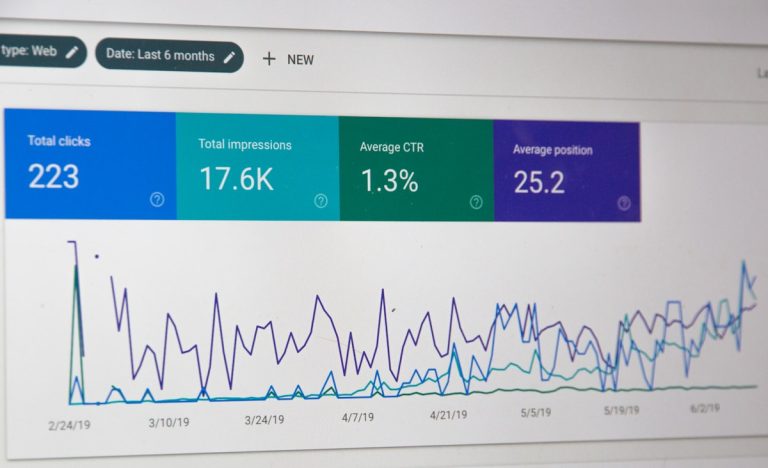
Ditch the Complex Scripts: Modern Automated SEO Reporting Made Simple
Running regular search audits used to mean spending hours writing custom Python scripts, configuring cron jobs, and wrestling with Slack webhooks just to catch a broken meta tag. While developer-heavy solutions work for engineering teams, most marketers and business owners simply do not have the time to maintain fragile codebases just to track site performance. If you want seamless insights, you can explore unified automated SEO reporting with AI CMO to get complete visibility without touching a single line of code. Modern platforms handle technical audits automatically, giving you actionable data without the headache of custom infrastructure.
By replacing manual checks and technical setups with hands-on artificial intelligence, modern teams can save hundreds of hours every year. Instead of receiving endless text alerts in a noisy chat channel, you get instant root-cause analysis, actionable fixes, and continuous search performance updates. This article explores why technical script setups often fail growing businesses and demonstrates how adopting a zero-code AI framework simplifies your audit workflow while dramatically improving your search rankings.
Why Python Scripts and Webhooks Fall Short for Growing Teams
Many technical marketers start their automation journey by writing Python scripts. They use libraries like requests and BeautifulSoup to scrape their own sites, check status codes, and ping Slack whenever a 404 error appears. It feels clever at first. However, custom scripts quickly become a burden as your business grows.
Here are the main reasons why custom script setups fail over time:
- High maintenance overhead: Every time your site layout changes or an API updates, your script breaks. Someone has to fix the code.
- Alert fatigue: Slack webhooks dump hundreds of raw error logs into team channels without contextual prioritisation. Critical alerts get lost in the noise.
- Lack of actionable strategy: A script can tell you a status code is 500, but it cannot write an optimized replacement article or adjust your metadata based on competitor research.
- No multi-channel or GEO context: Basic scripts check traditional technical markers, but they completely ignore Generative Engine Optimization (GEO) and modern AI search behaviours.
When your team spends time debugging custom webhooks instead of growing search visibility, operational expenses quickly escalate. You can automate your SEO with AI tools to eliminate developer reliance entirely and shift your focus back to high-level strategy.
Python Scripts vs AI CMO: A Direct Comparison
To understand why modern businesses are moving away from custom coding, let us evaluate technical DIY scripts alongside a dedicated AI marketing platform.
| Feature | Custom Python + Slack Scripts | AI CMO Platform |
|---|---|---|
| Setup Time | Hours or days of coding | Instant, code-free onboarding |
| Technical Expertise | Requires Python, cloud hosting, and API knowledge | Designed for non-technical teams and marketers |
| Insight Depth | Basic technical checks (status codes, tags) | Full SEO, GEO, and multi-channel performance tracking |
| Execution Power | Sends alerts only | Provides data-driven strategies and automated fixes |
| Maintenance | Requires manual debugging and server upkeep | Fully managed 24/7 cloud solution |
Custom scripts focus purely on passive analytics. They tell you something went wrong after the event. In contrast, AI CMO actively works to optimise your site content, monitor rankings continuously, and deliver clear metrics without requiring software maintenance. If you want to expand your local and regional reach alongside traditional search metrics, master GEO targeting with AI to ensure your business stays visible across AI search platforms.
How AI CMO Automates 24/7 SEO and GEO Operations
Search engine optimization is no longer limited to traditional keyword placement on Google. Today, buyers use generative search engines, conversational AI, and visual discovery tools to find solutions. Managing all these channels manually is virtually impossible for small to medium enterprises.
AI CMO operates as a unified marketing automation solution that works around the clock. It monitors your technical health, analyses search engine trends, and adjusts your content positioning in real time.
Instead of toggling between dozens of fragmented software dashboards or digging through raw server logs, you manage your entire strategy from a single intuitive interface. The platform tracks technical errors, organic search queries, and generative visibility metrics simultaneously. To streamline your daily marketing workflow, leverage AI CMO for automated SEO reporting and gain actionable insights without drowning in raw data.

Step-by-Step: Setting Up Continuous SEO Optimization Without Developer Overhead
Setting up an enterprise-grade search strategy should not require an engineering degree. Here is how modern marketing teams establish continuous monitoring and automated content execution without writing code.
Step 1: Connect Your Domain
Forget about configuring webhooks, API tokens, or serverless cloud functions. You simply input your website domain into the AI CMO setup wizard. The platform automatically begins scanning your technical architecture, indexation status, and keyword footprint.
Step 2: Establish Your Performance Benchmarks
Rather than hardcoding threshold values into a configuration file, AI CMO evaluates your market landscape automatically. It benchmarks your site against key industry competitors to establish clear performance baselines for both traditional SEO and Generative Engine Optimization.
Step 3: Enable Autonomous Auditing and Tracking
Once connected, the system performs continuous 24/7 site audits. If an indexation block occurs or keyword visibility drops, the platform identifies the exact issue, ranks its business impact, and recommends direct fixes.
Step 4: Execute Data-Driven Strategies
Unlike basic auditing tools that stop at error reporting, AI CMO creates actionable content strategies based on live search data. You can start your SEO autopilot workflow to generate targeted, high-ranking content aligned with your target audience’s search intent.
Why Multi-Channel Marketing and GEO Targeting Matter
Search engine algorithms change rapidly. Traditional rank tracking only gives you a small window into your audience’s actual behaviour. Today, customers discover brands across multiple digital touchpoints, including local maps, generative AI answers, and social search channels.
Generative Engine Optimization (GEO) focuses on ensuring your brand appears prominently inside AI-generated search summaries. If your business relies exclusively on old-school backlink checks or simple title tag monitoring, you miss critical visibility opportunities in modern search engines.
Integrating GEO with multi-channel automation allows small teams to compete with large corporations. You do not need a massive marketing department or an expensive agency retainer. By deploying AI systems that adapt dynamically to search changes, startups and growing businesses can achieve measurable organic growth within weeks.
To ensure your brand appears across both traditional search engines and AI engines, enhance your local and search visibility with an all-in-one automation platform.

Overcoming the Hidden Costs of DIY Automation
Building your own software infrastructure seems cheap on paper because open-source Python libraries are free. However, the hidden costs accumulate quickly:
- Developer Hourly Rates: Diverting internal engineering time to maintain marketing scripts costs thousands of pounds in lost productivity.
- Server and API Fees: Third-party search APIs, proxy services, and cloud hosting platforms carry monthly usage fees that rise as your site grows.
- Delayed Decision Making: Raw technical reports require manual analysis before anyone can take action, creating strategy bottlenecks.
By moving to a zero-code AI framework, you remove technical debt entirely. Your team gets instant, plain-English summaries of site health, keyword trajectory, and competitive opportunities. This frees up strategic focus, allowing you to prioritize brand messaging and customer acquisition while the AI engine handles routine operational chores.
Take Control of Your SEO Growth Strategy Today
Relying on complex Python scripts and noisy Slack alerts is a legacy approach to website optimization. Modern search demands real-time responsiveness, multi-channel execution, and intelligent data analysis that goes far beyond simple status code checks.
AI CMO replaces fragmented tools and technical script maintenance with a unified, transparent platform. You get comprehensive 24/7 technical audits, continuous keyword tracking, and automated content execution designed to maximize your brand’s digital reach.
Stop wasting time fixing broken code and start growing your organic search traffic today. You can scale your growth with automated SEO reporting from AI CMO and transform your digital marketing operations with a simplified, intelligent system built for modern business.