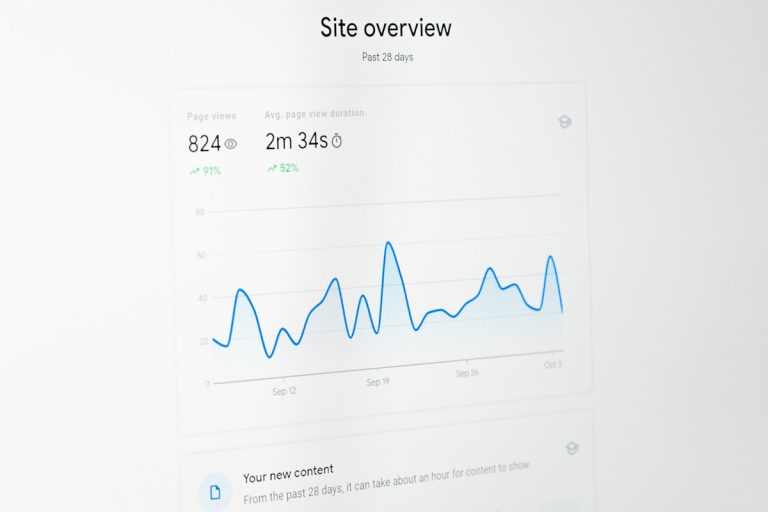
SEO automation is the use of scheduled web crawlers, machine learning models, and dynamic site webhooks to run repetitive organic search tasks without continuous human effort. When set up safely, automated systems monitor technical health 24/7, cluster high-intent keywords, update structured schema, and track citations across generative answer engines like ChatGPT, Claude, and Google AI Overviews. This frees growth teams to focus purely on high-stakes strategy, authentic thought leadership, and conversions.
The Real Cost of Manual SEO: Why Spreadsheets Are Draining Your Budget
Manual search marketing is quietly draining your budget. If your growth team spends twenty hours every week copying numbers between spreadsheets, fixing broken redirects one by one, or hunting for missing meta descriptions, you are burning capital for tiny returns. Modern search landscapes shift far too fast for quarterly site audits. A single rogue staging tag or an errant canonical instruction pushed on a Friday can wreck your organic revenue before anyone notices on Monday morning. That is why high-growth brands choose to Automate Your SEO with AI, swapping chaotic manual checklists for an always-on engine that diagnoses errors and defends rankings day and night.
Traditional search is no longer just ten blue links on a desktop screen. When modern buyers search for software or professional services, they rely on conversational AI models for direct vendor recommendations. Relying on disconnected tools or pricey, slow agencies creates blind spots that wreck your customer acquisition funnel. Bringing your marketing operations into AI CMO: Unified AI Marketing Automation for Digital Growth gives your business the operational firepower of an entire digital department. You cut bloated software subscriptions, slash overheads, and build durable search authority across every market you care about.
What Is SEO Automation and How Does It Actually Work?
At its core, search automation connects scheduled web crawlers, machine learning models, and content management webhooks to execute repetitive optimisation tasks on autopilot. Think of it as a 24/7 digital site technician who never sleeps, never takes a holiday, and never forgets to check a critical URL.
Instead of paying an agency thousands of pounds to run a routine site crawl once a quarter, automated systems inspect your site architecture continuously. If an engineer accidentally pushes a noindex tag to your live production environment, an automated monitor flags it immediately before search engines drop your commercial landing pages from the index.
An enterprise-ready automation pipeline runs across three continuous layers:
- Continuous Data Ingestion: Background webhooks monitor page loading speeds, server status codes, indexability rules, backlink profiles, and live SERP fluctuations around the clock.
- Algorithmic Processing: Machine learning algorithms cluster thousands of raw search queries into tight semantic themes, flag keyword cannibalisation risks, and assess commercial search intent.
- Programmatic Execution: The system automatically updates XML sitemaps, verifies schema markup integrity, pushes technical alerts into your internal communication channels, and builds structured briefs for your writers.
When these three layers communicate cleanly, search marketing stops feeling like a chore. It turns organic discovery into an always-on, self-healing growth engine.
Why Does Traditional Manual SEO Fail Modern Growth Teams?
The modern web is far more volatile than it was five years ago. Search engines push major core algorithm updates multiple times every year. Meanwhile, generative answer engines like ChatGPT, Claude, and Perplexity scrape and synthesise information dynamically. Trying to manage this fast-moving landscape with manual checklists simply fails.
Here is what happens when a growing business relies solely on manual search workflows:
- Lagging Reaction Times: By the time an in-house marketer spots a traffic drop in Google Search Console, the technical glitch has probably damaged your visibility for weeks.
- Wasted Creative Talent: Talented strategists and writers spend their days sorting spreadsheets, checking status codes, and formatting reports instead of creating high-converting sales assets.
- Stalled Content Velocity: Manual keyword mapping, topical research, and briefing take days per article, slowing your publishing schedule to a crawl.
- Zero Visibility into AI Answers: Traditional rank trackers only monitor standard search engine results pages. They have no idea whether your brand is being cited inside ChatGPT, Claude, or Perplexity.
Adopting intelligent SEO Automation solves these systemic bottlenecks. It removes human error from routine technical maintenance and research, ensuring your company stays ahead of continuous search updates.
Which Search Workflows Should You Automate First?
You should never attempt to automate everything all at once. If you try to outsource your unique brand point of view, strategic judgements, or core creative arguments to software, you will end up with bland pages that fail to convert readers into buyers. The trick is applying automation to areas where software genuinely outperforms humans: repetitive, data-heavy, continuous workflows.
1. Continuous Technical Audits and Site Health
Technical site errors operate like damp inside a building. They spread silently beneath the floorboards, and by the time you spot peeling paint on the wall, repairing the structural damage is expensive and disruptive. A misplaced instruction in your robots.txt file or an errant canonical tag on your core commercial landing pages can wipe out your search visibility overnight.
Automated technical health checks protect your domain across several critical areas:
- Broken Link and 404 Resolution: Automated crawlers navigate your internal linking architecture, spotting dead links before search engine spiders waste crawl budget or potential customers run into dead ends.
- Redirect Chain Audits: Automation scripts catch multi-hop redirect chains that increase page latency, hurt server response times, and dilute ranking equity.
- Dynamic XML Sitemap Validation: Cloud platforms ensure your XML sitemaps stay pristine, accurate, and automatically refreshed whenever new pages are published.
- Core Web Vitals Monitoring: Real-time diagnostic monitors measure metrics like Largest Contentful Paint (LCP) and Cumulative Layout Shift (CLS) on desktop and mobile viewports.
Managing this volume of technical checks manually is impossible for lean marketing teams. Implementing dedicated systems like the SEO & GEO Autopilot keeps your foundation solid, ensuring your site remains easily indexable for standard search engines and large language models alike.
2. Semantic Keyword Discovery and Topical Clustering
Sifting through ten thousand raw search queries in a spreadsheet takes days, invites human error, and almost always leads to keyword cannibalisation, where two or more of your own pages fight against each other for the exact same query.
Automated clustering software takes raw keyword exports and organises them into logical semantic buckets within minutes. Algorithms analyse live search results, identify query intent, group long-tail phrases, and map target terms to specific URLs. Your editorial team can see at a glance which subjects need brand-new content and which existing URLs simply need a quick content refresh, preventing duplicated efforts across your domain.
3. SERP Entity Mapping and Content Brief Generation
Writing detailed content briefs by hand requires hours of manual competitor analysis. Marketers have to inspect the top ten search results, break down competitor headings, record secondary terms, and map out topical entities one by one. Doing this for every single article creates an enormous editorial bottleneck.
Automated briefing tools scan top-performing pages in seconds. They pull out recurring subheadings, surface critical entity mentions, calculate ideal word count ranges, and gather common questions asked across industry forums. Writers receive comprehensive, structured briefs immediately, allowing them to focus on sharp writing and original analysis rather than tedious SERP reconnaissance.
4. Tracking Visibility Across Generative Search Engines (GEO)
Standard rank trackers only follow classic desktop and mobile search positions. But search habits are changing rapidly. Prospective buyers increasingly skip traditional link lists entirely, typing detailed queries straight into conversational tools like ChatGPT, Claude, and Perplexity to get synthesised recommendations.
If your brand is missing from these AI-generated summaries, you miss out on high-intent buyers who never click on conventional search results. Tracking these mentions manually is impossible because generative answers change dynamically based on prompt context and conversation history. With the AI Visibility Tracker, your team monitors conversational brand citations, evaluates context sentiment, and uncovers gaps across major language models. To systematically refine how these engines present your business, you can Master GEO Targeting with AI and build durable authority across both conventional and conversational platforms.
What Search Marketing Tasks Must Never Be Fully Automated?
While software processes structured data with incredible speed, it completely lacks commercial intuition, empathy, and hands-on industry experience. Leaving your entire search strategy to automated scripts without human checks creates bland messaging and exposes your business to algorithmic penalties.
High-Level Commercial Strategy and Capital Allocation
An automated crawler can quickly flag that three hundred pages are missing meta descriptions. What it cannot tell you is whether writing those meta tags will deliver more revenue than creating three in-depth comparison guides targeting your main commercial competitors. Strategic prioritisation demands commercial judgement. Marketing leaders must weigh technical tasks against projected revenue to ensure team time and budget go toward high-impact business goals.
Brand Voice and Rigorous Editorial Oversight
Language models can produce grammatically sound text in seconds, but raw machine text frequently lacks personality, genuine insight, and real-world examples. It tends to fall back on predictable formulas, repetitive structures, and occasionally fabricated details. A skilled human editor must review drafts, insert proprietary data, verify factual claims, and shape the tone so that every piece feels authentic and trustworthy before publication.
High-Stakes Conversion Copywriting
Your primary commercial landing pages, pricing tables, and checkout funnels require emotional nuance and persuasive craftsmanship. Automated software can identify search volume and suggest relevant semantic terms, but experienced copywriters must craft the narrative that addresses buyer doubts and turns passive readers into paying clients.
How to Build a Safe SEO Automation Pipeline in Five Steps
Moving from reactive manual tasks to structured automation requires a clear, disciplined approach. Here is a five-step blueprint to build an automated search pipeline that drives steady organic traffic while protecting your domain authority.
Step 1: Audit and Categorise Your Search Workflows
Start by listing every single search task your team performs over a quarter. Categorise each task into one of three operational buckets:
- Repetitive Operations: Technical crawl audits, rank tracking, log file analysis, sitemap checks, and uptime monitoring.
- Hybrid Operations: Keyword clustering, content brief development, internal link mapping, and competitor gap analysis.
- Human-Centric Operations: Brand positioning, unique industry commentary, leadership opinions, and final editorial reviews.
Automate repetitive operations completely. Use smart software to accelerate hybrid operations. Protect human-centric operations from generic automated shortcuts.
Step 2: Set Up Real-Time Monitoring and Webhook Alerts
Never wait for a monthly performance report to discover that your organic traffic has dropped. Connect your monitoring systems directly to your team communication channels, such as Slack or Microsoft Teams, using automated webhooks.
Set up clear alert thresholds for critical incidents: sudden spikes in 404 or 500 response codes, unexpected changes to your robots.txt file, notable drops in Core Web Vitals, or missing canonical tags on key commercial URLs. Immediate notifications allow your developers to correct technical glitches in minutes, rather than leaving broken code live for search spiders to crawl for weeks.
Step 3: Accelerate Content Planning and Briefing
Clear the bottlenecks from your editorial workflow by streamlining research. By using dedicated tools like the AI Content Strategist & Generator, your marketing team can turn keyword clusters into organised content calendars, evaluate live SERP data, and build structured briefs rapidly. Your writers can then focus their time on refining arguments, verifying technical details, and providing real value to readers.
Step 4: Automate Multi-Channel Content Distribution
Publishing well-researched content is only half the battle. New articles build topical authority and earn early ranking signals faster when they receive prompt engagement and social traffic. Build automated distribution workflows that format and share snippets of your content across social platforms and community channels the moment a page goes live.
For B2B companies, combining search initiatives with focused outreach tools like the LinkedIn Chrome Plugin bridges the gap between organic content and direct engagement. It enables your sales and growth teams to automate personalised messaging, nurture industry contacts, and share fresh guides directly with relevant prospects without leaving their browser.
Step 5: Unify Metrics into a Single Source of Truth
Move away from multiple disconnected dashboards and chaotic spreadsheets. Combine your crawl metrics, Google Search Console figures, conversion tracking, and generative engine visibility into one unified dashboard. This gives your management team clear visibility into overall organic ROI, without requiring marketers to spend hours building static presentation decks.
Key Performance Indicators to Track Automation Success
To ensure your automated search operations deliver measurable business value, monitor these primary performance metrics:
- Hours Reclaimed: Measure the hours your marketing team saves each week by automating manual technical checks, keyword sorting, and reporting.
- Technical Architecture Score: Maintain a technical site health score above 90% via automated alerts and fast developer fixes.
- Topical Cluster Coverage: Track how comprehensively your domain ranks across complete topical clusters rather than tracking isolated keywords.
- Content Velocity: Measure your monthly output of thoroughly edited, human-reviewed articles before and after adopting automated research and briefing.
- AI Citation Share: Monitor how often major generative models reference your brand, domain, or proprietary data when answering industry-related queries.
Tracking these indicators helps you balance automated velocity with strict quality control, ensuring your domain gains authority over time.
Common Pitfalls to Avoid in SEO Automation
While automation offers significant operational advantages, careless execution can damage your domain’s organic reputation. Keep these sensible boundaries in place to protect your search performance.
Publishing Raw Machine Content at Scale
Publishing hundreds of unreviewed, machine-generated articles is the fastest way to attract search quality penalties. Both search engines and human readers quickly recognise low-effort, repetitive writing. Always treat raw machine output as an initial working draft. Every page published on your website must provide verified facts, clear utility, and genuine editorial value.
Using a Fragmented Software Stack
Subscribing to eight separate single-purpose tools for rank checks, backlink audits, keyword discovery, and sitemap validation introduces unnecessary operational drag. Your team spends valuable time managing accounts and reconciling conflicting data instead of publishing campaigns. Consolidating your workflows inside an integrated system handles technical health, generative engine tracking, and content operations smoothly under one roof.
Forgetting to Calibrate Systems Regularly
Automation is not a set-and-forget tactic. Search algorithms update, competitors shift their positioning, and audience habits evolve. Schedule a quarterly review to update your automation parameters, adjust keyword difficulty targets, and ensure your automated triggers support your broader commercial goals.
The Evolution Toward Generative Engine Optimisation (GEO)
Search behaviour is dividing into two distinct paths. In one path, users type short keywords into traditional search engines and evaluate a list of organic links. In the other path, users enter detailed prompts into generative AI models, expecting a clear, synthesised answer without clicking through several different websites.
This shift means your search marketing operations must expand beyond traditional link rankings. Generative engines evaluate authority by assessing brand mentions, author expertise, and factual consistency across the broader web. Keeping up with this conversational environment through manual tracking is practically impossible.
By adopting modern SEO Automation, tracking your brand’s presence across AI responses becomes just as straightforward as monitoring classic search positions. Once you know how AI models reference your business, you can refine your content briefs, target key digital citations, and maintain visibility wherever your buyers choose to search.
Frequently Asked Questions About SEO Automation
Will automating SEO tasks cause Google penalties?
No, automating operational tasks like technical crawls, uptime checks, internal link audits, and sitemap updates will never cause penalties. Google penalises low-quality, spammy content and deceptive link schemes. As long as you review drafts with human editors and maintain high factual standards, automation protects your site health rather than harming it.
Can SEO automation replace an in-house marketing team?
SEO automation replaces tedious, repetitive administrative tasks, not human strategic thought. It frees up your team from spending hours on spreadsheets and manual checks so they can focus on conversion copywriting, customer interviews, and commercial strategy.
How does automation help with AI search visibility (GEO)?
Generative engines synthesise answers using structured web data, verified facts, and consistent brand citations. Automated tools monitor AI search results in real time, alerting you when your competitors are cited instead of your business, and highlighting the exact topical entities needed to earn future citations.
Scale Your Search Presence Safely and Confidently
Deploying intelligent search automation allows your business to build lasting search visibility without needing an expensive external agency or an unwieldy internal team. By automating routine technical monitoring, semantic clustering, and multi-channel distribution while keeping experienced marketers focused on strategic planning and editorial quality, your brand establishes lasting authority across classic search engines and modern AI tools alike.
Stop losing valuable time and budget to manual audits and disconnected software. Take control of your organic search today: Start Your SEO Autopilot and scale your search visibility with speed, safety, and confidence.