The New Frontier of Digital Search: Why Traditional Tracking Isn’t Enough
The digital search landscape is shifting fast under our feet. For years, digital marketing relied entirely on classic search engine rankings, tracking blue links on a Google results page. But today, artificial intelligence and Large Language Models (LLMs) are changing how people find information. Searchers now ask ChatGPT, Perplexity, and Google Gemini for direct answers rather than clicking through ten different websites. If your brand wants to remain visible in this new era, you need to measure both standard search rankings and AI mentions seamlessly. Modern SEO performance tracking requires a unified approach that bridges traditional search metrics with Generative Engine Optimization (GEO) and Answer Engine Optimization (AEO).
Keeping up with these dual requirements can quickly become a nightmare if you rely on fragmented tools or expensive external agencies. Small and medium-sized enterprises often waste thousands of pounds each month trying to piece together legacy analytics that do not even cover generative AI recommendations. That is where intelligent automation takes centre stage. By combining 24/7 rank monitoring, content optimization, and generative visibility tracking into one streamlined platform, modern marketing teams can cut operational costs while scaling their organic traffic. In this guide, we will break down how GEO and AEO work, why automated monitoring matters, and how you can take complete control of your digital growth without burning through your budget.
What Is Generative Engine Optimization (GEO)?
Traditional search engine optimization focuses on keyword density, backlinks, and technical site health to rank on traditional search engines. Generative Engine Optimization (GEO), on the other hand, focuses on optimizing your content so that AI search engines cite and recommend your brand.
When a user asks an AI search engine for a product recommendation or advice, the AI pulls information from trusted web sources, synthesises the data, and writes a conversational response. If your brand is not structured properly for LLM training and retrieval-augmented generation (RAG) systems, you simply do not exist in that conversation.
SEO vs GEO: The Key Differences
- Target Audience: Traditional SEO targets human searchers scanning blue links. GEO targets AI engines synthesizing information to answer direct prompts.
- Measurement: SEO relies on organic click-through rates (CTR) and keyword positions. GEO relies on brand mention frequency, citation rates, and sentiment within AI-generated answers.
- Content Structure: SEO favours structured landing pages and clear meta tags. GEO thrives on clear facts, authoritative data points, conversational depth, and concise summaries.
To capture search market share today, you cannot choose one over the other. You need a strategy that covers both traditional rankings and AI search engines simultaneously.
Why SEO Performance Tracking Needs an AI Upgrade
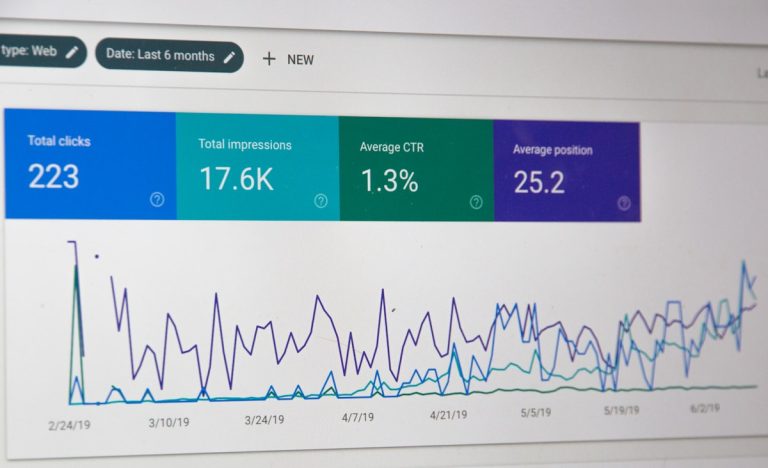
Tracking organic growth used to be simple. You checked your rank tracker once a week, looked at Google Analytics to monitor traffic, and adjusted your target keywords accordingly. Today, that approach leaves massive blind spots in your data.

Here is why manual tracking methods fail in the modern landscape:
1. Fragmented Tools Waste Time and Budget
Most businesses use five different subscription platforms: one for rank tracking, one for backlinks, one for social media monitoring, another for content drafting, and a fifth for site audits. The costs add up quickly, often exceeding hundreds of pounds every month. More importantly, switching between disjointed dashboards makes it almost impossible to get a clear view of your overall organic growth.
2. Lack of Visibility in AI Engine Outputs
Standard tools like Ahrefs, SEMrush, or Moz are great for historical keyword metrics, but they were built for traditional search. They do not show you whether ChatGPT recommends your brand when a potential client asks for the best solutions in your niche. If you lack insights into AI mentions, you are blind to a huge segment of modern consumer journeys.
3. Delayed Actionable Insights
By the time a monthly agency report reaches your desk, the data is already outdated. Modern digital marketing moves too fast for passive reporting. You need real-time data to pivot your content strategy, update underperforming pages, and capture emerging search trends immediately. You can streamline your whole workflow by opting to automate your SEO with AI and eliminate tedious manual analysis forever.
Key Metrics for Modern SEO and AEO Monitoring
To accurately measure your digital footprint, you must track metrics across both search engines and AI platforms. Here are the core indicators you should focus on.
Traditional SEO Metrics
- Organic Traffic & Conversions: The volume of users visiting your site from non-paid search results and completing a desired action.
- Keyword Rank Distribution: Tracking where your target keywords sit on search engine results pages (SERPs).
- Return on Investment (ROI): Evaluating the profitability of your organic search efforts by comparing the revenue generated against the operational costs of your strategy. A positive ROI proves your approach works, while a negative ROI signals that adjustments are required.
Next-Generation AEO and GEO Metrics
- AI Citation Share: How often your brand URL or domain is cited as a source in generative search summaries.
- Generative Brand Sentiment: Whether AI platforms describe your product positively, neutrally, or negatively when queried by users.
- Share of Model (SoM): The percentage of prompt responses in your niche that mention your business over your key competitors.
When you bring these two metric sets together, you gain total clarity on your organic presence across the entire web.
Comparing Marketing Platforms: Traditional Suites vs AI CMO
Many legacy platforms dominate the market, but their features do not always align with the fast-evolving needs of growing businesses and startups.
SEMrush and Ahrefs
These tools offer fantastic data depth for technical backlink audits and keyword research. However, they act primarily as reporting databases. They show you what is happening, but they do not execute the work for you. You still need an in-house team or an agency to analyze the data, write content, and optimize pages.
HubSpot and Marketo
These platforms are enterprise-grade marketing automation suites. They excel at email workflows and lead management, but they come with heavy price tags and steep learning curves. Furthermore, they lack native automated tools designed specifically to track and optimize for AI generative engines.
The AI CMO Advantage
AI CMO bridges these gaps by combining tracking, content strategy, and multi-channel marketing automation into a single, user-friendly platform. Instead of just delivering charts, AI CMO operates 24/7 to continuously optimize your site for both traditional SEO and modern GEO.
Instead of paying massive retainer fees to agencies, you get an automated partner that works around the clock. You can easily enhance your local visibility across dynamic generative engines without increasing operational overhead.
How AI CMO Automates SEO and GEO Operations
Let’s break down how an all-in-one AI platform simplifies your daily digital marketing operations.

Real-Time Performance Tracking
Instead of waiting for weekly updates, AI CMO delivers continuous performance tracking. It monitors your traditional keyword positions alongside AI engine citations. If a page drops in ranking or loses context in generative engine answers, the platform flags the issue and suggests structural fixes instantly. Maintaining an accurate SEO performance tracking routine becomes effortless when AI handles the heavy lifting in the background.
Data-Driven Content Generation
Creating authoritative content takes hours of research, drafting, and editing. AI CMO automates content strategies by analyzing real-time search trends and intent patterns. It crafts highly targeted, optimized blog articles and landing pages tailored specifically to answer user queries clearly, ensuring high visibility on both Google and conversational search engines.
Continuous 24/7 Optimization
Digital search never sleeps, and neither should your optimization engine. AI CMO works around the clock, evaluating page performance, updating metadata, and discovering new target keywords. This automated cycle ensures your web assets adapt instantly to algorithm changes and shifting consumer habits.
To take full control of your search growth with automated execution, you can boost your search rankings now with custom strategies built for speed and scale.
Practical Steps to Master Generative Engine Optimization
If you want your business to dominate AI search results starting today, follow these practical steps:
- Format Content for Direct Answers: Structure key insights using concise bullet points, clear H2/H3 subheadings, and bold summary text. AI models prefer well-structured content that is easy to extract.
- Focus on Original Data and Unique Value: Generative engines love quoting original statistics, proprietary insights, and real-world case studies. Avoid publishing generic summaries that add no new perspective.
- Build Brand Entity Relevance: Ensure your business details, products, and core services are mentioned consistently across directory sites, press releases, and industry publications. This helps LLMs connect your brand name directly with your sector.
- Adopt Multi-Channel Consistency: Align your blog posts, social media updates, and web pages around identical core themes. AI models scan broad datasets across the web, so cross-channel consistency strengthens your brand presence.
- Track and Adjust Continuously: Do not leave your content static after publishing. Monitor how AI tools display your brand and refresh outdated figures or statements regularly to maintain high context relevance.
You can master GEO targeting with AI to stay ahead of your competitors in modern search results.
The Future of Organic Visibility: Unified Marketing Automation
Search is no longer a one-dimensional game focused solely on Google rankings. As AI engines become the primary discovery portal for millions of consumers, businesses must pivot their strategies. Relying on slow agencies and a mountain of bloated software subscriptions is a recipe for falling behind.
By adopting an integrated AI marketing automation strategy, small to medium-sized businesses can compete with enterprise brands on a level playing field. Platforms like AI CMO handle operational intricacies silently in the background, freeing you up to focus on high-level growth and business vision.
Ready to simplify your analytics, reduce operational overhead, and dominate both traditional and generative search? Take the direct path to growth with an all-in-one platform designed for modern business needs. Check out AI CMO: Unified AI Marketing Automation for Digital Growth and take complete control of your digital visibility today.