The Evolution of Analytics: Why Modern Growth Requires AI
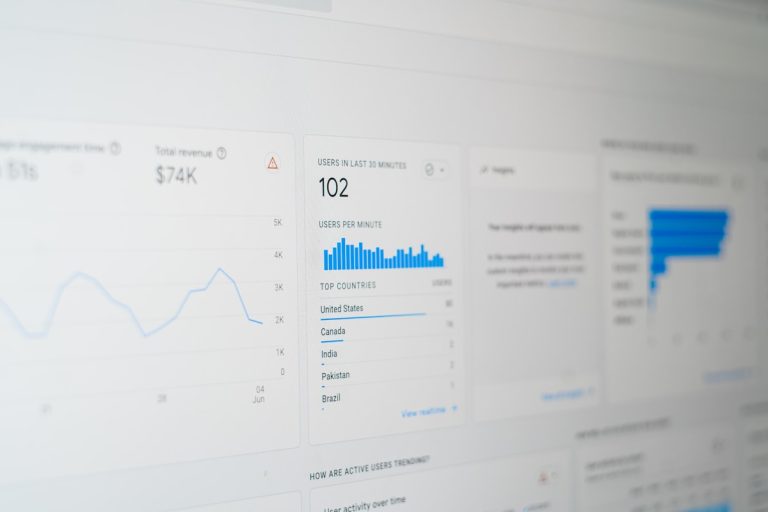
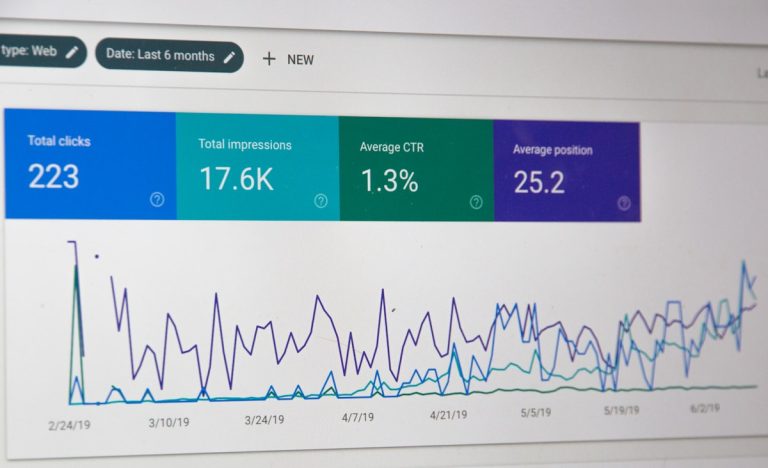
Let us be honest for a moment. Spending six hours every Friday copying numbers from Google Analytics and Google Search Console into a massive spreadsheet is a painful waste of your time. Traditional dashboards, like those offered by standard tools such as ReportGarden, certainly help pull scattered data into charts. They make the numbers look prettier for clients. But a pretty chart does not fix a drop in organic traffic, nor does it tell you what to publish next Tuesday. When you rely on traditional tools, you are still doing all the heavy lifting yourself. That is why modern digital marketing requires AI CMO: Unified AI Marketing Automation for Digital Growth to transform how we approach automated SEO reporting.
By shifting from manual data gathering to intelligent execution, you stop acting like a data processor and start acting like a strategist. Legacy platforms focus on showing you what happened last month. AI CMO takes that data, analyses the underlying search trends, and actually executes the necessary optimizations for you. This transition from passive metric tracking to active, automated optimization ensures your business scales its search presence without inflating operational overhead.
Traditional Reporting vs AI-Driven Execution: The Real Gap
Most reporting software on the market serves a single purpose: visualization. Tools like ReportGarden aggregate metrics into neat pie charts and line graphs. That is fine if your only goal is showing a client how many sessions they received last month. But what happens when rankings stall? A standard dashboard won’t write your next blog post or tweak your geographic targeting to pull in local leads.
Here is where the gap lies between simple reporting and true automation:
- Data Aggregation vs Active Optimization: Standard tools fetch metrics from multiple APIs. An AI platform analyses those metrics and actively updates your search strategy in real time.
- Static Insights vs Dynamic Execution: Traditional software leaves you with a list of problems to solve. AI CMO handles the operational complexities of search engine and generative engine optimization 24/7.
- Fragmented Tooling vs Unified Ecosystems: Instead of paying for separate tracking, reporting, and content creation platforms, a unified system brings everything under one roof.
When you Automate Your SEO with AI, you eliminate the need to bridge the gap between analysis and action manually.
The Hidden Cost of Manual Data Extraction
If you run an agency or manage marketing for a small business in Europe, time is your most expensive asset. Let us look at the real math behind manual data workflows:
| Workflow Stage | Traditional Approach | AI CMO Approach |
|---|---|---|
| Data Collection | 3-5 hours per client weekly pulling from GA4 & GSC | Automated instantly via continuous background tracking |
| Insight Analysis | 2 hours interpreting ranking drops & bounce rates | Instant AI diagnostics with automated strategic adjustments |
| Content Execution | 5-10 hours drafting, tweaking, and optimizing updates | Automated data-driven content generation tailored to target topics |
| Client Delivery | Manual PDF export and email scheduling | Real-time, transparent client dashboards |
When you sum up those hours across multiple accounts, you realize that traditional reporting isn’t just tedious, it’s draining your profit margins.
Moving Beyond Standard Tracking to Generative Engine Optimization (GEO)
Search is no longer just about classic blue links on Google. Modern buyers use AI search assistants and conversational discovery engines to find solutions. Traditional platforms track basic organic keywords, but they completely miss how your brand performs in generative search environments.
To maintain real online authority, your tracking strategy must adapt to Generative Engine Optimization (GEO).

Tracking regional demand and AI search visibility requires tools that understand local context. When you Master GEO Targeting with AI, your reporting moves beyond generic position metrics. You gain full visibility into how conversational AI tools index and recommend your brand to localized audiences.
Midway through your growth journey, it becomes clear that relying on old metrics keeps you stranded in the past. You need an engine that unifies traditional organic metrics with modern AI visibility. Harnessing automated SEO reporting allows you to focus on high-level growth strategies while smart automation keeps your search rankings moving upward.
How AI CMO Transforms Strategic Reporting Into Revenue
Why do clients cancel marketing contracts? It is rarely because the reports look messy. They cancel because they cannot see a clear link between organic traffic and actual revenue growth.
AI CMO bridges this gap by turning complex analytics into clear, actionable outcomes:
- Continuous 24/7 Performance Monitoring: Instead of waiting for a monthly report, performance metrics are continuously analysed to identify sudden rank shifts or content decay immediately.
- Data-Driven Content Strategies: Instead of guessing what to write next, the platform generates custom strategies based on live search performance, keyword movement, and competitive gaps.
- Unified Multi-Channel Integration: Organic search does not exist in a vacuum. Integrating your SEO insights with multi-channel marketing efforts guarantees consistent messaging across every digital touchpoint.
By replacing fragmented tools like SEMrush, Moz, or standard dashboard creators with a single, hands-on automation system, small businesses and marketing teams can drastically cut tool expenditure while securing faster, measurable results.
Steps to Transition from Manual Analytics to Full AI Autopilot
Making the switch from legacy reporting tools to an integrated AI marketing engine is straightforward. You do not need a team of developers or weeks of onboarding.
Step 1: Centralize Your Metrics
Stop logging into five different platforms every morning. Connect your digital touchpoints into one central dashboard to establish a clear baseline of your current organic reach.
Step 2: Shift Focus to GEO and Intent
Keyword volume alone is a vanity metric. Focus on search intent and regional context. Make sure your strategy includes hyper-local positioning so you capture high-intent buyers in your specific market. You can Enhance Your Local Visibility by deploying targeted local content strategies effortlessly.
Step 3: Automate Strategy and Content Creation
Once your data is unified, let the artificial intelligence take over routine operational tasks. From identifying ranking opportunities to drafting optimized content that fills organic gaps, let software handle the busywork. To streamline this process immediately, you can Start Your SEO Autopilot and free up your schedule for executive planning.
The Verdict: Stop Reporting on History, Start Automation Today
Legacy reporting software like ReportGarden laid the groundwork by making spreadsheets visual. But in today’s fast-moving digital landscape, visualising past performance simply is not enough. You need a system that reads the data, makes smart decisions, and executes optimizations continuously.
AI CMO replaces fragmented tools, reduces agency costs, and delivers actionable, real-time strategy straight to your business. If you are ready to scale your organic presence without spending your weekends trapped in analytics dashboards, it is time to upgrade your tech stack.
Take the leap today and scale your business with automated SEO reporting powered by true digital marketing intelligence.