Why Most Dynamic Ad Optimisation Fails Before It Even Starts
Let us be completely honest about paid marketing. Most businesses throw money into ad networks, cross their fingers, and check their dashboards three days later only to find their budget went down the drain. You set up split tests, build variations, and wait for slow reporting engines to tell you what happened last weekend. That is not genuine dynamic ad optimization; that is just an expensive guessing game played on borrowed time. When algorithms take days to alert you that your conversion rate dropped off a cliff, you are not steering the ship, you are just mopping up the wreckage.
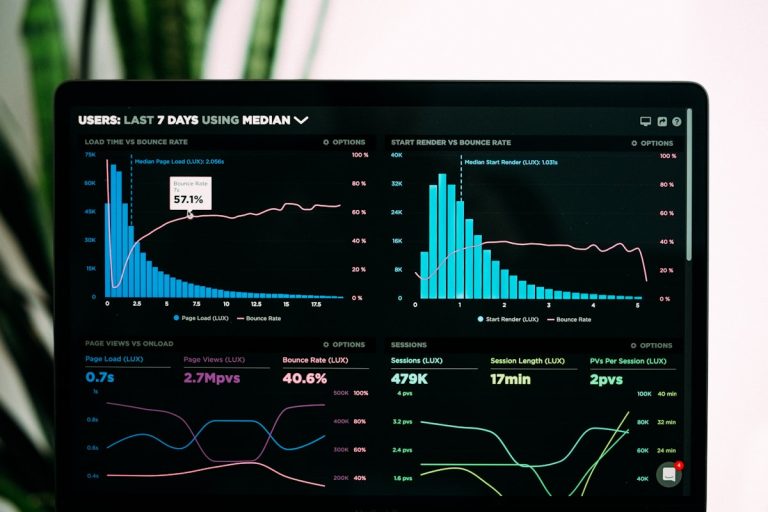
True dynamic ad optimization demands immediate, closed-loop telemetry. Recent academic research into high-velocity media streaming shows that ad performance requires micro-batch pipelines, live event correlation, and predictive attention modelling to work properly. Traditional agencies cannot pull this off because humans cannot manually tweak bids, creatives, and channel allocations every three seconds. That is why modern teams are turning to AI CMO: Unified AI Marketing Automation for Digital Growth to bridge the gap between heavy computer science and everyday digital marketing. When your tracking moves at the speed of live data, your ad spend finally works as hard as you do.
The Academic Blueprint: Streaming Analytics in Plain English
Computer scientists have spent years figuring out how to evaluate ad performance during high-volume live broadcasts. In research papers on streaming analytics, engineers look closely at high-velocity ingestion pipelines: using systems like Apache Kafka, Flink, and in-memory caches to study viewer telemetry in real time.
The goal of this research is straightforward:
* Ingest millions of viewer engagement signals every single second without lag.
* Correlate viewing drop-offs directly with specific ad creatives.
* Score ad fatigue before the audience tunes out completely.
* Calculate conversion probabilities on the fly using live machine learning inference.
In university labs, researchers call this framework the Adaptive Multi-layer Streaming Analytics Framework. In simple terms: do not wait for batch reports at midnight. Listen to every signal as it happens, calculate the trend instantly, and alter the delivery pipeline right away.
While academic papers focus on massive systems for live television broadcasts and edge computing networks, the underlying principles apply directly to digital marketers running paid campaigns across web channels, social feeds, and search engines.
The SME Bottleneck: Why Traditional Marketing Falls Behind
If the mathematics behind streaming ad delivery have existed in academic papers for years, why are smaller businesses still struggling with clunky spreadsheets and slow dashboards?
The answer comes down to fragmentation and cost. Most small to medium-sized enterprises (SMEs) and growing startups are stuck choosing between two bad options:
1. Hiring expensive agencies that charge thousands in monthly retainers, only to send static PDF reports once a month.
2. Juggling ten separate software subscriptions: one for keyword research, one for copy generation, one for analytics, and another for social scheduling.
None of these tools talk to each other cleanly. While a digital marketing agency debates your creative direction over coffee, your live campaigns are burning capital on ad variants that stopped converting hours ago.
This is where traditional workflows collapse. A business needs its organic search visibility, local discovery, and paid promotions aligned. If your organic content strategy does not inform your paid campaigns, you end up bidding against yourself or missing out on regional demand. If you want to fix organic search while sorting out your paid engine, you can Automate Your SEO with AI and remove manual operational drudgery from the equation completely.
Translating Academic Data Pipelines into Practical Execution
To make academic streaming theory work for a growing brand, you do not need to hire five data engineers or manage cloud infrastructure yourself. What you actually need is an automated marketing layer that performs three specific tasks around the clock:
1. Ingestion of Multi-Channel Signals
Every time an ad loads, a user scrolls past, or a customer clicks, a signal is created. Instead of siloing Google Ads, Meta insights, and on-site analytics, a unified platform absorbs these data points together. This gives you a clear picture of true buyer intent across channels.
2. Predictive Ad-Fatigue Scoring
In research papers, predictive models analyse second-screen habits to tell if a viewer is getting bored. In performance marketing, dynamic ad optimization spots ad fatigue early: when click-through rates dip slightly while impressions remain steady. The system flags tired copy before your cost-per-acquisition doubles.
3. Automated Creative Adaptation
Once fatigue is detected, you cannot wait two weeks for a copywriter to produce five new headlines. An automated AI system generates fresh, highly relevant variations on demand. It pulls from real-time customer search queries and your core offerings, deploying new copy instantly.
By bringing these steps together, AI CMO delivers 24/7 automated dynamic ad optimization without requiring you to write a single line of backend code.

Why Local Intent and GEO Targeting Matter for Dynamic Ads
Real-time ad systems must also account for location. Ad relevance is not just about what people see; it is about where they are when they see it.
Academic architectures look at regional edge computing nodes to serve relevant local broadcast feeds. In digital marketing, this translates directly to GEO targeting. A campaign running in London might require entirely different messaging, pricing framing, or calls to action than one served to buyers in Manchester or Edinburgh.
When your platform tracks local engagement trends in real time, it shifts ad budgets toward the regions showing the highest intent. Instead of burning cash on national campaigns with generic copy, you can Master GEO Targeting with AI to pin ad variants directly to the geographic pockets generating actual returns.
Comparing Solutions: Legacy Toolkits vs Unified Automation
Let us look at how the market currently handles campaign tracking and optimization:
- Legacy SEO & Analytics Suites (such as SEMrush or Moz): Excellent for deep backlink exploration and historic ranking metrics. However, they are built for analysis, not autonomous execution. They hand you raw charts and tell you to fix things manually.
- Traditional Marketing Clouds (such as HubSpot or Marketo): Comprehensive inbound platforms, but complex and expensive. They often lack real-time autonomous adjustments for paid search, display, and search visibility.
- Point Solutions (Canva, Mailchimp, Sprout Social): Helpful for specific tasks like graphics, email blasts, or social posting. Yet, they remain completely siloed, leaving you to manually connect the dots.
- Unified AI Marketing Platforms: An AI-driven CMO combines real-time data ingestion, content creation, organic search optimisation, and paid campaign oversight into a single operational interface.
When you switch from fragmented tools to an autonomous system, you stop managing dashboards and start directing high-level strategy. To secure long-term organic authority while your paid ads are humming along, you should Start Your SEO Autopilot to keep your search footprint growing on its own.
Putting Dynamic Optimization to Work
If you are tired of opaque agency fees and disconnected spreadsheets, moving to automated tracking is simpler than you might think. Here is how modern businesses roll it out:
- Connect your core touchpoints: Bring your website, paid platforms, and content distribution together into one unified dashboard.
- Set your boundary conditions: Decide your target customer profile, primary value propositions, target regions, and maximum budget thresholds.
- Turn on autonomous tracking: Let the system monitor impressions, dwell time, and conversion signals 24 hours a day.
- Automate the iteration cycle: Allow the AI to test headline variations, rebalance bids across performing regions, and refresh tired creative copy automatically.
- Feed learnings back into organic strategy: Use winning ad copy angles to create informative blog posts, landing pages, and local search assets.
If you are eager to expand footfall or capture specific territories, you can Enhance Your Local Visibility alongside your dynamic campaigns to dominate regional search results.
The Future of Marketing belongs to Autonomous Execution
Academic literature makes one thing clear: the future of media consumption moves too fast for human-scale reaction times. Whether in live broadcast telemetry or digital search and social ads, sub-second latency and continuous data feedback loops win every time.
You no longer need an enterprise budget or a dedicated department of data engineers to take advantage of streaming analytics concepts. By unifying dynamic ad optimization, organic search operations, and geographical targeting under an intelligent, hands-on platform, you can scale your business efficiently without ballooning your overheads.
Stop wasting your marketing budget on stale campaigns and laggy reporting. Take control of your digital growth today by discovering how dynamic ad optimization powered by AI CMO can transform your marketing into a reliable, automated growth engine.