The Solo Founder Dilemma: Scaling Without the Agency Price Tag
Running a business by yourself is brilliant right up until you look at your marketing backlog. You are the product designer, customer service desk, billing department, and operations manager. Expecting one person to also run technical audits, write weekly articles, monitor backlinks, and handle social distribution is absurd. Traditional software platforms claim to help, but they usually just hand you thirty confusing dashboards and a hefty monthly invoice. To scale effectively, solo operators need a unified all-in-one AI marketing setup that bridges strategy and verified execution, rather than another point solution that merely points out errors.
When you use modern systems designed specifically to automate operational tasks, your routine changes overnight. Instead of paying thousands of pounds to opaque marketing agencies or wasting weekend hours trying to understand complex keyword difficulty scores, you can establish an automated growth flywheel. If you want a hands-on system that handles research, technical hygiene, and execution while you retain strategic direction, explore how solopreneurs scale growth with AI CMO. Let us dive into why traditional toolkits fall short for single-operator setups and how you can run high-impact campaigns on complete autopilot.
The Toolkit Illusion: Why Solopreneurs Get Stuck
Most software platforms aimed at independent founders, like Semrush, offer remarkable data. You can log in, check keyword databases, run technical site crawls, and see what your rivals are targeting. On paper, it sounds like everything a small business needs.
In practice, there is a catch: data is not execution.
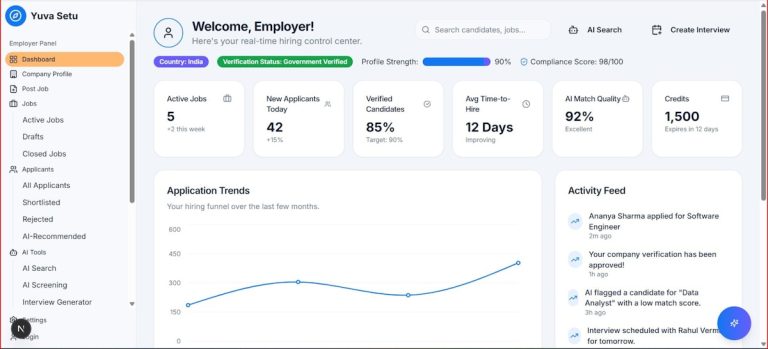
When you open traditional analytics software, you get a massive to-do list. The dashboard flags 47 missing meta tags, 12 broken links, 4 competitor content gaps, and an endless list of high-volume keywords. For an enterprise team with five full-time copywriters and an in-house developer, that information is golden. For a solo founder working from a kitchen table in Manchester, it is just stressful noise.
You do not lack information. You lack the operational bandwidth to turn numbers into published assets. Traditional suites show you where you are falling behind, but they leave the entire heavy lifting on your shoulders. You still have to spend hours writing drafts, fixing technical crawl bugs, formatting CMS entries, and scheduling social snippets. To understand the operational workflow of managing multiple touchpoints seamlessly, review our guide on how to manage multi-channel with aiCMO.
From Point Tools to Autopilot: The Architectural Difference
The fundamental difference between point platforms and modern AI systems is the leap from analysis to action.
Traditional tools function like a digital microscope. They highlight every flaw on your website and show you how fast your competitors are sprinting. An autonomous marketing operating system functions like a co-pilot. It runs the microscope, determines what needs attention, drafts the solution, prepares the code or content updates, and puts everything in front of you for a single approval click.
Consider how content production usually works:
* The Manual Route: You research search volumes on an SEO platform, paste keywords into a separate document, draft an 800-word piece, run it through an on-page optimiser, copy it into WordPress, format the images, write the meta tags, publish, and then draft social snippets manually. Total time spent: five to seven hours.
* The Autopilot Route: The system evaluates your current rankings, discovers a low-competition gap, writes an in-depth article matched to your brand tone, arranges the technical tags, and stages it for your review. Total time spent: ten minutes.
You can streamline this entire pipeline immediately when you automate your SEO with AI, cutting down manual content creation without sacrificing quality or brand voice.
When you look at the economics, the difference is clear:
| Feature | Legacy SEO Toolkits | Modern AI Marketing OS |
|---|---|---|
| Primary Output | Raw metrics, charts, to-do lists | Executable content and code changes |
| Time Investment | 10 to 15 hours weekly | Under 1 hour weekly for review |
| Technical Fixes | Explains the bug | Stages the correction automatically |
| Multi-Channel | Separate subscriptions needed | Unified cross-platform distribution |
| Local / GEO Focus | Basic rank checks | Live local signal optimisation |
Cracking the Local and Conversational Search Barrier
Search habits are shifting faster than traditional ranking trackers can record. Potential buyers no longer rely strictly on ten blue links on Google. They use conversational engines, digital assistants, and geo-targeted mobile queries to find answers instantly.
If your marketing strategy only focuses on basic nationwide keywords, you miss out on high-intent local buyers. Modern marketing requires constant local presence maintenance, verifying your business details across registries, updating regional landing pages, and tracking geo-specific relevance. When you master GEO targeting with AI, you ensure your business remains top of mind whenever local prospects search for your exact services.
Furthermore, artificial intelligence engines now read websites directly to synthesise answers. If your content lacks structured schema, clear entity definitions, and precise topical authority, these generative engines simply skip past your brand. You can run a quick check on your current visibility using our walkthrough on how to check your brand’s AI visibility to see how conversational models view your authority right now.
Maintaining Absolute Control: Human-in-the-Loop Governance
The biggest fear most solopreneurs have with automation is simple: quality control. Nobody wants an unhinged bot publishing robotic, generic text on their company blog or broadcasting embarrassing posts to LinkedIn.
This is why modern AI systems discard black-box generation in favour of governed, human-in-the-loop controls.
An effective AI marketing engine acts as your Chief Marketing Officer, not a rogue freelancer. It analyses your site data, drafts comprehensive strategies, and handles the manual construction work. However, the system never pushes an asset live without your explicit approval.
Through clear action logs and signed confirmations, every staged update, from a technical title tag change to a complete deep-dive article, is shown to you in a preview window. You approve it, request a tweak, or reject it. You get all the operational power of a dedicated six-person agency while keeping complete strategic ownership over your brand identity. For single founders scaling up rapidly, unified AI marketing automation for digital growth delivers enterprise-grade performance without the typical operational overhead.
Step-by-Step: Setting Up Your Solo Growth Machine
Building an automated marketing routine does not require months of setup or custom API coding. You can get an automated engine running in an afternoon.
1. Connect Your Core Channels
Begin by connecting your primary touchpoints. Instead of juggling six disconnected software logins, link your primary web property and publishing channels directly to your central operating system. If you run your business on common CMS platforms, you can link everything instantly using tools like our WordPress Plugin beta to bridge the gap between AI generation and actual web publication.
2. Establish Brand Tone and Technical Parameters
Your business has a unique point of view. Feed your brand guidelines, customer personas, and industry positioning into the engine. This prevents bland, formulaic outputs and ensures that all scheduled assets sound like they came directly from your desk.
3. Let the System Map Quick Wins
Once connected, the engine reviews your search rankings, identifies broken technical elements, and highlights high-converting topics where competitors have left gaps. It builds a rolling marketing roadmap focused on realistic organic gains.
4. Review and Authorise Staged Updates
Check your notifications once or twice a week. Review the drafted content pieces, inspect the suggested internal links, glance over the technical fixes, and hit approve. The platform distributes the content, updates the metadata, and monitors performance automatically. You can start your SEO autopilot right away to start capturing search traffic without sacrificing your weekends.
The Long-Term Compounding Effect for One-Person Brands
When you are a solopreneur, consistency is the hardest discipline to maintain. You get busy servicing clients for three weeks, so marketing stops completely. Then client work wraps up, you realise your sales pipeline is empty, and you panic-publish three blog posts and a dozen social updates.
This feast-or-famine cycle kills organic visibility. Search engines reward platforms that steadily add value, fix errors, and expand topical authority over time.
By offloading the daily operational grind to an automated system, your marketing runs continuously in the background. Even during your busiest delivery weeks, your technical site health stays sharp, fresh content goes live, and local signals remain active. Over six to twelve months, this steady consistency produces massive compounding gains in domain authority, brand recall, and inbound leads.
Stop treating marketing like an exhausting second job. Modern marketing software should do the work, not just point out your chores. When you combine high-level strategy with automated multi-channel execution, you can effortlessly punch above your weight class and outpace teams ten times your size. If you are ready to stop managing fragmented dashboards and start scaling on your own terms, activate your AI marketing system today.