The Dashboard Trap: Rethinking Campaign Performance Analytics in B2B
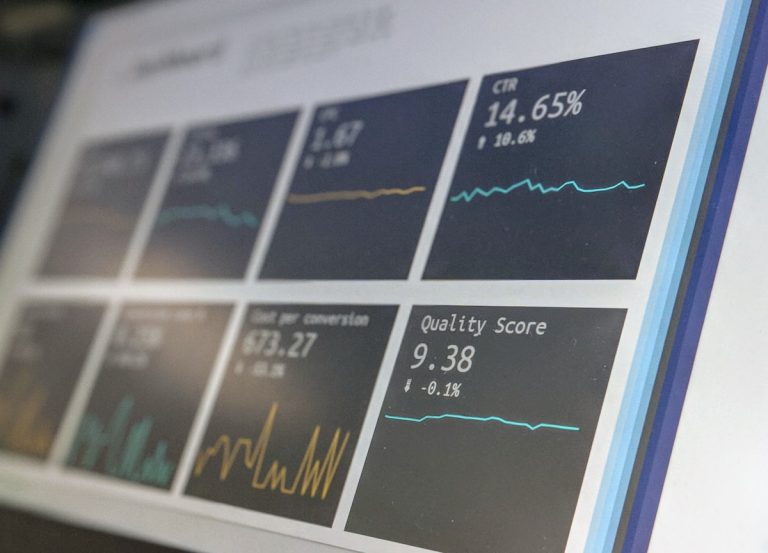
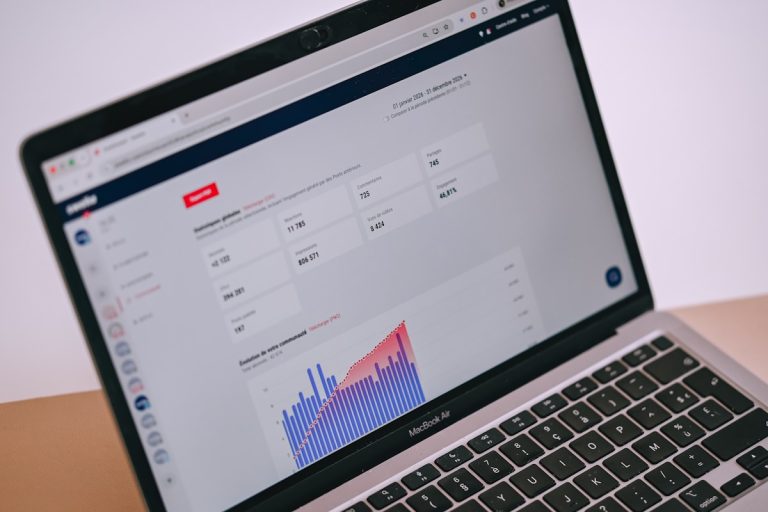
Every B2B marketer knows the dreaded weekly routine. You open five different tabs: Google Ads, your CRM, a web analytics platform, LinkedIn Campaign Manager, and an attribution dashboard like Dreamdata. You spend three hours manually connecting dots, filtering out junk impressions, and trying to prove that a £4,000 paid search spend actually turned into pipeline. When you rely solely on specialised reporting layers, you are left with endless charts, but nobody to actually do the hard graft of fixing what is broken. That is why modern growth teams are turning to AI CMO: Unified AI Marketing Automation for Digital Growth, stepping away from passive reporting and moving towards autonomous execution where data instantly drives live optimisations.
Traditional reporting tools split your world into microscopic slivers. They tell you that a prospect from a target account clicked a YouTube ad 60 days ago, browsed your pricing page, and then vanished. You get pretty reports on ad groups, bid goal experiments, and impression share, yet your team still spends forty hours a month debating what content to produce or which geo-regions deserve more budget. Honest campaign performance analytics should not just show you where your money went; it should actively step in to fix underperforming assets, update landing pages, and scale organic reach without requiring an army of analysts.
The True Limitation of Niche Attribution Tools
Tools like Dreamdata do a commendable job tackling the native flaws of ad platforms. We all know the standard gripes with Google Ads:
- It stops tracking cookies after 90 days, while typical B2B enterprise deals take six to nine months.
- It measures isolated individuals instead of complex buying committees with six distinct decision-makers.
- It lives in a silo, ignoring your organic reach, offline touches, and community interactions.
To counter this, niche attribution software builds separate dashboards for Search, Display, and Video. They calculate attributed revenue, introduce search impression share metrics, and help you map out negative keywords.
That sounds brilliant on paper. But here is the catch: what happens after you spot the problem?
Imagine your bid goal report reveals that an aggressive bidding strategy on your primary industry term delivers high clicks but zero qualified opportunities. Or suppose your search query report shows that irrelevant traffic is eating 30% of your budget. In a traditional analytics setup, the tool simply sits there. It cannot rewrite your ad copy. It cannot launch a targeted organic content campaign to capture that demand organically. It cannot adjust your local search footprint.
You are paying enterprise software fees merely to buy yourself a massive to-do list.
Moving Beyond Observation to Autonomous Execution
Understanding your numbers is useful; having an automated system that reacts to those numbers in real time is transformative. If you want sustainable pipeline growth, your measurement stack must talk directly to your execution engine.
Instead of paying for multiple fragmented tools, small and medium enterprises need continuous, hands-on automation. When you pair deep insight with immediate execution, your operational costs plummet. You no longer need separate subscriptions for keyword tracking, attribution modelling, multi-channel scheduling, and freelance copywriters.
To bridge the gap between discovery and organic ranking, forward-thinking teams choose to Automate Your SEO with AI, ensuring that any gaps identified by search data are filled immediately with search-ready resources.
Here is how modern automated platforms change the daily workflow:
- Continuous Discovery: The system monitors your live traffic and buyer intent signals 24/7.
- Immediate Content Response: When high-intent queries appear, the engine creates targeted assets to rank organically, bypassing expensive ad auctions.
- Regional Realignment: If local conversion data indicates high pipeline velocity in specific European territories, the system shifts focus on the fly.
Deep-Dive Analytics: Google Ads Dashboards vs Full-Funnel AI
Let us look closely at what niche platforms celebrate as breakthrough updates:
1. Granular Channel Dashboards
Niche platforms often separate search, display, and video into three distinct panels. While this isolates metrics like View Rates and Cost Per View, it creates cognitive overload. B2B buyers do not experience your brand in isolated silos. A prospect might see a video on Monday, read an organic technical guide on Wednesday, and click a branded search ad two weeks later. When you unify these touchpoints into an integrated framework, you stop treating channels like competing departments.
2. Bid Goal and Impression Share Analysis
Seeing that your search impression share is low while your revenue attribution is high tells you one simple thing: increase your bids. But paid bidding wars are expensive. A smarter alternative is identifying those profitable themes and creating authoritative content around them. Why keep paying £15 per click for a term when an automated organic engine can capture that top spot permanently?
3. Geographical Performance
Knowing which countries yield pipeline is critical. Traditional dashboards provide a geo-performance tab so you can manually reallocate budget. In contrast, an automated system can dynamically tune your presence. You can Master GEO Targeting with AI to ensure regional buyers discover location-specific landing pages and targeted messages automatically, without manual spreadsheet work.
Why Modern Marketers Need Holistic Campaign Performance Analytics
When you run growth campaigns, vanity metrics are dangerous distractions. Click-through rates, impressions, and even raw lead counts do not keep the lights on. In B2B, revenue velocity is the only metric that truly counts.
Achieving complete visibility over your buyer journey requires tying your marketing data directly to business outcomes:
| Metric Type | Traditional Reporting Setup | Modern Unified AI CMO Approach |
|---|---|---|
| Data Scope | Isolated to paid ad networks and CRM links | Multi-channel: SEO, GEO visibility, paid, and organic |
| Actionability | Passive alerts; requires manual marketer intervention | Active; triggers real-time content and targeting fixes |
| Time to Impact | Months spent analysing, configuring, and tagging | Measurable organic ranking and visibility gains within weeks |
| Resource Cost | Expensive analyst hours plus high platform fees | Single automated platform handling strategy and execution |
If you are spending half your week piecing together CSV exports, it is time to upgrade. You can implement true campaign performance analytics directly through a streamlined interface that connects insights to daily operations without enterprise overhead.
Closing the Gap Between Organic Authority and Paid Search
A major blind spot of paid-focused attribution dashboards is that they treat organic search as a secondary channel. They inform you which queries triggered an ad, leaving you to guess how that impacts your broader search footprint.
If your paid analytics demonstrate that buyers searching for specific software capabilities generate your highest contract values, your immediate priority should be dominating those terms organically. Paid ads vanish the second your credit card stops running; organic presence compounds over time.
By deploying continuous content operations, you build authority on the exact topics your prospects care about. You can Start Your SEO Autopilot to capture persistent search volume, steadily lowering your blended customer acquisition cost and reducing your reliance on expensive PPC bidding.
At the same time, regional differences cannot be ignored. A buyer in the UK searches with different terminology and intent than a buyer in Germany or Scandinavia. Traditional reporting merely highlights that conversion rates differ across borders. A proactive solution immediately responds by refining your local search posture. You can Enhance Your Local Visibility across distinct European territories to capture local demand before your rivals even notice the trend.
The Verdict: Stop Looking at Graphs, Start Automating Results
Specialised attribution dashboards have their place for large enterprises with dedicated data science departments. But if you run an ambitious startup, an agile agency, or a growing business, you do not need more charts to inspect. You need more work taken off your plate.
The future of marketing does not belong to platforms that merely report what went wrong yesterday. It belongs to unified systems that see what is happening right now and take immediate, intelligent action.
Instead of managing a fragmented stack of SEO checkers, geo-trackers, social schedulers, and attribution dashboards, modern teams rely on unified automation. You eliminate agency retainers, reduce tool bloat, and get back to high-level strategic thinking while artificial intelligence handles the tedious operational grunt work.
Ready to see how intelligent automation transforms your growth pipeline? Discover how AI CMO: Unified AI Marketing Automation for Digital Growth unifies your tracking, content production, and multi-channel marketing into a single, high-performing growth machine.