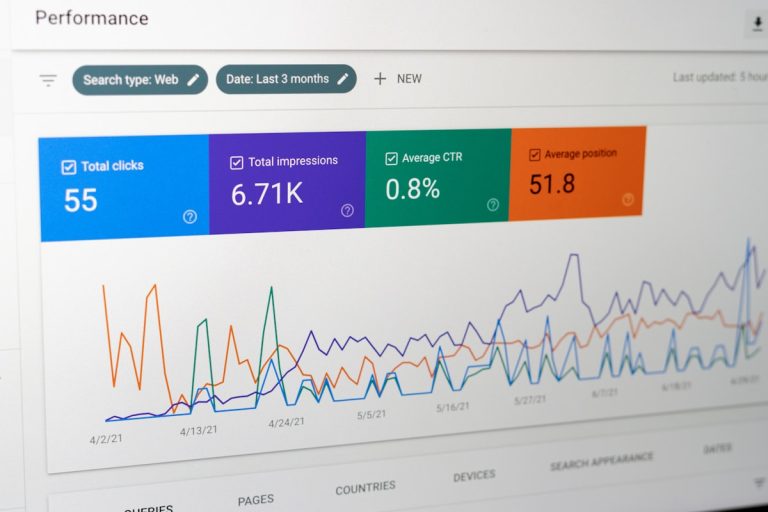
The Search Engine Meltdown: Why Your Traffic Disappeared Overnight
If your organic clicks dropped off a cliff lately, you are not imagining things. Over half of all web queries now end without a single click. People do not scroll through ten blue links anymore. Instead, they open ChatGPT, ask Perplexity for advice, or read Google’s AI summary at the top of the screen. Traditional search engine tactics are running on fumes because machines, not humans, are reading your content first. To survive this shift, modern businesses need systematic GEO campaign optimization to ensure generative models actually recommend their brand. When you tap into GEO campaign optimization with AI CMO, you step into a workspace that actively structures your content for large language models, pulling your brand directly into generative answers.
The rules of online discovery have fundamentally flipped. Traditional search engines reward keyword density and backlinks, but generative engines reward clarity, authoritative citations, and logical data hierarchy. If an AI model cannot parse your value proposition in milliseconds, you simply do not exist in its conversational answers. Managing this transformation manually requires endless hours, expensive retainers, and fragmented software stacks. That is why modern marketing teams rely on automated intelligence to run round-the-clock strategies, ensuring their websites get cited, sourced, and surfaced where buyers actually look today.
What is Generative Engine Optimization (And Why Should You Care)?
Generative Engine Optimization (GEO) is the process of structuring your digital footprint so artificial intelligence tools pick your brand as their primary reference. Think of it this way: traditional search was like organising a library shelf so a visitor could spot your book spine. Generative search is like teaching the head librarian your core concepts so they quote you every time someone asks a question.
When users head to Perplexity or ChatGPT, they do not want a list of URLs. They ask questions like:
* “What is the best workflow automation tool for a small marketing team?”
* “Which European logistics supplier offers sustainable packaging on short notice?”
* “Compare the top customer support platforms for mid-sized retailers.”
If your business is not embedded within the training sets, real-time browsing indices, or structured answers of these models, you lose the deal before the customer even sees your landing page. Running a deliberate strategy ensures your data is clean, accessible, and authoritative enough for generative bots to ingest and quote accurately.
The Problem with Old Marketing Agencies and Bloated Tool Stacks
Traditional agencies are having a hard time keeping up. They still send you monthly spreadsheets tracking vanity keywords on search pages that nobody clicks anymore. Meanwhile, they charge thousands of pounds in retainers while their junior staff manually tweak meta titles.
On the flip side, trying to do this yourself often turns into a nightmare of fragmented subscriptions:
* One subscription for keyword research (like SEMrush or Ahrefs).
* Another platform for technical audits (like Moz).
* A separate customer relationship suite (like HubSpot).
* Different tools for social distribution and newsletter scheduling.
None of these platforms talk to each other cleanly. None of them run hands-on execution for generative engines. You end up sitting with plenty of graphs, zero automation, and a massive bill.
Smart businesses are moving away from manual operations. Setting up SEO Automation with AI CMO allows teams to hand over routine technical work to autonomous systems, cutting operational overhead while keeping content constantly refreshed for search spiders.
The Core Pillars of Practical GEO Campaign Optimization
Executing an effective strategy does not require magic. It requires disciplined technical formatting, clear information architecture, and continuous updates.
1. Optimize for AI Interpretability
Large language models love structure. If your website is a wall of vague text, an AI bot will skip it for a competitor’s page that uses clean tables, direct definitions, and clear headings.
* Schema Markup: Use detailed schema tags (like FAQ, HowTo, and Product markup) so bots understand what you sell without guessing.
* Direct Answers: Start your subheadings with clear, single-sentence answers before diving into nuanced explanations.
* Visual Context: Bots analyse visual data now. Use descriptive alt tags that describe not just what an image is, but what concept it illustrates.
2. Establish Source Authority
Generative engines prioritise content that looks like consensus truth. To make the cut:
* Cite real-world industry benchmarks and verified studies.
* Use unambiguous, factual statements rather than subjective marketing fluff.
* Keep your brand entity details consistent across every directory, review platform, and profile online.
If your local footprint matters just as much as your broad search reach, you can Master GEO Targeting with AI to ensure regional directories and geo-specific prompts highlight your physical locations.
3. Run Regular AI Prompt Audits
Do you know what generative tools say about your business right now? Go to ChatGPT or Claude and type: “What are the best alternatives for [your product category]?”
If your company does not appear, your online footprint has an authority blind spot. Analysing these prompt results reveals exactly which competitors are dominating conversational queries and what sources the AI cites when explaining their advantages.
Agency Services vs. Unified AI Marketing: Where Traditional Methods Fall Short
Take a look at how conventional agency workflows measure up against modern, automated solutions:
| Feature / Capability | Traditional Agency Model | Standalone Tool Stack | Unified AI Marketing Platform |
|---|---|---|---|
| Primary Focus | Manual SERP ranking updates | Raw data analytics and tracking | Automated multi-channel execution |
| Turnaround Time | Weeks or months for content | Manual authoring required | Continuous 24/7 optimization |
| Generative Search Readiness | Minimal; mostly old SEO tactics | Static keyword suggestions | Native GEO campaign optimization |
| Cost Profile | High monthly retainers | Multiple expensive subscriptions | Predictable, scalable software pricing |
| Operational Effort | Endless check-in meetings | Heavy internal manual labour | Set your rules and let AI handle tasks |
Agency retainers make sense when you need bespoke creative branding, but paying humans to conduct routine technical audits, basic drafting, and indexing tasks is an outdated approach.
You can streamline this entire workflow. By choosing to Automate Your SEO with AI, your business keeps its website fully aligned with changing search criteria without paying hefty hourly consulting rates.
How to Conduct an Intelligent GEO Campaign in Four Steps
Putting this into practice is straightforward when you follow a repeatable blueprint.
Step 1: Map Your Core Entity
AI search engines build web graphs. They connect your brand to related terms, problems, and solutions. Make sure your “About” page, product descriptions, and home page clearly state who you are, what you produce, and who you help. Ditch the jargon. Use simple nouns and clear verbs.
Step 2: Build Answer-First Content
Format every piece of content to solve an explicit problem immediately. Place short, bulleted summaries right below your main titles. When a user asks an AI platform for a quick breakdown, the model can easily lift your bulleted list as the direct answer.
To keep your digital footprint competitive across all platforms, deploying GEO campaign optimization tools from AI CMO lets you maintain continuous, multi-channel relevance while tracking performance shifts in real time.
Step 3: Integrate Voice and Conversational Intent
Real people do not speak like search engines. They do not type “best CRM small business 2026.” They say: “Which CRM handles automated follow-ups without requiring a developer to set it up?”
Write conversational content. Address the actual pain points your customers raise during sales calls. The closer your text mirrors real dialogue, the more likely generative engines will select it for conversational answers.
Step 4: Monitor Generative Citations
Track where your brand gets referenced inside generative summaries. If an AI engine quotes an old blog post with outdated pricing, update that post immediately. Generative models refresh their reference caches frequently; keeping your legacy content accurate is just as critical as publishing new articles.
You can further protect your organic footprint when you Boost Your Search Rankings Now through continuous, automated metadata adjustments and content health monitoring.
Staying Resilient Against Algorithmic Changes
Generative search will continue to evolve rapidly. The platforms we use today will receive algorithm updates tomorrow. Attempting to track every minor update manually is a recipe for burn-out, especially for small teams with limited budgets.
Automating your workflow ensures you stay agile. Instead of spending your week tweaking individual headings or parsing endless spreadsheets, an automated system identifies drop-offs, adjusts technical metadata, and drafts targeted updates based on current search trends. This leaves you free to focus on broader business operations, product quality, and direct customer relationships.
Ensuring your business appears prominently in conversational results is no longer optional. When you Enhance Your Local Visibility, you future-proof your organisation against shifting user habits, guaranteeing that both local and global buyers discover your services effortlessly.
The Future Belongs to Proactive Brands
Waiting for search engines to stabilise is a losing strategy. They are not going back to the old ways. Consumers have tasted the convenience of direct, conversational answers, and they are not interested in clicking through ten commercial links to find a basic solution.
Winning in this landscape comes down to acting early. Brands that embrace structured, authoritative, and automated content delivery today will become the trusted sources that AI engines cite for years to come.
Take control of your digital reach today. Explore how AI CMO: Unified AI Marketing Automation for Digital Growth can automate your daily marketing workflows, master modern search engines, and scale your brand visibility without the friction of agencies or disconnected toolsets.