Why Real-Time Visibility Beats Legacy Analytics
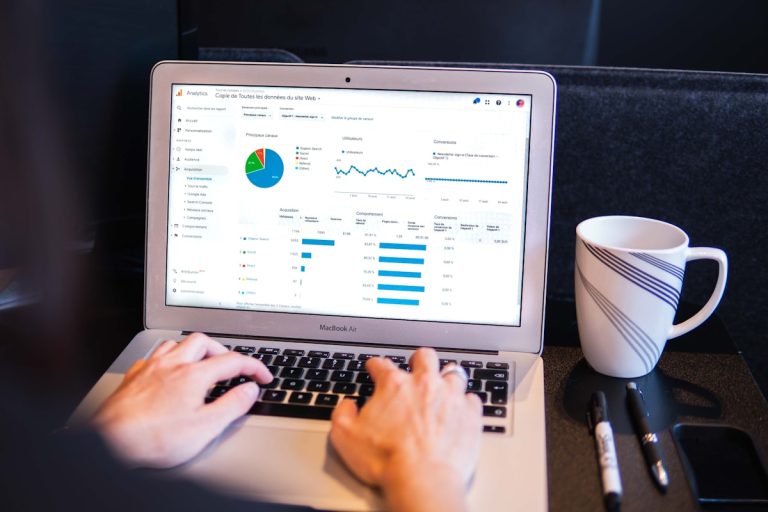
Let us be completely honest with each other. Traditional search engine optimization requires way too many browser tabs. You open Google Analytics 4, fire up Google Search Console, log into SE Ranking or SEMrush, and suddenly you are drowning in conflicting metrics. You spend four hours trying to figure out why your rankings dropped on Tuesday, only to realize you were staring at outdated cached data. Effective SEO performance tracking should clear up confusion, not create more work for your afternoon. When you streamline your monitoring routine, you stop guessing and start making moves that actually shift your organic revenue.
That is precisely why modern marketing teams are ditching disjointed dashboards for unified intelligence. Instead of manually stitching together spreadsheets every Friday, smart operators rely on automation to handle the heavy lifting. If you want to take total control over your digital reach without paying extortionate agency retainer fees, you can master SEO performance tracking with AI CMO today. By bringing real-time search engine tracking, generative engine monitoring, and multi-channel metrics into a single intuitive view, you get crystal-clear insights without the operational headache.
The Problem With Traditional SEO Tracking Tools
Remember when checking rankings meant opening a rank tracker, typing in 50 keywords, and waiting twenty minutes for a progress bar?
Legacy platforms like Ahrefs, Moz, and SE Ranking are brilliant for historical research. Nobody is denying that. But when it comes to daily execution, they act like passive observers. They tell you that your rank plummeted six positions three days ago. Thanks for the heads up, right? But what are you supposed to do about it right now?
Here is where traditional SEO tracking breaks down for busy startups and small businesses:
- Data Overload: You get thousands of data points, but zero guidance on what to fix first.
- Delayed Feedback Loops: You wait days or weeks to notice algorithm shifts or technical glitches.
- Lack of Direct Action: A tool tells you a page lacks context, but you still have to write the content yourself.
- Fragmented Visibility: Traditional platforms focus purely on classic Google SERPs, completely ignoring local GEO visibility and AI search answers.
If your marketing stack feels like a second full-time job, you are doing it wrong. The objective is not to collect data like a collector; the goal is to make quick adjustments that drive pipeline growth.
To bridge this gap, modern teams use automated SEO performance tracking tools that monitor your web health 24/7 and automatically correct issues before rankings slip.
Core Metrics You Actually Need to Track
Do not track fifty metrics just because your software lets you. You will lose your mind. Focus on the core signals that actually influence your bottom line.
1. Organic Search Visibility & Keyword Trends
Search visibility measures how often your domain shows up in search queries compared to your main competitors. If your search visibility climbs while your main target keywords move into the top three positions, your strategy is working. Keep an eye on commercial and transactional keywords rather than vanity terms that bring zero revenue.
2. Conversions and User Engagement
Clicks mean nothing if visitors leave three seconds later. You need to know if organic visitors actually buy, sign up, or request a demo. Keep a close watch on engagement rates, session duration, and event conversions inside your dashboard.
3. Generative Engine & Local GEO Visibility
Google is no longer just a list of ten blue links. Today, searchers get answers directly from AI overviews, map packs, and localized snippets. If your SEO performance tracking does not account for Generative Engine Optimization (GEO) and local search presence, you are missing half the picture.
Want to dominate local search results without manually tweaking regional metadata every single week? You can boost your local GEO visibility with AI CMO to ensure your business stays visible across regional search queries and map packs effortlessly.
How AI CMO Transforms SEO Performance Tracking
Let us look at how unified AI automation stacks up against the old way of doing things.
Midway through any optimization campaign, you usually hit a wall where manual tracking eats up all your strategic planning time. This is where AI CMO changes the game. By combining multi-channel analytics, search visibility monitoring, and content execution under one roof, you eliminate agency overhead completely.
Instead of just showing you a red arrow when traffic drops, the platform pinpoints the underlying cause. Is it a technical indexing issue? Did a competitor publish a better targeted page? Did your page load speed slip on mobile? The platform pinpoints the issue and suggests or executes the exact fix needed.
If you are ready to stop analyzing static charts and start seeing automated improvements, upgrade your SEO performance tracking setup to get clear, actionable insights in real time.
Setting Up an Effortless Performance Monitoring Workflow
Tracking your site progress does not need to consume your entire working week. Follow this simple three-step workflow to streamline your analysis.
Step 1: Establish Your Core Baselines
Before launching any content campaign, capture your existing baseline metrics. Identify your top 20 revenue-driving keywords, current domain trust score, average monthly organic traffic, and local map rankings.
Step 2: Automate Daily Monitoring
Stop manually pulling reports every morning. Set up automated alerts for sudden ranking drops, indexing errors, or competitor movements. When your tracking runs quietly in the background, you free up mental bandwidth for high-level marketing strategy.
You can put your search strategy on autopilot to ensure your content stays optimized and your rankings remain protected around the clock.
Step 3: Shift to Clear Impact Reporting
Whether you are reporting to board members, executive managers, or just tracking progress for your own store, ditch technical jargon. Focus on simple charts that connect ranking improvements directly to organic leads and customer acquisition costs.
Local Search and Generative Engines: The New Frontier
Standard search tracking is only half the battle today. With the rise of AI-driven search engine answers, potential buyers often get recommendations without ever clicking a traditional blue link.
If your brand is not mentioned in AI summaries or local map packs, your organic presence will suffer over time. AI CMO tracks your presence across both traditional search engines and generative AI answers, ensuring your brand stays top of mind regardless of how users search.
To secure your spot in regional queries and modern AI search answers, optimize your local search rankings with AI CMO today.
Take Control of Your Search Growth Today
Monitoring your digital footprint should not feel like rocket science. You do not need five expensive tool subscriptions or a dedicated agency team just to keep track of your search rankings.
By switching to unified, AI-driven SEO performance tracking, you get total transparency over your growth, instant insights when issues arise, and automated tools to fix problems on the fly. You save thousands of pounds in operational expenses while keeping your brand front and centre on search engine result pages.
Ready to simplify your analytics, eliminate tool clutter, and accelerate your organic visibility? Start optimizing your search tracking with AI CMO and take complete control of your digital growth today.