The Death of Manual Bidding: Why Online Stores Need Smart Systems
Running pay-per-click advertising for an e-commerce store used to be straightforward. You picked a few high-intent keywords, set a daily budget, wrote basic ad copy, and watched sales roll in. Today? It is a constant battle against rising Cost Per Acquisition (CPA), shifting platform rules, and fast-moving competitors. Managing bids manually across Google Ads, Shopping, and social platforms feels like running on a treadmill that keeps speeding up. If you spend all your time tweaking micro-bids and checking keyword performance, you lose sight of high-level strategy. This is why modern store owners rely on PPC campaign automation to scale operations effortlessly, cutting operational overhead while protecting profit margins.
Automating your ad strategy does not mean handing over your credit card to an algorithm and praying for results. It means building a lean system that uses artificial intelligence to make real-time decisions based on live sales data. Instead of spending hours in spreadsheets fixing bids, intelligent tools constantly tweak performance in the background. In this guide, we break down how to transition from legacy, manual ad workflows to a fully automated growth engine. We will explore how smart ad management works, compare single-purpose tools with unified platforms, and show you how to lower your acquisition costs while boosting Return on Ad Spend (ROAS).
The Hidden Flaws of Legacy E-Commerce PPC Software
Traditional PPC optimization platforms have been around for years. Software like Adspert or native platform bidding rules promised to solve ad management headaches by applying basic machine learning algorithms to your campaigns. They adjust bids up or down depending on historical conversion rates across channels like Google Ads, Microsoft Advertising, and Amazon Ads.
While these platforms save time compared to manual adjustments, they suffer from a major structural limitation: they operate in a total vacuum.
A point solution designed solely for ad bidding only looks at paid traffic metrics. It cannot see how your organic search rank affects your ad performance. It does not adjust your bidding aggression based on local search trends or real-time brand visibility shifts. This creates fragmented marketing operations. You end up paying for one tool to adjust PPC bids, another to track organic rank, a third to monitor local search performance, and an expensive agency to tie the mess together.
When your paid ad software fails to communicate with your organic search strategy, you waste money bidding on keywords you already dominate organically. To fix this, modern teams are moving away from isolated point solutions toward unified, cross-channel intelligence.
How PPC Campaign Automation Scalably Boosts Your ROAS
How does ad automation actually drive profitability for online retail stores? It comes down to four core operational upgrades:
- Real-time bid adjustments: Instead of reviewing keyword data weekly, automated systems analyze auction signals every minute. They adjust bids for time of day, device type, user geography, and audience behaviour automatically.
- Dynamic budget reallocation: When a specific product category sees a surge in buying intent, smart systems shift budget away from underperforming campaigns toward high-converting ad sets instantly.
- Continuous keyword pruning: Algorithms identify negative keywords early, stopping wasted ad spend before it burns through your daily limit.
- Data-driven testing: Automated platforms test ad copy variations, landing page alignment, and bidding strategies systematically, eliminating human bias from creative choices.
When you remove manual friction from bid adjustments, your ad account moves from reactive firefighting to proactive growth. By integrating SEO Automation to support your paid search keywords, you build a compound effect where paid ads and organic rankings fuel each other automatically.
Bridging Paid Ads and Organic Search with AI
One of the biggest mistakes e-commerce brands make is treating PPC and SEO as completely separate departments. They run Google Shopping ads for product terms while an organic content team targets the exact same keywords without sharing insights.
When you connect paid campaign data with organic positioning, magic happens. If your PPC automation detects that a specific long-tail keyword yields a massive conversion rate at a low acquisition cost, that insight should immediately feed your content strategy. Conversely, if your store ranks number one organically for a high-volume phrase, you can lower your PPC bids on that term to avoid paying for clicks you would get for free.
By leveraging GEO Visibility tactics to dominate search rankings alongside paid campaigns, you capture total search engine real estate. AI tools can automatically monitor local query trends, adjust location-based ad targets, and ensure your brand dominates search engine results pages from every angle.
Comparing Legacy Tools vs The Unified AI CMO Advantage
To understand where ad management is headed, it helps to compare traditional single-purpose tools against unified marketing platforms.
| Feature / Capability | Legacy PPC Tools (e.g., Adspert, Native Bidding) | The Unified AI CMO Platform |
|---|---|---|
| Core Focus | Bidding algorithms only | Multi-channel strategy, SEO, GEO, and PPC |
| Data Scope | Paid ad performance metrics | Integrated organic, local, and paid data |
| Channel Support | Select ad channels | Full-funnel digital presence automation |
| Setup Complexity | High manual rule configuration | Simple, intuitive hands-on setup |
| Agency Reliance | Still requires marketers for strategy | Eliminates reliance on costly external agencies |
Single-channel tools require constant oversight. You still have to decide on the overall strategy, track search engine shifts, and manage external content teams. A unified platform operates as a 24/7 digital growth team. It identifies underperforming channels, automates routine operational tasks, and provides real-time performance tracking so you can focus on inventory, fulfillment, and product development.
If you are tired of juggling fragmented dashboards, adopting AI CMO for unified digital marketing execution lets you replace multiple subscription fees with a single, highly efficient automated tool.
Step-by-Step: Setting Up Automated Ad Tweaking for E-Commerce
Ready to automate your ad operations? Follow this straightforward, step-by-step setup framework to ensure your campaigns deliver maximum return without manual hassle.
Step 1: Define Clear ROAS and CPA Guardrails
Before turning on any automated bidding system, you must establish strict profit margins. Calculate your break-even Cost Per Acquisition (CPA) and minimum acceptable Return on Ad Spend (ROAS) for every product category. Input these parameters directly into your software. This prevents automated tools from overbidding on competitive keywords that yield unprofitable sales.
Step 2: Clean Up Your Product Data Feed
Automated campaign management relies entirely on accurate data inputs. For Google Shopping and social catalogue ads, ensure your product feed is fully optimized. Title tags should include brand name, product type, colour, size, and critical specifications. High-quality feed data allows automation engines to match search queries with relevant products accurately.
Step 3: Implement Automated Ad Copy and Bid Rules
Set system triggers for campaign adjustments based on performance thresholds. For example:
* Rule A: If a keyword receives 50 clicks with zero conversions over 7 days, automatically pause the keyword and add it to the negative keyword list.
* Rule B: If an ad group achieves a ROAS 20% above the target, increase daily budget allocation by 10%.
Step 4: Synchronise Organic and Paid Data Streams
Link your search console and organic rank tracking tools with your paid ad management platform. Use automated scripts or built-in software rules to monitor organic positions. When organic visibility drops for a core commercial query, automatically increase PPC bids to defend brand search engine real estate. When organic rankings reach the top spot, dial back paid bids to protect margins.
Step 5: Monitor and Scale Cross-Channel Performance
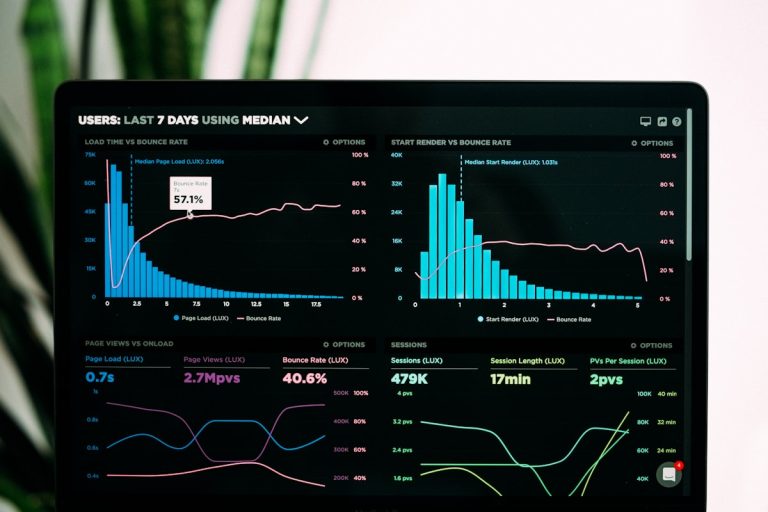
Automation does not mean ignoring your account entirely. Check your performance dashboard weekly to evaluate macro-level trends. Look at overall store revenue, total customer acquisition costs, and channel contribution. Let the AI handle micro-adjustments, keywords, and hourly bidding while you focus on scaling your brand’s product catalog and strategic partnerships.
Take Control of Your Store Growth
Relying on manual campaign adjustments or overpriced marketing agencies is no longer a viable strategy for growing e-commerce brands. Single-function bidding tools leave money on the table because they ignore the bigger picture. By adopting automated workflows that connect paid advertising with continuous search engine optimization, you create an agile marketing system that adapts to consumer behaviour in real time.
Stop drowning in campaign management spreadsheets and losing margin to inefficient ad spend. Start your free trial with AI CMO today and let smart automation transform your e-commerce growth strategy.