Why Automated PPC Tracking is Revolutionising Digital Advertising
Managing pay-per-click ad campaigns manually is a relentless chore. Small business owners and digital marketers often find themselves trapped in an endless cycle of tweaking keyword bids, adjusting dayparting schedules, and sifting through mountains of disjointed reporting data. Switching to automated PPC tracking with AI CMO transforms this chaotic routine into a streamlined, high-performing system. By collecting performance data automatically and applying intelligence to every click, modern tools allow you to eliminate wasted ad spend while drastically improving your return on investment.
This comprehensive guide breaks down everything you need to know about setting up, managing, and scaling your ad tracking without relying on bloated agency retainers or overly complicated manual rule setups. We will compare traditional rule-based platforms with modern artificial intelligence engines, answer your most pressing pay-per-click questions, and explore how unifying paid search with organic optimization delivers sustainable growth for modern brands.
What Is Automated PPC Tracking and How Does It Work?
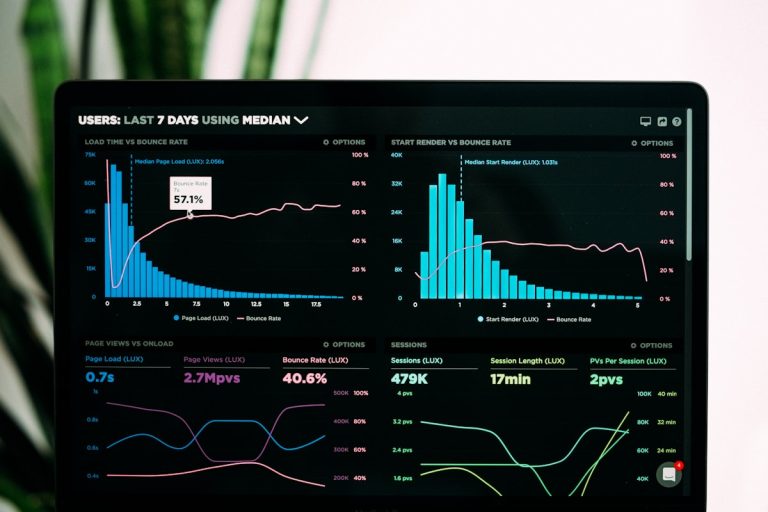
At its core, automated PPC tracking is the process of using software algorithms to monitor, record, and optimize paid ad performance in real time. Rather than checking your search accounts every morning to manually pause underperforming keywords or raise bids on high-converting search terms, automated tracking handles these operational intricacies continuously behind the scenes.
Traditional platforms usually rely on manual rule sets. For example, a user might instruct a dashboard to lower bids by 10% whenever a keyword achieves a high Advertising Cost of Sales (ACoS) over a seven-day window. While this is better than doing nothing, manual rules are rigid. They fail to account for broader context, seasonal spikes, or subtle changes in user behavior across channels.
Modern artificial intelligence takes this process a step further. An AI marketing engine does not just follow static triggers, it analyses real-time performance trends across search engine results, landing pages, and regional targeting metrics. By monitoring conversion data 24/7, an intelligent platform automatically adjusts targets, reallocates budgets to high-converting hours, and flags wasted clicks before they drain your daily ad funds.
When you connect paid tracking with SEO Automation, your marketing machine works from both ends. High-performing paid keywords can instantly inform your organic content strategy, while strong search rankings allow you to scale back paid spend on terms you already dominate organically.
Rule-Based PPC Automation vs Unified AI: The Critical Differences
When shopping for ad management software, you will encounter two primary choices: legacy rule-based tools and unified AI platforms. Understanding how they differ is essential for choosing the right path for your business.
Legacy Rule-Based Tools
Platforms such as traditional Amazon or Google PPC software give users access to extensive rule libraries. You might set up individual triggers such as:
* An ACoS Reducer to create negative target keywords when conversions fall below a set threshold.
* A Wasted Click Eliminator to purge low-converting search queries.
* A Dayparting Rule to lower spend during midnight hours.
While these tools offer fine-grained control, they come with significant hidden drawbacks. The biggest issue is rule conflict. If you set one rule to increase bids on high-impression keywords and another rule to decrease bids based on total target spend, the two triggers can actively fight each other. Your ad account ends up in a ping-pong battle of bid changes, killing campaign momentum and wasting money. Additionally, managing dozens of overlapping manual rules quickly becomes as time-consuming as managing the ads directly.
Unified AI Platforms
Unlike legacy software, AI CMO takes a holistic approach to ad management. Instead of forcing you to build, test, and troubleshoot a maze of conditional rules, an AI-driven platform acts as an autonomous marketing co-pilot.
The AI monitors campaign data continuously, assessing how bid adjustments affect organic positioning, local visibility, and overall acquisition costs simultaneously. If you want to expand your reach, you do not need to configure complex keyword harvesting loops manually. The system identifies top-performing search queries, evaluates their profitability, and integrates them into your broader digital workflow.
By pairing continuous paid search optimization with GEO Visibility tools, small businesses can ensure their paid ads and local search profiles work together to capture maximum market share in targeted regions.
Frequently Asked Questions About Automated PPC Tracking
To help you clear up common misconceptions, here are straightforward answers to the questions digital marketers ask most often when automating their paid advertising efforts.
1. Can I run multiple tracking rules without damaging my campaigns?
With traditional rule-based platforms, running multiple tracking rules simultaneously is possible, but risky. If conditions overlap, one rule might increase a keyword bid while another rule decreases it minutes later. This creates erratic performance data and destabilizes ad placement algorithms.
With AI CMO, this problem is eliminated entirely. Because an AI engine evaluates your target business goals rather than isolated conditional statements, it handles bid adjustments, negative keyword additions, and budget pacing inside a single unified machine-learning model.
2. How does automated ad tracking prevent wasted ad spend?
Automated PPC tracking guards your budget by monitoring conversion velocity and search query logs in real time. When the system detects a search term accumulating clicks without yielding sales, it immediately flags or negates that term.
Furthermore, intelligent tracking identifies specific hours or days of the week when your target audience is least likely to convert. By automatically reducing bids during these dead zones through intelligent dayparting, you preserve your daily budget for peak shopping windows.
3. Why do ad metrics differ between live ad consoles and third-party tracking tools?
It is common to notice slight discrepancies between live platforms (like Google Ads or Amazon Ads Console) and third-party automated dashboards. Live ad consoles display real-time event streams that are subject to immediate attribution updates and ongoing fraud filters.
Third-party automation platforms typically sync performance data at structured intervals to process deeper statistical analytics and prevent temporary platform glitches from triggering false bid changes. This brief sync interval ensures that your automated PPC tracking decisions are built on stable, reliable trend data rather than momentary blips.
4. What is the ideal starting budget for PPC tracking automation?
While automation algorithms can operate on almost any budget, having sufficient data velocity is key to fast optimization. For small businesses in Europe or the UK, a monthly campaign ad spend of roughly £1,000 to €1,000 provides enough conversion data for machine-learning algorithms to identify patterns and refine target bidding quickly. If your budget is smaller, combining paid campaigns with automated PPC tracking solutions helps ensure that every single pound spent is tracked with pinpoint precision.
5. Does campaign structure impact tracking performance?
Yes, campaign structure remains vital. Even the most sophisticated AI works best when given a clean, logically organised campaign hierarchy. Grouping similar products or services together and separating high-performing target keywords from generic testing terms allows the automated system to allocate budgets effectively and spot growth trends faster.
Linking Paid PPC Tracking with Organic SEO and GEO Strategies
Focusing purely on paid clicks is an expensive way to grow a business. Once you stop paying for ads, your traffic drops to zero. True digital growth happens when you integrate your automated PPC tracking insights directly into your long-term organic strategies.
Turning PPC Keywords into Organic Assets
Every paid ad campaign serves as a fast, high-value testing ground for market messaging. Your ad analytics show you exactly which headline phrases, value propositions, and search queries generate actual revenue.
Instead of leaving those insights locked inside your paid search account, unified platforms feed high-converting paid keywords straight into your organic content queue. By using SEO Automation features, you can automatically generate search-optimised articles and landing pages centered around the exact search terms that proved profitable in your paid ads.
Enhancing Local Search with GEO Targeting
For businesses serving specific geographic regions or localized customer segments, paid ads are only half the battle. If a prospect sees your paid ad but cannot find clear, local proof of your services on search maps or generative AI engine answers, you lose credibility.
Integrating paid performance data with GEO Visibility strategies ensures your brand dominates both paid search positions and organic generative AI search responses. This multi-channel approach builds trust, lowers your effective cost-per-acquisition, and ensures prospective buyers encounter your business wherever they look online.
How Small Businesses Eliminate Agency Costs with AI CMO
For years, small and medium enterprises faced a difficult choice: spend dozens of hours every week trying to manage complex ad dashboards manually, or pay expensive digital agencies thousands of pounds a month in management fees.
AI CMO fundamentally changes this dynamic by delivering enterprise-level marketing automation in an intuitive, hands-on tool.
| Feature | Traditional Agencies | Legacy Rule Tools | Unified AI CMO Platform |
|---|---|---|---|
| Setup Complexity | Low (Agency handles it) | High (Manual setup required) | Low (AI handles configuration) |
| Monthly Management Cost | High (£1,500+ retainers) | Medium (SaaS subscription) | Low (Affordable unified software) |
| 24/7 Real-Time Optimization | No (Manual periodic reviews) | Partial (Rigid static rules) | Yes (Continuous AI monitoring) |
| Multi-Channel Integration | Varies (Often fragmented) | No (Channel specific) | Yes (Unified PPC, SEO, & GEO) |
| Risk of Rule Conflicts | N/A | High | Zero (Fully unified system) |
By consolidating paid tracking, search engine optimization, and local visibility management into a single platform, AI CMO eliminates the need for fragmented point tools and opaque agency retainers. You retain complete visibility and control over your strategic direction while artificial intelligence handles the complex operational intricacies 24 hours a day, 7 days a week.
Take Control of Your Paid Campaigns Today
Relying on manual bid adjustments and rigid conditional rules is a recipe for wasted budgets and slow growth. Modern digital marketing demands an agile, integrated approach where paid tracking data immediately fuels your entire online presence.
With intelligent automated PPC tracking, you can eliminate manual guesswork, avoid rule conflicts, and ensure every ad pound yields maximum returns. When combined with automated search engine optimization and regional GEO targeting, your business gains a scalable, transparent engine designed for sustainable, long-term success.
Ready to simplify your ad workflows and transform your marketing performance? Start optimizing with AI CMO today and take complete control of your digital growth journey.