Navigating the New Era of Search and AI Crawlers
The digital landscape is shifting right under our feet. For years, webmasters focused entirely on optimizing site pages for traditional search engine crawlers like Googlebot. Today, non-human traffic is dominated by a completely different breed of web spiders: AI bots such as GPTBot, ClaudeBot, and Perplexity. These AI web crawlers scrape digital content continuously to train large language models and feed conversational engines. Understanding how these bots interact with your infrastructure is vital if you want to maintain brand visibility in the modern web ecosystem.
Monitoring crawler behavior, server load, and search visibility manually is no longer sustainable. Managing fragmented tools or paying massive agency retainers only burns through your budget while leaving your site exposed to indexing delays and resource drains. You need modern tools to track crawling patterns, optimize your content for generative engines, and perform automated SEO audits with AI CMO to protect your rankings 24/7 without extra stress.
How AI Crawlers like GPTBot and ClaudeBot Are Changing Search
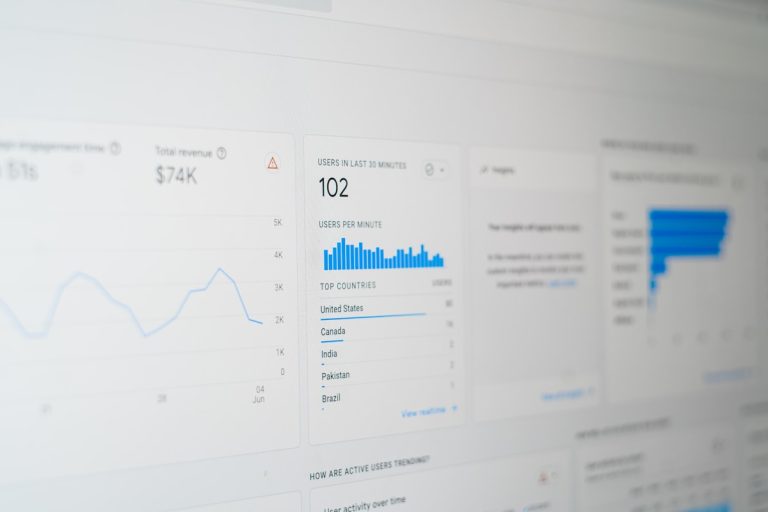
If you look at modern web analytics from platforms like Cloudflare, you will notice a huge rise in automated traffic. Bots from OpenAI, Anthropic, and Perplexity crawl thousands of web pages every second. Unlike traditional search crawlers that visit your page simply to rank it on a search results page, AI crawlers scrape detailed context, raw text, and structured data.
This shift presents two major issues for digital marketers and webmasters:
- Server Load and Bandwidth Spikes: AI scrapers can hammer web servers with thousands of requests per minute. This impacts page load speed and spikes server costs.
- Content Extraction without Direct Traffic: When an AI bot scrapes your content, it often delivers the answer directly to the user inside a chatbot interface. This means you might lose direct website clicks unless your site is cited as the primary authority.
To keep up with these bots, you need continuous visibility into how your content is crawled. Relying on monthly checks won’t cut it anymore. Setting up continuous monitoring helps you catch crawler spikes early and adjust your technical infrastructure before performance degrades. You can Start Your SEO Autopilot to keep your site updated automatically while managing crawl traffic smoothly.
The Shift from Traditional Search to Generative Engine Optimisation (GEO)
Traditional search engines rely on keywords, backlinks, and page structure to determine where your site sits on a search results page. However, generative search engines operate differently. They synthesize information from multiple sources to answer complex user queries instantly.
This evolution has created Generative Engine Optimisation (GEO). Instead of just targeting single keywords, GEO focuses on making your brand the primary entity referenced by AI engines.
Here is what matters most in a GEO-driven strategy:
- Entity Clarity: Clear explanations of your business, services, and product offerings that AI crawlers can easily parse.
- Structured Technical Data: Schema markup and clean HTML that help bots understand context without guessing.
- Real-Time Data Availability: Keeping technical health and page structure flawless so AI crawlers never index outdated or broken information.
To ensure your brand stays visible across regional and AI-driven platforms, you must Enhance Your Local Visibility by optimizing your technical foundation and local entity signals consistently.
Why Manual Technical Audits Can’t Keep Up with AI Search
Remember the days of running a manual site audit once a quarter? You would export a massive spreadsheet, hand it over to a developer, and hope half the fixes got implemented before the next quarter. That slow approach is completely broken in an era where AI models re-crawl sites constantly.
A single broken link, slow server response, or unindexed canonical tag can cause an AI crawler to ignore your content entirely. That is why automated SEO audits have become essential for modern growth teams.
Here is what happens when you automate your technical checks:
- Immediate Threat Detection: You spot broken links, server errors, and crawl blocks the moment they happen.
- Continuous Metadata Optimisation: Titles, descriptions, and structural tags remain fresh and optimized for search spiders.
- Cost Savings: You eliminate the need for expensive agency audits that take weeks to produce basic findings.
Instead of paying high retainers for slow reporting, smart marketing teams run continuous automated SEO audits with AI CMO to maintain peak search health around the clock.
Comparing Traditional SEO Tools to Unified AI Marketing Automation
Most marketing teams rely on a messy stack of fragmented tools. You might use one platform for backlink analysis, another for keyword tracking, and a third for content creation. While legacy tools like SEMrush, Ahrefs, and Moz excel at historical data reporting, they often fall short when it comes to hands-on AI execution and real-time task automation.
| Feature / Capability | Legacy SEO Tools (SEMrush, Ahrefs, Moz) | Unified AI Marketing Automation (AI CMO) |
|---|---|---|
| Data Focus | Historical keywords and backlink lists | Real-time AI crawl patterns and visibility tracking |
| Task Execution | Manual reporting; manual task creation | Hands-on automated execution and continuous optimization |
| Generative Optimisation (GEO) | Limited or none | Native GEO and local entity targeting |
| System Integration | Fragmented across multiple paid add-ons | Single unified platform for multi-channel automation |
| Operational Costs | High tool fees + agency labor costs | Cost-effective, 24/7 automated operations |
Legacy analytics tell you what went wrong last week. An integrated AI automation platform fixes issues as they occur and optimizes your content dynamically. When you Automate Your SEO with AI, you move from passive reporting to proactive growth.
Actionable Steps to Protect, Optimise, and Scale Your Online Presence
If you want to maintain high search visibility while keeping your technical infrastructure stable, follow these simple, actionable steps:
1. Control AI Crawler Access via Cloudflare and Robots.txt
Review your server logs and Cloudflare analytics. Identify which AI bots are visiting your site. If specific crawlers consume excessive bandwidth without sending value back, use your robots.txt file or Cloudflare Firewall rules to block or rate-limit them.
2. Simplify Your Content Architecture
AI crawlers prefer structured, straightforward content. Use clear header hierarchies (H2, H3), concise bullet points, and explicit summaries. Avoid burrying your key point under fluff.
3. Deploy Continuous GEO Strategy
Ensure your business entity details are updated across all directories and schema blocks. If you operate in specific regions, you should Master GEO Targeting with AI to capture high-intent local search queries.
4. Replace Slow Agency Workflows with Automation
Stop waiting for monthly status calls to fix meta tags or crawl errors. Implement AI-driven workflows that keep your content pipeline full and your site architecture clean automatically.
Conclusion: Future-Proofing Your Visibility with Real-Time Intelligence
Search is evolving faster than ever before. The surge of AI web crawling, coupled with the shift toward generative search results, means that yesterday’s manual SEO tactics won’t protect your market share tomorrow.
By switching from fragmented legacy tools to an integrated marketing automation platform, you gain total control over your digital strategy. You save thousands of pounds on agency fees, maintain 24/7 technical performance, and ensure your content remains top-of-mind for both human searchers and AI crawlers.
Ready to take control of your search performance and stop wasting time on manual site checks? Boost Your Search Rankings Now with AI CMO and build an unstoppable, automated search strategy today.