Why Modern Growth Stalls: Aligning Operations with Market Demand
Ever watched a business spend thousands on customer acquisition, only to leave new leads waiting for days? It happens all the time. Traditional campaigns pump out ads, send bulk emails, and churn out blog posts on fixed schedules. They completely ignore whether the delivery team has any room to take on actual clients. If your operations are overwhelmed, extra leads just result in angry reviews, stressed staff, and wasted cash. Conversely, when your schedule has massive gaps, rigid marketing setups fail to react quickly enough to fill them. Bridging this painful divide requires adaptive marketing automation, an operational approach where your promotional output directly mirrors your live capacity.
When businesses switch from disconnected, legacy tools to adaptive marketing automation with AI CMO, marketing stops acting like an uncontrollable expense. Instead, your acquisition engine transforms into a precise, responsive valve. By connecting real-time operational availability with autonomous content delivery and multi-channel publishing, you protect your budget. You stop acquiring customers you cannot serve, and you immediately spin up targeted visibility when your calendar looks empty. Let us explore why traditional systems fall short and how dynamic, AI-led execution solves the puzzle.
The Field Service Blueprint: What ServiceTitan Got Right (and Where It Stops)
If you look at the trade and field service sector, platforms like ServiceTitan have tackled operational scheduling through tools like Adaptive Capacity. Their concept makes total sense on paper: calculate natural capacity by subtracting consumed hours from available shifts, then apply rules to avoid overbooking. In that world, an administrator can cap routine maintenance bookings at 70% during peak summer heatwaves. This reserves the remaining 30% for high-margin emergency cooling breakdowns.
It is a sensible operational philosophy. Field service software uses these rules so customer service representatives and automated phone agents do not overbook technicians across specific postcodes or trades. They even use rules to keep junior technicians away from complex jobs. But here is the problem: operational capacity tools only manage demand once it arrives at your door. They tell your dispatchers what slots are open, but they do not automatically run your broader growth strategy.
ServiceTitan Max and its built-in Marketing Pro attempt to bridge this by letting users manually trigger email or direct mail campaigns when bookings drop. Yet it remains a fundamentally manual, siloed process. You still need someone to notice the schedule dip, design an email template, pick a segment, and push send. What happens if you run an e-commerce brand, a technology startup, or a regional professional service? You cannot rely on niche field dispatch software to steer your digital presence. You need a setup that connects customer acquisition channels directly to your business workload without requiring a full-time operations manager to babysit the dials.
The Agency Trap and the Fragmented Software Stack
Most small and medium enterprises try to solve their customer pipeline problems through two costly avenues: hiring a traditional agency or buying a mountain of disconnected software subscriptions.
Traditional marketing agencies love retainers. They charge thousands of pounds every month to deliver static deliverables: four blog posts, ten social updates, and a monthly analytics PDF that arrives three weeks late. These agencies operate in a vacuum. They have zero visibility into your day-to-day calendar, your inventory, or your team capacity. When your team is completely swamped, the agency still runs campaigns that bring in low-margin inquiries. When you desperately need high-value work, the agency cannot pivot without three planning meetings and an updated scope of work.
To escape agency fees, many founders turn to software stacks. They sign up for SEMrush or Ahrefs for keyword analysis, HubSpot or Marketo for workflows, Mailchimp for newsletters, Sprout Social for scheduling, and Canva for graphics. The result? Total fragmentation.
– None of these platforms talk to each other seamlessly.
– You spend your weekends exporting CSV files and updating contact lists.
– Analytics remain scattered across five different browser tabs.
– SEO data sits isolated from your actual publishing channels.
Most importantly, none of these tools provide hands-on AI execution. Ahrefs shows you where you rank, but it will not write, format, and publish the ranking content for you. HubSpot provides a workflow canvas, but it will not autonomously research local search intent or fix technical visibility gaps on the fly. You end up paying enterprise software prices while still doing all the manual heavy lifting yourself.
How AI CMO Delivers Unified, Multi-Channel Execution
AI CMO turns the old marketing paradigm on its head. Instead of expecting you to orchestrate six different tools, it operates as a unified, continuous marketing intelligence platform. It combines search engine optimisation, local geo-targeting, and multi-channel content deployment into a single, intuitive interface.
When you automate your SEO with AI, you eliminate the constant manual friction of keyword research, content drafting, and meta tag updates. AI CMO handles 24/7 SEO operations in the background. It monitors ranking movements, spots emerging search queries, and dynamically creates rich, data-driven content tailored to what your potential customers are actually looking for.
Crucially, it brings local context into the fold. Traditional inbound tools treat the entire internet as one uniform audience. In reality, modern search engines prioritise local and regional intent. By using the platform to enhance your local visibility, businesses can dominate geo-specific searches without manually drafting dozens of local landing pages. The AI handles the regional nuances, schema requirements, and localized targeting automatically.
This level of automation means you no longer need to choose between paying an extortionate agency fee or sacrificing your weekends to run digital campaigns. The operational complexities run on autopilot, freeing you to focus on high-level commercial strategy.
Strategic Rules: Translating Capacity into Marketing Output
How does adaptive marketing automation work in practice? It borrows the best operational logic from capacity planning and applies it directly to audience acquisition.
Instead of running blanket promotions, you establish clear parameters based on margin, timing, and workload. Consider these everyday scenarios:
1. High-Value Priority Buffers
Just like a service firm caps routine maintenance visits during peak periods to leave space for high-ticket emergencies, an online business can throttle general promotions to focus purely on high-margin offerings. If your premium consulting slots or flagship installation teams are filling up fast, AI CMO shifts promotional focus away from low-margin entry products. Your automated content strategy pivots towards your most profitable solutions.
2. Geographic Focus and Travel Throttling
If you serve regional territories, driving across town for a minor job eats up profit margins. Using operational rules, you can set an “all-or-nothing” threshold for distant regions. When resources are constrained, your marketing tightens its geographic boundaries. You can master GEO targeting with AI to dominate search queries within a tight five-mile radius, saving long-range outreach for when local schedules require additional volume.
3. Dynamic Lead Pacing
When your team reaches 90% booking capacity for the month, conventional ad spend wastes money by generating inquiries you have to turn away. An adaptive setup dials back promotional intensity. As work completes and availability opens up for the coming fortnight, the system triggers targeted publishing workflows to replenish the top of the funnel.
Through adaptive marketing automation driven by AI CMO, these adjustments happen transparently. You do not need to rewrite your entire marketing plan every Monday morning; the system aligns your public footprint with your operational reality.
The Three Pillars of Continuous Digital Optimization
To maintain consistent organic growth without burning out your internal team, your marketing automation platform must balance three core pillars: continuous technical health, adaptive content output, and real-time performance tracking.
| Operational Area | Traditional Agency Approach | Disconnected Tool Stack | AI CMO Unified Approach |
|---|---|---|---|
| SEO & Keywords | Monthly manual audits; delayed PDF reports | Analytics provided, but zero execution or publishing | Continuous 24/7 scanning, autonomous drafting and updates |
| Local / GEO Search | Costly manual landing page copy per town | Basic map rank trackers without content creation | Dynamic geo-targeted optimisation and local search matching |
| Execution Speed | Weeks-long revision cycles and client sign-offs | Manual copywriting, image hunting, and CMS posting | Swift, data-driven multi-channel deployment |
| Cost Profile | High recurring retainers (£2k-£5k/month) | £500+/month across 4-6 fragmented software plans | Flat, accessible, all-in-one platform |
Continuous Search Health
Search algorithms never sit still. Competitors update their pages, search engines refine ranking criteria, and user queries change with current trends. Waiting for a quarterly agency review means you spend months operating on outdated data. A truly modern system monitors these shifts 24/7, making proactive tweaks to your digital presence so you do not suffer sudden traffic drops.
Content That Solves Real Customer Intent
Pumping out generic, robotic articles does more harm than good. Readers spot lazy content within seconds, and search engines demote unhelpful fluff. High-performing automation studies real search behaviour to craft authoritative, practical content that directly answers buyer questions. By opting to start your SEO autopilot, you maintain a regular cadence of authoritative content that educates potential clients, builds organic domain authority, and addresses genuine pain points.
Unified Performance Visibility
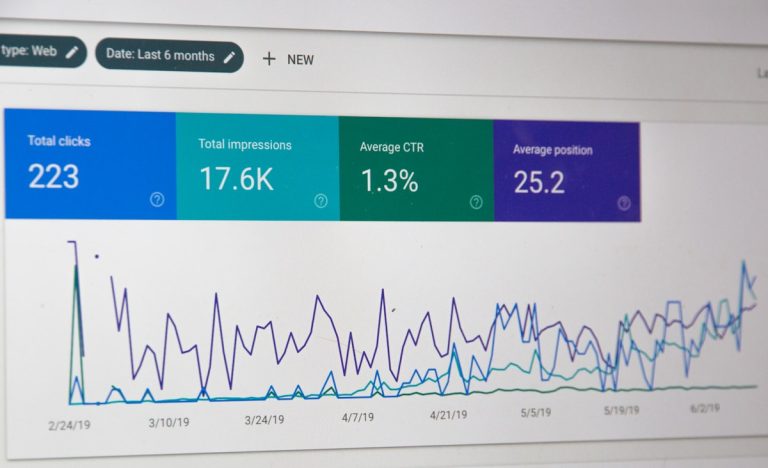
You cannot manage what you cannot see. When analytics are spread across Google Analytics, email dashboards, and third-party rank checkers, spotting trends becomes an exhausting chore. A unified console shows you precisely which topics drive real engagement and how your visibility translates into actual inquiries.
Practical Steps to Implement Adaptive Automation
Transitioning to an adaptive workflow does not require dismantling your entire business overnight. In fact, trying to automate everything on day one is a surefire way to cause confusion. Follow this straightforward implementation roadmap:
Step 1: Clean Your Core Baseline
Before you turn on automated workflows, take a hard look at your current operational baselines. What are your core services? How long does an average client delivery take? What are your realistic weekly capacities? If you underestimate the time it takes to deliver your service, automation will simply accelerate your path to operational chaos. Document your realistic capacities first.
Step 2: Establish Natural Baselines
Do not rush into writing complex rules immediately. Let your acquisition channels run naturally for two to four weeks while tracking your conversion rates. Observe where your pipeline bottlenecks naturally occur. Are you constantly inundated with basic questions that an automated knowledge base could answer? Are specific service inquiries consistently overbooked while others sit idle? Use real performance data to establish your starting baseline.
Step 3: Configure Conservative Caps
When you begin setting thresholds, start with gentle parameters. If you want to prevent low-margin work from consuming your calendar, place an 80% cap on those promotional categories rather than shutting them off entirely. It is far easier to adjust a cap downward than it is to recover from a week where your pipeline went completely cold due to overly aggressive restrictions.
Step 4: Expand Your Multi-Channel Footprint
Once your core search presence runs smoothly, layer on regional targeting and secondary channels. Use automated tools to boost local search rankings across specific target postcodes, ensuring nearby prospects find your business before they discover national competitors. Regularly review performance metrics to spot underperforming days and dial up targeted demand when your delivery team needs work.
Scaling Without the Overhead
The ultimate goal of adopting adaptive marketing automation is sustainable, profitable independence. For too long, growing businesses have faced an unfair choice: surrender their profit margins to opaque agencies, or lose precious operational hours managing disjointed software tools.
By unifying search engine optimisation, local geo-targeting, and demand-responsive content publishing within an intelligent platform, you regain control over your pipeline. You stop guessing what your marketing spend produces. You eliminate the feast-and-famine cycles that plague service providers, startups, and growing enterprises alike.
Your marketing should work as hard as you do, day in and day out, adjusting dynamically to your team’s real-world capacity. Take control of your customer acquisition pipeline, protect your operating margins, and secure predictable digital growth by exploring the power of adaptive marketing automation at AI CMO today.