Transforming Digital Marketing Through Automated Campaign Reporting
Running an e-commerce business requires keeping an eye on dozens of moving parts at once. From tracking ad spend across paid search platforms to monitoring customer acquisition costs on social channels, manually pulling data into spreadsheets consumes countless hours every single week. Implementing automated campaign reporting changes the game entirely by aggregating critical metrics from Google Ads, organic channels, and social campaigns into a real-time, central view. Instead of spending your Mondays wrestling with exported CSV files and manual data entry, your marketing team can immediately focus on interpreting results and making impactful strategic pivots.
Traditional manual reporting often leads to human error, delayed decision-making, and fragmented views of overall business performance. By shifting to continuous, AI-driven insights, e-commerce brands gain crystal-clear clarity on revenue drivers without relying on bloated agency fees or disconnected software setups. If you are ready to take full control of your growth metrics and streamline daily workflows, explore AI CMO: Unified AI Marketing Automation for Digital Growth to transform how your brand monitors and executes multi-channel campaigns.
The Hidden Cost of Manual Marketing Dashboards
Why are so many marketing teams still copying numbers from Google Ads and pasting them into static spreadsheets? It feels safe because it is familiar, but the hidden costs are enormous.
First, manual reporting is inherently backwards-looking. By the time you download a report, format the columns, and present it to management, the data is already outdated. If an ad set breaks or a bidding strategy suddenly goes off course over the weekend, you might not catch it until thousands of pounds have been wasted.
Second, human error is practically guaranteed. A misplaced decimal point or a broken formula in a custom report can distort your customer acquisition calculations, leading to bad strategic decisions.
Here is what manual data processing actually costs your team:
* Wasted hours: Marketers routinely spend 5 to 10 hours per week simply building weekly performance slides.
* Delayed actions: Spotting underlying trends takes days rather than minutes.
* Tool fatigue: Jumping between Google Analytics, ad networks, and email software creates context switching that destroys productivity.
Automating this process removes the repetitive work. Instead of gathering numbers, your team spends time asking better questions: Why did conversions drop on Tuesday? Why is this specific product landing page outperforming the rest?
How Automated Campaign Reporting Works for E-Commerce
At its core, automated campaign reporting replaces manual data export routines with automated pipelines and smart algorithms. Rather than logging into individual platforms, data streams directly into a unified engine that cleans, categorises, and visualises performance automatically.
Integrating Platform APIs for Real-Time Data
Google Ads, Merchant Center, and social ad managers provide programmatic endpoints (such as the Google Ads Query Language and SearchStream interfaces). These tools allow automated platforms to pull fresh numbers constantly.
When your metrics update automatically, you gain continuous visibility over key stats:
* Click-Through Rate (CTR): Instantly gauge ad creative resonance.
* Conversion Rates: Track actual product sales across desktop and mobile storefronts.
* Return on Ad Spend (ROAS): Measure exact profit margins per paid channel.
Beyond Basic Visualisation: AI Insights
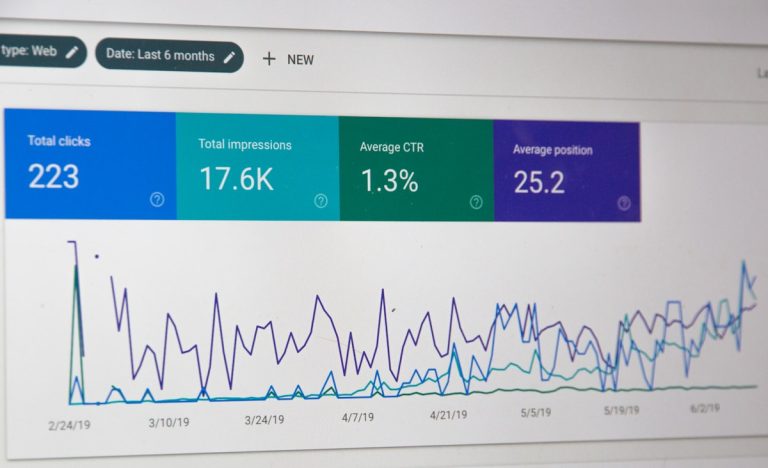
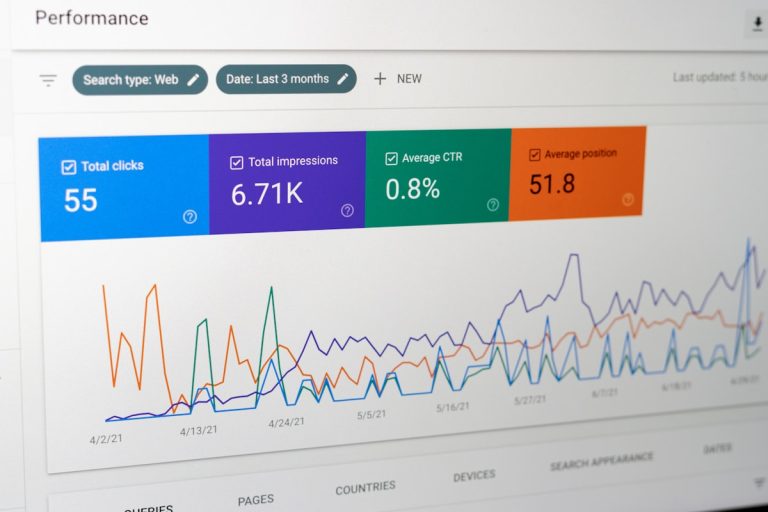
Static dashboards display charts, but they do not tell you what to do next. That is where artificial intelligence transforms modern marketing. An intelligent platform does not just display a line chart going down; it analyses underlying factors, isolates the issue, and suggests immediate creative or operational adjustments.
When you Automate Your SEO with AI alongside paid advertising metrics, you get a complete view of how paid search and organic discovery work together to drive storefront revenues.
Key Metrics Every E-Commerce Store Must Track Continuously
Not all metrics are created equal. Focus on high-impact indicators that directly affect your bottom line.
| Metric | Why It Matters | Automated Advantage |
|---|---|---|
| Return on Ad Spend (ROAS) | Shows direct revenue generated per pound spent on ads. | Flags dropping margins immediately so spend can be reallocated. |
| Customer Acquisition Cost (CAC) | Calculates total sales and marketing cost to win a new customer. | Combines paid and organic channel costs automatically. |
| Conversion Rate by Channel | Identifies which traffic sources convert best. | Helps adjust ad copy and landing pages dynamically. |
| Search Engine Visibility | Tracks organic keywords and local search placement. | Detects search engine algorithm changes in real time. |
Monitoring these figures manually across multiple regions or product catalogues is almost impossible without making mistakes. Setting up automated reporting systems ensures that critical shifts in these key metrics never go unnoticed.
AI CMO vs. Traditional Marketing Agencies and Legacy Tools
When growing an e-commerce brand, businesses usually choose between two paths: hiring a traditional marketing agency or subscribing to a fragmented stack of expensive tools. Both options present significant drawbacks for modern businesses.
The Problem with Traditional Agencies
Agencies are expensive, often costing thousands of pounds a month in management retainers. Worse still, their reporting is usually delivered in static monthly summaries designed to highlight success while masking underperforming channels. Communication delays mean strategy changes take weeks to implement.
The Problem with Tool Fragmentation
Subscribing to one platform for keyword tracking, another for ad management, and a third for email reporting creates massive software bills. Worse, these tools do not talk to each other, leaving you to piece together the full customer journey yourself.
The AI CMO Solution
AI CMO replaces this setup by offering a single, hands-on marketing platform powered by artificial intelligence. By bringing your operational workflow into one platform, you eliminate agency overhead while maintaining complete transparency over performance metrics.
You can streamline your multi-channel reporting, monitor paid campaigns, and Master GEO Targeting with AI from a single dashboard built specifically for growing businesses.
Step-by-Step Guide to Implementing Automated Reporting
Transitioning from manual spreadsheets to a fully automated campaign reporting system is straightforward when approached step by step.
Step 1: Audit Your Current Tracking Setup
Before automating reports, ensure your conversion tracking, Google Analytics goals, and ad pixel tags are functioning accurately. Automated systems rely on clean input data; garbage in means garbage out.
Step 2: Define Core Business Goals
Decide which performance metrics matter most to your executive team. Avoid cluttering your primary reporting view with vanity metrics like page views or social impressions. Focus on net revenue, ROAS, conversion volume, and customer acquisition efficiency.
Step 3: Connect Data Sources to a Central Platform
Link your Google Ads, Merchant Center, organic search consoles, and social marketing accounts into your primary reporting tool. This eliminates data silos and brings all your metrics under one umbrella.
For a streamlined alternative to managing complex API queries manually, you can use AI CMO: Unified AI Marketing Automation for Digital Growth to connect your channels and generate automated intelligence without custom coding.
Step 4: Establish Real-Time Alert Triggers
Set up notification triggers for unusual metrics performance. For example, if your daily conversion rate drops by more than 20%, or if your cost-per-click spikes unexpectedly, your automated platform should notify your team instantly so you can investigate before budget is wasted.
Step 5: Shift Team Focus to Actionable Strategy
Reallocate the time your marketing team saves on manual reporting toward strategic growth tasks: writing better ad creative, refining product landing pages, and expanding into new geographic markets.
Combining Paid Ads and SEO Automation for Maximum Growth
E-commerce growth relies heavily on paid acquisition, but over-reliance on paid ads damages profit margins over time. The most resilient online stores balance paid advertising with organic channel optimization.
When you connect search visibility reporting with paid ad tracking, you uncover powerful synergies:
* Keyword Opportunities: Identify high-converting paid search keywords and automatically optimize your organic content targeting to rank for them organically.
* Ad Spend Efficiency: Lower paid ad budgets on branded keywords where your store already holds dominant organic search rankings.
* Generative Engine Optimisation (GEO): As search engine habits evolve toward AI-driven search models, tracking local visibility alongside traditional web search performance becomes crucial for local commerce brands.
By implementing continuous SEO Automation, your organic traffic builds compounding equity over time, lowering overall customer acquisition costs and making your business far more profitable.
The Future of E-Commerce Reporting is AI-Driven
Marketing technology moves fast. Static PDF monthly reports are quickly becoming obsolete as automated data processing becomes standard across the digital retail sector.
Next-generation systems do not simply gather numbers; they predict performance trends, highlight hidden audience segments, and automate execution tasks. Instead of spending your week analyzing what happened last month, intelligent systems give you actionable instructions on how to improve performance tomorrow.
Adopting an automated, real-time approach gives your business a lasting competitive advantage. You operate faster, reduce operational costs, and make decisions based on accurate data rather than guesswork.
Take control of your digital performance, streamline your multi-channel tracking, and drive measurable revenue growth. Start your journey with AI CMO today and discover how effortless marketing automation can be.