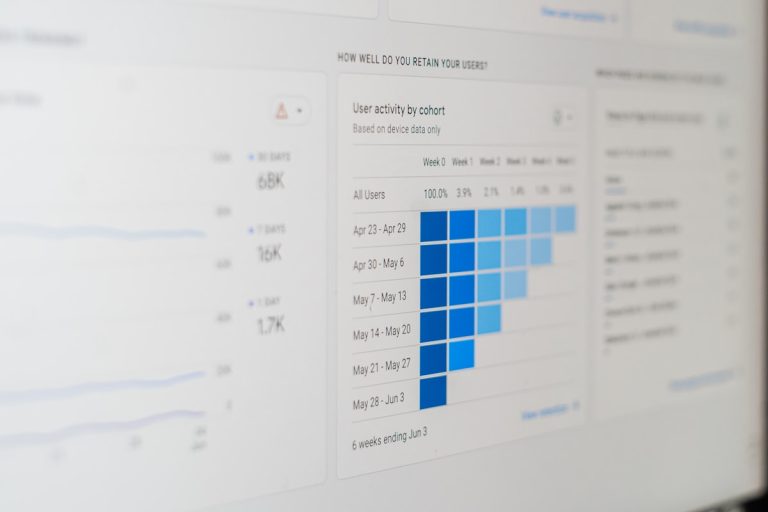
AI SEO automation is the continuous, software-driven execution of crawl auditing, schema injection, content clustering, and generative citation tracking without manual agency intervention. Modern setups monitor indexing issues in real time while structuring digital entities so large language models like ChatGPT, Perplexity, and Google AI Overviews cite your brand directly. This autonomous cycle turns organic search from a slow, monthly retainer into an active, self-correcting revenue channel.
Traditional search marketing moves at a crawl. Algorithms change hourly, but agencies still deliver thirty-day-old slide decks. When technical errors sit unattended for weeks, prospective buyers look elsewhere. By adopting automated systems, growth teams eliminate bloated retainers, consolidate disconnected software stacks, and keep their sites visible across classic search and AI chat engines alike.
Why AI SEO Automation Outperforms Traditional Agency Retainers
Paying an external digital agency £5,000 every single month for a PDF report makes little commercial sense in the modern search landscape. Traditional agencies burn billable hours manually compiling spreadsheets, debating basic canonical tags, and waiting on developers to update metadata. By the time someone notices your rankings dropped, weeks have passed and potential revenue has disappeared. Smart founders are stepping off the agency treadmill and turning to AI CMO: Unified AI Marketing Automation for Digital Growth to transform slow organic campaigns into an autonomous, 24/7 growth pipeline.
Real search engine optimisation is no longer a monthly project review; it is an active systems problem. With Google rolling out continuous updates and generative engines scanning content in seconds, manual workflows cannot keep up. True AI SEO automation takes away human latency by auditing code constantly, resolving indexation blockers, and optimising contextual brand entities on the fly. You gain complete commercial transparency, protect your balance sheet, and ensure your site captures valuable organic real estate around the clock.
What Is AI SEO Automation and How Does It Actually Work?
Let us clear up a common misconception straight away. Typing a quick prompt into a chat interface to produce an 800-word post is not automation. That is simply an electronic typewriter with a thesaurus.
Genuine search automation functions like an aircraft autopilot. It tracks thousands of data signals, spots turbulence before it hurts performance, and makes real-time adjustments behind the scenes. An enterprise autonomous engine operates across three core layers:
- Continuous Technical Auditing: The platform crawls your domain daily to catch 404 status codes, redirect chains, slow render times, and corrupted schema markup before search bots flag them.
- Topical Authority Mapping: Deep algorithms analyse buyer queries across your vertical to spot commercial content gaps that competitors have overlooked.
- Generative Engine Optimisation (GEO): The engine formats product specs, service pricing, and brand data into clear semantic structures that artificial intelligence engines can extract as credible citations.
Instead of wasting fifteen hours every week wrestling with CSV files from five different tools, a unified platform runs your entire organic footprint automatically.
Why Traditional Search Tactics Fail in Generative Search Engines
For more than two decades, the standard organic formula was straightforward: pick a keyword with high monthly volume, publish a 1,500-word blog post, acquire a few backlinks, and wait for page one. That approach no longer guarantees revenue.
Searchers are turning to conversational interfaces like ChatGPT, Perplexity, and Google AI Overviews to answer their commercial questions. Buyers often skip the ten blue links entirely; they read a synthesised summary. If your brand data is not structured for machine extraction, you do not exist in those answers.
Here is why legacy agency methods fall flat in this new environment:
The Operational Latency Trap
Agencies typically take three to four weeks to spot a drop in keyword positions. Once an account manager schedules a status call, briefs a copywriter, and waits for approvals, your competitors have already captured your prospective buyers. Automated tools notice traffic drops immediately and adjust your on-page structure within minutes.
Disconnected Software Fatigue
Most corporate teams juggle five or six disconnected subscriptions: a technical crawler, a backlink monitor, a keyword tool, a content optimiser, and a task management board. None of these applications communicate natively. Marketers spend hours copying numbers between browser tabs rather than executing commercial strategy.
The Generative Visibility Gap
Standard rank checkers only tell you where your page appears on a desktop browser. They provide zero visibility into whether ChatGPT recommends your brand when an enterprise buyer asks for the best software in your niche. Forward-thinking companies use the SEO & GEO Autopilot to keep technical infrastructure, structured entities, and contextual authority primed for conversational discovery.
The Core Pillars of Autonomous Organic Marketing
Scaling an organic footprint without ballooning payroll requires an operational setup built on four key disciplines:
1. Autonomous Technical Maintenance and Schema Health
Technical glitches silently damage search visibility. Broken canonical tags, incorrect HTTP response codes, orphaned landing pages, and invalid microdata drain your crawl budget. An autonomous platform monitors your site day and night, injecting validated JSON-LD schema, cleaning internal link architecture, and correcting header hierarchies automatically.
2. Intent-Led Content Production and Topical Authority
Publishing low-quality, repetitive copy damages brand credibility and invites algorithmic penalties. Modern search engines prioritise genuine topical depth and commercial relevance. Using the AI Content Strategist & Generator, businesses automatically connect multi-layered topic clusters directly to customer pain points. The system analyses top-ranking resources, detects missing semantic entities, and produces thorough articles designed to convert visitors into paying clients.
3. Generative Engine Citations and Real-Time Tracking
Securing a traditional ranking on Google is only half the job; earning recommendations inside conversational AI summaries is the modern standard. With the AI Visibility Tracker, your growth team monitors brand citations across leading large language models in real time. The platform reveals how often your business is cited in synthetic answers, tracks brand sentiment, and highlights missing data points across your digital footprint.
4. Multi-Channel Outbound Connection
Organic discovery generates higher returns when linked with direct outreach. Modern B2B buyers move fluidly between search results, business websites, and professional networks. Using the LinkedIn Chrome Plugin, sales and marketing teams connect inbound search queries with targeted social conversations, enabling personalised messaging and pipeline tracking straight from their daily workflow.
Traditional SEO vs Generative Engine Optimisation (GEO)
Traditional SEO concentrates on page-level keywords, backlink volume, and meta tags built for web bots. Generative Engine Optimisation (GEO) focuses on entity relationships, semantic precision, verifiable facts, and brand references designed for large language models.
When a prospect asks Perplexity or Claude, “What is the best marketing automation tool for mid-sized UK tech firms?”, the engine does not count how many times a single keyword appears on your landing page. Instead, it evaluates three distinct questions:
- Does this brand maintain verified entity definitions across authoritative databases?
- Are the platform features, pricing tiers, and commercial terms explained in clear, unambiguous language?
- Do credible third-party publications and digital directories recognise this brand as a category leader?
| Operational Factor | Traditional Search Approach | Generative Engine Optimisation (GEO) |
|---|---|---|
| Core Objective | Rank in the ten blue links on page one | Earn trusted citations in synthetic AI answers |
| Content Focus | Target keyword repetition and page length | Fact density, entity relationships, semantic clarity |
| Technical Priority | Basic XML sitemaps and manual meta tags | Structured JSON-LD schema, continuous code auditing |
| Discovery Channel | Google, Bing desktop/mobile browsers | ChatGPT, Perplexity, Claude, AI Overviews |
| Latency Cycle | Monthly agency reports and delayed manual edits | Real-time crawl fixes and dynamic content adjustments |
With comprehensive AI SEO automation, you satisfy traditional search crawlers while feeding structured data into conversational answer engines.
Step-by-Step Blueprint: Setting Up Autonomous Search
Replacing slow agency workflows does not require months of technical onboarding. You can set up an autonomous search engine across five practical steps:
Step 1: Define Commercial Context and Buyer Profiles
Automation works best within clear commercial boundaries. Start by establishing your ideal customer profile, main service offerings, unique value propositions, and primary conversion goals. This ensures every automated update and new piece of content aligns with business objectives.
Step 2: Implement Continuous Technical Auditing
Connect your website to an automated remediation system. Stop relying on quarterly PDF audits that gather digital dust. Configure your software to resolve canonical conflicts, fix metadata errors, and maintain clean site architecture without developer delays.
Step 3: Turn on Continuous SEO and GEO Protocols
Turn on automated indexing workflows. You can Automate Your SEO with AI to run keyword clustering, on-page content updates, and structured schema implementation without expanding headcount or paying hefty retainers.
Step 4: Expand Local and Regional Authority
If your business serves specific geographical areas, building individual regional pages manually is slow and repetitive. You can Master GEO Targeting with AI to build localised, entity-dense pages that win local search packs and claim citations in location-based conversational queries.
Step 5: Run a 30-Minute Weekly Strategic Review
True automation manages day-to-day execution so your team can focus on broader business strategy. Spend thirty minutes each week reviewing demo inquiries, conversion rates, and citation frequencies. Use these commercial insights to fine-tune your messaging while the system handles publishing and technical hygiene.
Agency vs In-House vs AI SEO Automation: A Direct Comparison
Choosing the right marketing model means balancing operational costs, execution speed, transparency, and scalability. Here is how the three models compare:
Traditional Marketing Agency
- Monthly Cost: Typically £3,000 to £8,000+ per month on long-term contracts.
- Turnaround: Slow; basic technical recommendations or draft articles often take weeks to deliver.
- Transparency: Opaque monthly slide decks focused on impressions rather than real commercial pipeline.
- Scalability: Strictly limited by the billable hours assigned to your account.
In-House Marketing Team
- Monthly Cost: Substantial annual salaries covering technical SEOs, copywriters, and project managers.
- Turnaround: Moderate; internal staff frequently get pulled into conflicting internal meetings.
- Transparency: High, but requires building and maintaining custom reporting dashboards.
- Scalability: Constrained by hiring budgets, notice periods, and team capacity.
AI SEO Automation Platform
- Monthly Cost: A predictable, cost-effective subscription with zero agency markup.
- Turnaround: Instant; operates continuously 24 hours a day, 7 days a week.
- Transparency: Live dashboards showing current rankings, technical health, and generative citations.
- Scalability: Broad; handles content updates, structured data, and indexing simultaneously.
For growing startups, mid-sized enterprises, and lean corporate marketing teams, autonomous software delivers agency-grade execution at a fraction of traditional operating costs.
Common Mistakes to Avoid in Autonomous Search
While automation brings huge operational speed, poor implementation can harm your search presence. Watch out for these four common pitfalls:
1. Publishing Repetitive, Shallow Content
Flooding your domain with hundreds of thin, automated pages offers zero value to readers and triggers search engine penalties. Every article must address a concrete commercial query, provide actionable steps, and deliver genuine insights that solve a buyer’s problem.
2. Overlooking Brand Voice and Tone
Review your automated output to ensure it maintains a natural, authoritative voice. Avoid overused adjectives, robotic corporate jargon, and generic filler. Your content should read like a seasoned professional sharing clear commercial guidance over a coffee.
3. Ignoring Generative Citations
Many marketers fixate on classic keyword positions while completely ignoring conversational AI engines. If large language models cannot find consistent, structured data about your business, they will cite your competitors. Track brand citations in AI answers to ensure your business remains visible.
4. Neglecting Localised Context
Trying to rank for broad global terms without local entity signals is an uphill battle. If your company provides services across specific UK regions, include clear local data, schema markup, and geographic entities so language models understand your exact operating footprint.
Real Commercial Metrics: What Actually Matters
Ignore vanity metrics like raw impression spikes that fail to drive pipeline. Track these four commercial indicators to judge the real health of your automated setup:
- Topical Indexation Velocity: How quickly new pages get crawled, indexed, and start generating organic traffic. Automated technical health and instant schema injection shorten this cycle significantly.
- Generative Citation Share: How frequently conversational AI platforms like ChatGPT, Perplexity, and Claude cite your brand when buyers ask industry-relevant questions.
- Cost per Organic Asset: The total operational spend required to research, produce, optimise, and maintain an authoritative guide. Autonomous platforms routinely reduce this cost by more than 70% compared to traditional agency retainers.
- Qualified Commercial Inquiries: The number of scheduled demos, phone calls, and inbound form submissions produced by intent-aligned organic landing pages.
How Can Small Teams Run Multi-Channel Campaigns Autonomously?
High-performing marketing does not stop at organic search results. A prospect might find your website through an organic search, review your company profile on LinkedIn, read an AI summary on Perplexity, and eventually convert after seeing a helpful social post.
When you link your organic search engine with outbound tools like the LinkedIn Chrome Plugin, your business creates a unified growth loop. The insights gained from search intent analysis tell you exactly which topics resonate with prospects. This allows your sales team to share relevant articles, send targeted connection messages, and participate in active social discussions without starting from scratch every morning.
By uniting search indexing, generative engine monitoring, and social networking into one operational ecosystem, small teams can match the commercial footprint of enterprises employing dozens of full-time marketers.
The Strategic Shift: Transitioning from Manual Tasks to Autonomous Systems
Why do so many digital initiatives fail to produce sustainable pipeline? The root cause is operational friction. When a marketing team depends on manual tasks, every individual asset, technical fix, and schema tag requires significant human labour.
Consider what happens when Google releases a core update. In a manual setup, your team must:
- Wait for third-party industry blogs to dissect the update.
- Manually audit hundreds of published URLs.
- Identify which pages lost organic traffic.
- Draft revised copy and rewrite metadata.
- Wait for web developers to deploy code updates.
By the time this cycle wraps up, months have passed and substantial revenue has been lost. With autonomous systems, this lag disappears. The engine spots shifts in crawl patterns immediately, recalibrates on-page entities, and pushes updates straight to your site.
This is not about replacing human judgment; it is about freeing your strategic minds from repetitive manual labour. Your marketers should be speaking with clients, sharpening value propositions, and closing commercial deals, not copying and pasting meta descriptions across dozens of browser tabs.
Frequently Asked Questions About AI SEO Automation
How does AI SEO automation handle Google algorithm updates?
Automated systems monitor organic crawl patterns and indexation health continuously. When Google releases a core update, the platform detects shifts in page rankings and technical visibility right away, allowing you to update internal linking, metadata, and entity structures in days rather than waiting weeks for an agency review.
Can automated SEO replace human copywriters entirely?
Automation eliminates repetitive technical tasks, keyword grouping, and structural drafting. However, the best results combine automated efficiency with human editorial direction to ensure brand tone, unique customer insights, and strategic commercial context remain uncompromised.
What is the difference between rank tracking and generative visibility tracking?
Traditional rank tracking measures where your website sits on a conventional search results page for a specific query. Generative visibility tracking monitors whether conversational models like ChatGPT, Perplexity, and Google AI Overviews mention, recommend, and link to your business inside synthesised answers.
How quickly does automated technical SEO resolve errors?
Unlike manual processes that require ticketing systems and developer sprint cycles, automated tools inspect site code daily and inject structural fixes, canonical tags, and validated schema directly into your site architecture as issues arise.
Taking the Next Step in Organic Growth
The line between conventional search engines and conversational artificial intelligence is fading fast. Traditional search engines now incorporate generative summaries on page one, while conversational platforms crawl the web continuously to cite authoritative sources.
In this environment, businesses that rely on slow, manual SEO workflows will get left behind. You cannot out-publish, out-optimise, or out-structure autonomous algorithms using spreadsheets and billable agency hours. To win, your business needs the same speed and analytical power that search platforms use.
Modern AI SEO automation is no longer reserved for massive tech firms; it is essential infrastructure for any company that wants to compete online. By linking automated technical audits, intent-led content production, and generative engine tracking into a unified ecosystem, you turn your website into an autonomous revenue engine.
Stop wasting budget on slow agency retainers and fragmented tool stacks. Equip your business with autonomous marketing tools that keep you ahead of search algorithm shifts and generative platforms alike. Start Your SEO Autopilot today and build a dependable, self-optimising search presence that delivers sustainable commercial growth.