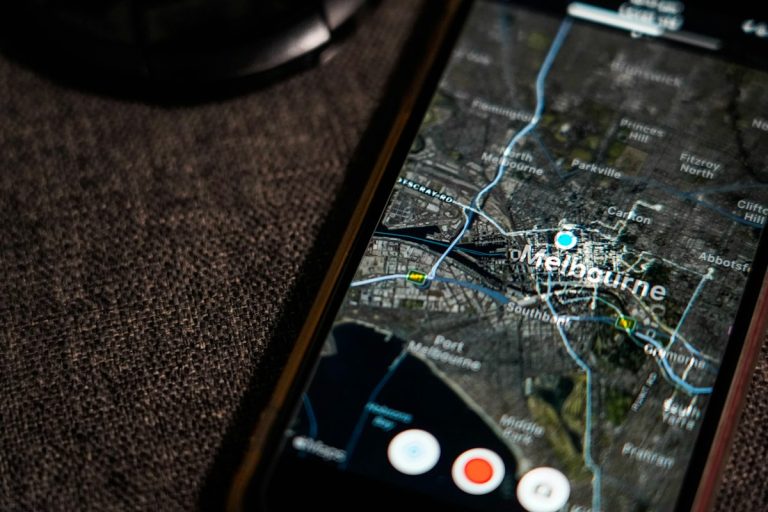
The Modern Playbook for Geo-Based Marketing
Ever wondered why your local prospects walk right past your business to buy from a competitor down the street? The secret usually boils down to timing and context. Geo-based marketing bridges the gap between digital discovery and physical movement, allowing you to deliver hyper-relevant messages directly to potential customers when they are nearest to making a purchase decision. By tapping into spatial data, GPS signals, and local search signals, businesses can transform cold outreach into warm, contextual interactions that convert quickly.
Mastering this approach no longer requires a massive enterprise budget or a dedicated team of growth hackers. With modern digital solutions, small to medium enterprises can compete on equal terms with global brands across local territories. If you want to eliminate fragmented tools and streamline your entire campaign workflow, you can check out AI CMO: Unified AI Marketing Automation for Digital Growth to see how automated intelligence turns geographic data into measurable footfall and online revenue.
What is Geo-Based Marketing? (And How It Actually Works)
At its core, geo-based marketing uses real-time location data to target consumers based on their geographic position. Instead of blasting an ad across an entire country, you tailor your messaging to people within a specific neighborhood, city, or radius around your physical shopfront.
How does it work under the hood?
- GPS Technology: Tracks mobile devices precise location coordinates to serve instant notifications or hyper-local search ads.
- IP Address Mapping: Connects desktop or Wi-Fi internet connections to specific geographic towns or regions.
- Cellular Data & Wi-Fi Triangulation: Pinpoints device coordinates inside dense urban areas where traditional GPS signals might struggle.
- Bluetooth Beacons: Connects directly with nearby smartphones inside brick-and-mortar stores to send in-aisle offers.
When you blend these signals together, you stop guessing what your prospective buyers need. You know where they are, what they are likely doing, and how close they are to your front door. If you want to master these location-aware tactics automatically, you should Master GEO Targeting with AI to stay visible across local maps and modern generative search engines.
The 4 Essential Types of Location-Based Marketing
Not all spatial campaigns work the same way. Depending on your business model, customer journey, and hardware setup, you can pick from several distinct execution models.
1. Geofencing
Geofencing creates a virtual boundary around a specified real-world area. When a mobile user enters or exits this invisible fence, a pre-set trigger fires off an alert, app notification, or social media impression.
Example: A coffee shop sets a 500-metre geofence around its entrance. Anyone walking through during morning rush hour receives a mobile push notification offering 15% off their morning flat white.
2. Geotargeting
Geotargeting targets users based on their specific geographic parameters, such as town, postcode, or country, alongside their consumer preferences, behaviours, or demographics.
Unlike broad geofencing, geotargeting ensures that you only spend budget on users who match your ideal customer profile within that location.
3. Beacon Marketing
Beacons are small physical hardware devices placed inside retail stores or venues. They transmit low-energy Bluetooth signals to nearby mobile devices, enabling micro-location messaging.
Example: A fashion retailer places a beacon in the jacket section. When a user stands near the display for more than thirty seconds, their phone displays matching trousers or current in-store promotions.
4. Geo-Conquesting
Geo-conquesting is a competitive tactic where you draw a virtual fence directly around your rivals’ store locations. When shoppers step near your competitor’s showroom, you deliver an incentive designed to sway their decision toward your business.
To make these tactics work effectively across search and social channels simultaneously, modern growth teams rely on SEO Automation to maintain high rankings whenever local consumers search for nearby solutions.
Key Commercial Benefits of Geo-Based Marketing
Why should your brand prioritise geographic targeting over traditional broad campaigns? The numbers speak for themselves. Contextual messaging yields higher engagement because it arrives at the exact moment of intent.
1. Massive Boost in Conversion Rates
When an ad matches both the user’s immediate physical need and location, bounce rates plummet. You are no longer asking someone in Leeds to care about a service exclusively available in London.
2. Reduced Ad Spend Waste
Broad campaigns burn budget on users who will never visit your store or qualify for local delivery. Filtering your target audience by geographic relevance ensures every pound spent reaches a viable buyer.
3. Stronger Foot Traffic for Physical Stores
Driving online users into real-world locations remains one of the hardest challenges in retail. Geo-based marketing builds direct digital pathways straight to your front counter.
4. Hyper-Personalised Customer Experiences
Modern consumers expect personalized interactions. Delivering tailored local offers shows that your brand understands their immediate context, building long-term loyalty and repeat visits.
If you are looking for an all-in-one approach to build authority across both search engines and local maps, you can explore AI CMO: Unified AI Marketing Automation for Digital Growth to automate your outreach effortlessly.
Traditional Challenges vs The AI CMO Advantage
While the benefits of location-aware campaigns are obvious, traditional implementation is often painful for small to medium enterprises.
Usually, managing a local campaign requires hiring expensive digital marketing agencies or juggling six fragmented tools:
* One tool for keyword research
* Another for local map listings
* A third platform for social ad management
* A manual copywriter for localized landing pages
This fragmented approach leads to inconsistent execution, high overheads, and slow results.
AI CMO changes this dynamic entirely. By serving as an automated, hands-on digital marketing assistant, AI CMO handles complex SEO and GEO operations 24/7 without requiring extra headcount. It generates customized local content strategies, optimizes your digital presence across AI-driven search models, and tracks real-time performance so you can focus on running your core business.
To see how you can elevate your regional visibility, Enhance Your Local Visibility using intelligence designed for lean, high-growth teams.
How to Set Up an Automated Geo-Based Strategy
Ready to launch your own local campaigns? Follow these practical steps to build an automated, scalable strategy that brings in steady leads.
Step 1: Define Your Core Catchment Areas
Map out where your most profitable customers actually live and work. Identify key postcodes, high-density footfall zones, and competitor locations that present conquesting opportunities.
Step 2: Optimise Your Local Digital Assets
Ensure your local listings, Google Business Profile, and regional website pages are updated with accurate addresses, opening hours, and targeted keywords. If your localized landing pages are outdated, you will lose conversions instantly.
Step 3: Implement Automated Keyword and GEO Tracking
Search trends shift fast across different regions. Use Automate Your SEO with AI to keep your location pages ranking highly across regional search queries without manual effort.
Step 4: Craft Location-Specific Offers
Create compelling incentives that encourage immediate action. Use dynamic phrases like “Exclusive offer for Manchester residents” or “Visiting Oxford Street today? Stop by for a free sample.”
Step 5: Track, Refine, and Scale
Monitor your performance metrics daily. Look at walk-ins, online direction requests, click-through rates, and customer acquisition costs across each geographic segment. Double down on high-performing postcodes and tweak underperforming zones.
Final Thoughts: Scaling Local Reach Without Agency Overhead
Implementing geo-based marketing is no longer optional for businesses that want to dominate their local markets. By matching your promotional messages to real-world consumer locations, you reduce wasted ad spend, boost walk-in footfall, and drive consistent revenue growth.
You do not need an agency retainer or a complicated tech stack to execute this playbook successfully. By leveraging unified automation, you can run continuous, highly effective local campaigns with minimal setup time.
Ready to dominate your market and scale your digital presence? Visit AI CMO: Unified AI Marketing Automation for Digital Growth today and transform how your business attracts local customers.