Why SEO Performance Tracking Matters (and How to Fix Broken Workflows)
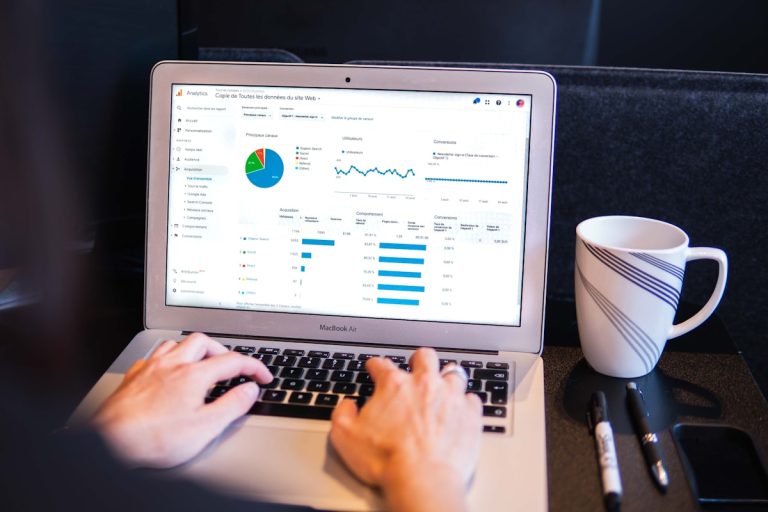
Tracking search visibility used to mean spending hours inside spreadsheets, pulling data from five different platforms, and trying to explain why traffic dropped on a Tuesday. Traditional search engine optimisation requires constant vigilance. However, manual audits only give you a snapshot of the past. If you want to make real progress, you need real-time data that shows what is happening right now. Effective SEO performance tracking allows you to see which pages bring in genuine revenue, which keywords are climbing, and where your technical setup might be leaking potential leads.
Without a streamlined system, small businesses and marketing teams end up wasting precious hours on repetitive data collection rather than taking strategic action. That is where modern automation changes the game. By moving from manual checks to continuous monitoring, you eliminate blind spots and catch algorithm updates before they hurt your bottom line. To simplify your search workflow and get immediate insights into your digital visibility, you can explore AI CMO: Unified AI Marketing Automation for Digital Growth to keep your team focused on growth rather than tedious admin work.
The Fundamental Metrics for Modern Search Analytics
When you measure organic growth, it is easy to get lost in vanity metrics. High traffic numbers look great on paper, but they mean very little if those visitors leave without taking action. To build a clear picture of your organic health, you must focus on metrics that connect directly to your business goals.
1. Organic Conversions and Bottom-Line Revenue
The ultimate goal of search optimization is driving business outcomes. Track sales, contact form submissions, newsletter sign-ups, and trial activations. It is also vital to separate brand search traffic from non-brand traffic.
- Brand Traffic: People who already know your business name.
- Non-Brand Traffic: Potential new customers searching for solutions to their problems.
Non-brand conversions show whether your organic strategy is actually acquiring fresh customers.
2. Keyword Positions and Search Intent
Tracking keyword positions tells you how visible your pages are for core queries. Search engines award the vast majority of clicks to the top three positions. If your key phrases sit on page two, you are missing out on major traffic. Monitor your positions weekly, but pay close attention to user intent. Ranking first for a high-volume phrase does not help if the searcher was looking for something completely different.
3. Core Web Vitals and User Experience
Search engines prioritize user experience. Core Web Vitals measure loading performance, interactivity, and visual stability:
* Largest Contentful Paint (LCP): How fast the main content loads.
* First Input Delay (FID): How responsive the page is to user clicks.
* Cumulative Layout Shift (CLS): Whether elements jump around while loading.
If your pages load slowly, bounce rates increase and your keyword rankings drop over time.
The Pain of Manual Audits vs Continuous AI Tracking
Legacy tools like SEMrush, Ahrefs, and Moz are great for pulling raw backlink data and performing manual keyword research. But they have a obvious drawback: they require you to do all the manual heavy lifting. You have to export CSV files, spot the anomalies yourself, and figure out what steps to take next.
Traditional agencies often charge heavy monthly retainers just to send you a static PDF report at the end of the month. By the time you read that report, the data is already four weeks old.
If you want to move away from slow manual audits, you can Automate Your SEO with AI and let intelligent workflows handle routine technical checks automatically.
AI CMO replaces this broken model by running continuous search analytics in the background. Instead of spending your Mondays digging through analytics, you get automated alerts and data-driven recommendations right when you need them.
How AI CMO Automates SEO and GEO Operations
Search behaviour is evolving rapidly. People do not just search on standard global engines; they search locally, and they use AI-driven answer engines to get direct responses. Managing both standard search visibility and Generative Engine Optimisation (GEO) manually is almost impossible for lean teams.
AI CMO unifies these tasks under one simple dashboard. It monitors your organic search health, checks local visibility across target regions, and provides automated recommendations for your content strategy. To see how continuous monitoring can elevate your strategy, check out Discover real-time SEO performance tracking with AI CMO and gain complete clarity over your digital footprint.
For businesses looking to capture hyper-local traffic and dominate regional search rankings, you can Master GEO Targeting with AI to ensure your business stands out in local search results.
Key Engagement Indicators You Cannot Ignore
Once visitors land on your site, their behaviour sends strong signals to search engines about the quality of your content. Keeping a close eye on engagement metrics helps you refine your pages for better conversion rates.
- Bounce Rate: High bounce rates often signal that your meta titles or content do not match what the searcher expected.
- Average Time on Page: Longer reading times suggest your content effectively solves the user’s query.
- Pages per Session: If visitors explore multiple pages, your internal links and call-to-actions are doing their job.
- New vs Returning Visitors: A healthy balance shows you are attracting new leads while retaining existing brand interest.
Turning Search Data into Actionable Business Strategy
Data is useless if you do not act on it. To get the highest return on your marketing efforts, turn your tracking insights into a clear weekly workflow:
- Identify Dropping Keywords: Look for pages that dropped a few positions and update their content to regain top spots.
- Fix Technical Roadblocks: Address slow loading assets or broken links immediately to maintain high search visibility.
- Expand High-Performing Themes: Notice which topics generate the most conversions and create complementary content around those subjects.
- Benchmark Against Competitors: Keep track of competitor ranking shifts to spot new opportunities before they capture market share.
Final Thoughts: Moving Beyond Static Monthly Reports
Measuring organic visibility does not have to be a stressful or time-consuming chore. By establishing clear key performance indicators and switching from manual audits to automated, real-time analytics, you save money and make smarter marketing decisions. AI CMO gives small businesses, startups, and marketing teams the exact tools they need to track performance 24/7 without agency markups or tool overload.
Ready to simplify your analytics and scale your search growth automatically? You can Start your journey with AI CMO: Unified AI Marketing Automation for Digital Growth today and transform how you manage digital visibility.