Why Automated Search Analytics Change Everything for Growing Businesses
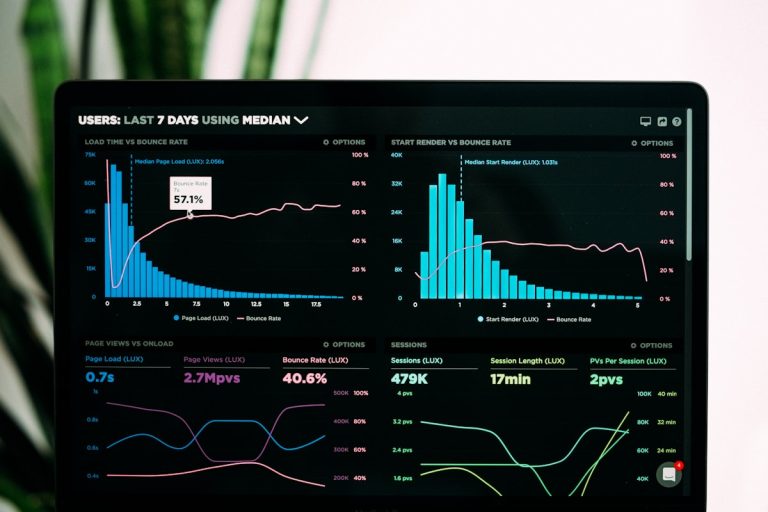
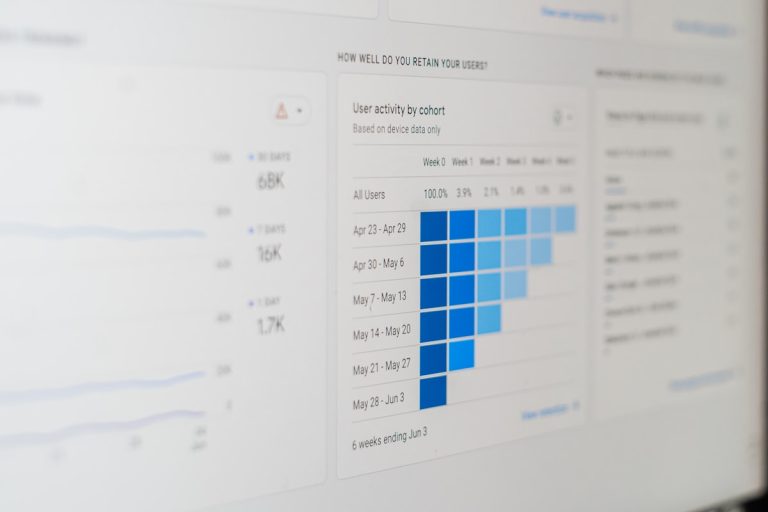
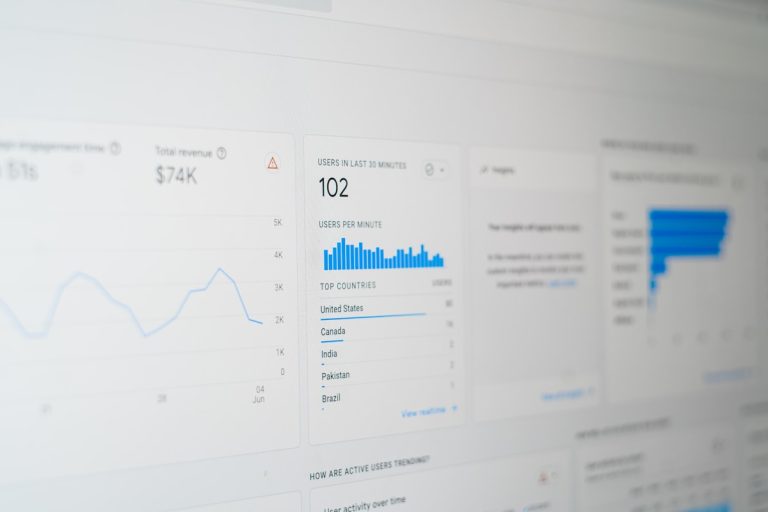
Tracking organic growth manually is a massive time sink. Most business owners spend hours pulling reports from Search Console, Google Analytics 4, and third party keyword platforms, only to end up with conflicting numbers. If you want to scale your business without wasting precious hours on tedious spreadsheets, modern SEO performance tracking provides a direct path to clear organic growth analytics. Modern tools now let you monitor keyword movements, user engagement, and search visibility continuously without opening a single manual CSV file.
By moving away from static weekly reports and adopting real-time execution, growing businesses can spot ranking drops before they ruin lead flow. AI CMO bridges the gap between raw data collection and actionable strategy, handling operational task complexities automatically. In this detailed guide, you will learn how to measure organic traffic growth, set up automated tracking frameworks, and evaluate revenue metrics with total confidence while keeping your operational costs low.
The Big Problem with Traditional Search Analytics
Let us be completely honest about traditional reporting. It takes forever, and it is usually outdated by the time you read it.
When you track rankings manually, you log into five different platforms. You check Google Search Console for impressions. Then you jump over to Google Analytics 4 to look at user session times. After that, you open a paid keyword rank tracker to see where your target terms landed this morning.
By the time you pull these data points into a slide deck, three days have passed. You are making decisions based on old information while your competitors adjust in real time.
Here are the main issues with manual search reporting:
- Fragmented dashboards: You waste time switching tabs and reconciling mismatched numbers across tools.
- Delayed action: Finding out that a key landing page lost rank two weeks ago means you lost two weeks of sales.
- High operational cost: Paying agencies thousands of pounds every month just to get static PDF reports is a massive drain on your budget.
- Overwhelming metrics: Knowing your site had 10,000 impressions does not tell you if you actually made any money.
When you switch to dynamic SEO Automation, you eliminate the tedious tab switching and focus strictly on revenue driving decisions.
Leading Indicators vs Lagging Indicators: What Actually Matters?
To measure organic search correctly, you must split your tracking metrics into two buckets: leading indicators and lagging indicators.
1. Leading Indicators
These signals tell you if your organic strategy is heading in the right direction long before you see cash in the bank.
* Search Impressions: The total number of times your site appeared in search engine results pages. An increase in impressions is almost always the first sign of ranking recovery.
* Keyword Positions: Tracking target terms across core service pages.
* Click-Through Rate (CTR): The percentage of searchers who click your link after seeing it in the search results.
2. Lagging Indicators
These numbers prove whether your efforts delivered real business value and return on investment.
* Organic Conversions: Form submits, booked calls, or direct ecommerce checkout sales.
* Organic Revenue: The exact profit generated from non paid organic search visitors.
* Cost Per Acquisition (CPA): How much money you saved by acquiring users organically instead of paying for ad clicks.
When you use real time tracking, your system continuously monitors leading metrics so you can fix issues before lagging indicators take a hit.
How AI CMO Streamlines Search Engine Metrics
Most traditional platforms just dump data on your screen and expect you to figure it out. AI CMO flips that model entirely on its head. It combines rank monitoring, technical health tracking, and content execution into a single, straightforward dashboard.

Instead of forcing you to hire costly digital agencies or learn complex software, it handles the operational details in the background 24/7.
Here is how automated platform tracking works:
- Continuous Data Gathering: The platform monitors ranking changes, indexation issues, and visibility shifts continuously.
- Automated Content Adjustments: When keyword momentum stalls, the platform identifies missing search intent topics and adjusts content strategies dynamically.
- Multi-Channel Alignment: It tracks how your search efforts connect with your broader marketing campaigns, ensuring complete visibility across channels.
By using an integrated platform, you can Automate Your SEO with AI and spend your time building your business instead of deciphering raw analytics.
The Rise of GEO: Why Search Tracking Has Changed
Search engine optimization is no longer limited to standard ten blue links on Google. Today, modern buyers turn to conversational artificial intelligence models to discover brands, compare products, and make buying decisions.
This pivot has created a new operational need: Generative Engine Optimisation (GEO).
If your business only tracks standard Google keyword positions, you are missing half the picture. You need visibility metrics that show how often AI search engines quote your content, reference your brand, and recommend your services to prospective buyers.
With dedicated features built for local and generative engines, you can Master GEO Targeting with AI to guarantee your brand appears wherever prospective buyers search.
Step-by-Step: Setting Up Automated Tracking
Ready to automate your search reporting workflow? Follow this straight forward blueprint to get actionable metrics without losing your mind.
Step 1: Establish Your Core Business Goals
Do not track everything. Pick three core outcomes that directly impact your bottom line. For most small to medium enterprises, this means tracking organic leads, demo signups, or sales revenue.
Step 2: Set Up Real-Time Tracking
Connect your site to a centralized platform like AI CMO. Stop checking rank trackers manually every morning. Let automated systems notify you when major shifts happen so you can focus on real work.
Step 3: Monitor Technical Health Automatically
Page speed and crawl health directly affect your rankings. If a page breaks or drops speed, you need to know immediately.

Automated tools catch indexation errors instantly, protecting your hard earned position on results pages.
Step 4: Refine Strategy Based on Data
Data is useless without action. When you see a drop in click through rates for a key term, update the meta titles or refresh the page content using data backed insights. You can easily Boost Local Search Rankings by identifying visibility gaps in specific target locations and adjusting your landing pages instantly.
Comparing Analytics Tools: Finding the Right Solution
Choosing the right reporting setup depends on your team size, budget, and internal technical skill. Here is a clear look at how traditional marketing setups compare to unified automated solutions like AI CMO.
- Traditional SEO Agencies:
- Pros: Deep hands-on strategic help.
- Cons: Extremely expensive, slow turnarounds, monthly static PDF reports.
- Fragmented Software Tools (SEMrush, Ahrefs, Moz):
- Pros: Deep tactical data for technical specialists.
- Cons: Expensive subscription stacks, steep learning curve, requires manual analysis to find answers.
- AI CMO:
- Pros: Unified execution platform, 24/7 automated monitoring, accessible pricing, built-in GEO tracking, zero technical experience required.
- Cons: Designed for automated execution rather than manual enterprise link digging.
If you are a startup or growing business looking to eliminate bloated agency fees, a unified solution gives you direct control over your digital growth.
Scaling Your Organic Growth Without Adding Overhead
The biggest secret in modern marketing is simple: you do not need a ten person content team or a massive agency contract to beat market competitors in search.
By automating your baseline content and performance tracking, you can scale organic traffic fast. Continuous data analysis reveals exact user intent shifts, allowing you to launch tailored, highly optimized content that directly targets buyer pain points.
Whether you want to dominate regional local searches or expand into international markets, automating your analytics removes operational guesswork. You get real time visibility into what works, what needs fixing, and where your next customers are coming from.
Take Control of Your SEO Performance Today
Tracking your search performance should not feel like a full time job. When you rely on fragmented tools and delayed manual spreadsheets, you waste time and miss major growth opportunities.
By switching to automated real time monitoring, you gain total clarity over your traffic, keyword movements, and organic revenue. You can eliminate expensive agency contracts, lower operational stress, and scale your brand visibility effortlessly.
Ready to automate your reporting and drive real organic growth? AI CMO: Unified AI Marketing Automation for Digital Growth gives you all the tools you need to track, optimize, and dominate search results today.