Ditch the Spreadsheets: Why Modern PPC Tracking Demands AI
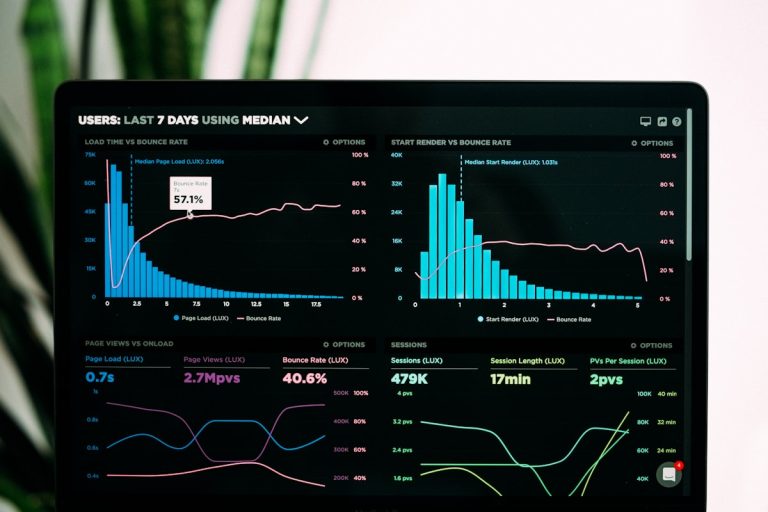
Managing pay-per-click ad budgets across Google, Bing, and Meta can quickly become a spreadsheet nightmare. For years, digital marketers relied on manual Google Sheets, complex SUMIF formulas, and scripts like Supermetrics just to keep track of daily ad spend. But in today’s fast-paced digital ecosystem, relying on static rows and delayed data pulls leads to wasted ad spend, missed pacing targets, and endless operational headaches. If you want to scale your business efficiently, you need to transition to true automated PPC tracking that updates in real time and automatically optimizes performance across every channel.
Moving beyond manual data entry is no longer optional for small and medium-sized enterprises. Traditional budget trackers require constant maintenance, leaving you scrambling every time a campaign pacing target shifts or a client demands an instant performance update. By replacing clunky spreadsheets with an all-in-one AI platform, you eliminate human error, liberate your team from mundane data pulling, and ensure every pound of your marketing budget works directly toward measurable business growth.
The Flaws of Google Sheets for Pay-Per-Click Tracking
Spreadsheets served us well in the early days of search engine marketing. Building a DIY spend tracker using IMPORTRANGE and custom scripts felt like a massive upgrade over manual data entry. Yet, as marketing channels proliferate, these makeshift solutions quickly break down under the weight of modern campaign complexities.
1. Data Freshness and API Failure
Google Sheets tools often rely on third-party add-ons to pull spend data dynamically. When an API key expires or a third-party service rate-limits your query, your dashboard goes dark. If your query fails to refresh overnight, you might end up spending blind for days before noticing the break.
2. Manual Overhead Still Eats Your Time
Even with scheduled refreshes, somebody still has to set up campaign naming conventions, adjust budget targets, and manually write nested conditional formulas. When you want to combine search performance with organic strategies, spreadsheets quickly become bloated and sluggish. Instead of spending hours fixing broken formulas, modern teams can automate your SEO with AI to streamline both paid and organic acquisition seamlessly.
3. Missing Actionable Insights
A spreadsheet can show you that you have spent 80% of your budget with 40% of the month remaining. What it cannot do is tell you why your spend surged or how to reallocate funds across channels in real time to save your cost-per-acquisition. It presents raw figures, leaving all the stressful heavy lifting, analysis, and execution squarely on your shoulders.
What True Real-Time PPC Automation Looks Like
True automation isn’t just about pulling numbers into a grid; it is about intelligent, hands-off management. When you upgrade from legacy spreadsheets to a unified marketing platform, your tracking system transforms from a passive display into an active growth manager.
Centralised Multi-Channel Data Aggregation
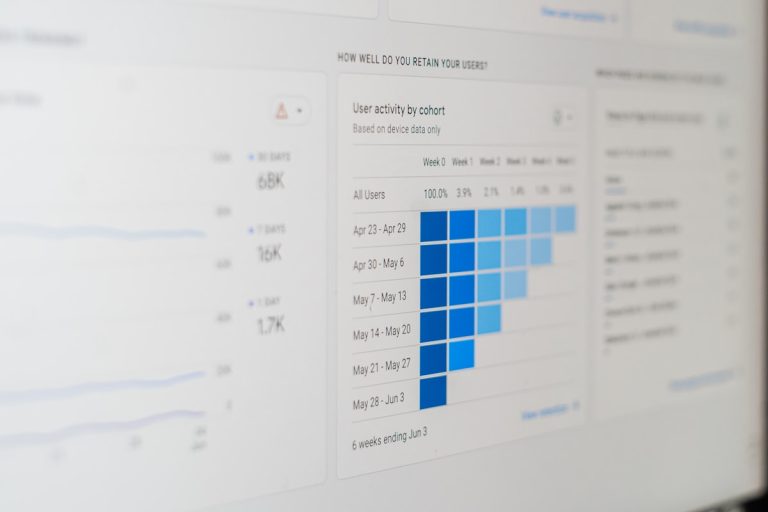
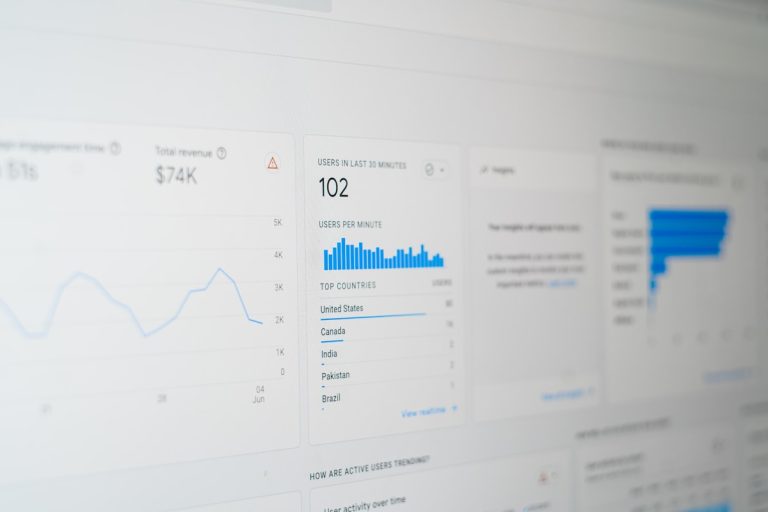
Instead of logging into three different ad platforms and pasting results into individual tabs, a fully automated system consolidates search, social, and display ad metrics into a single source of truth. You gain immediate visibility into total spend, return on ad spend (ROAS), and pacing velocity across all active initiatives without touching a single cell.
If you are looking to streamline your entire growth engine, AI CMO: Unified AI Marketing Automation for Digital Growth delivers continuous operational efficiency across all your digital channels.
Dynamic Budget Pacing Adjustments
When campaigns run faster or slower than anticipated, an automated setup alerts you instantly or adjusts allocations automatically. You no longer need to calculate days remaining or draft complex time-based formulas. The system monitors budget burn rates 24/7, keeping your acquisition costs stable throughout the entire billing cycle.
Combining Paid Execution with Organic Search and GEO
Isolating paid search from your broader marketing strategy is a recipe for inflated customer acquisition costs. Modern marketing requires a holistic approach where paid campaigns, organic SEO, and Generative Engine Optimisation (GEO) work together to dominate search engine results pages.
Overcoming Fragmented Marketing Tools
Using one tool for PPC tracking, another for keyword rank monitoring, and a third for local visibility creates unnecessary friction and high monthly subscription costs. When your tools do not communicate, you miss critical insights, such as noticing when an organic ranking spike allows you to lower your paid search bids on branded keywords.
By unifying your multi-channel strategy, you can also master GEO targeting with AI to ensure your brand appears consistently across local and generative AI search results alongside your paid ads.
Smarter Spend Allocation Across Channels
When your PPC spend tracker is integrated into a unified marketing engine, data flows freely between paid and organic channels. If paid campaigns uncover high-converting long-tail terms, your organic content strategy can instantly pivot to capture those terms organically, reducing your long-term reliance on expensive ad clicks.
How AI CMO Automates PPC Tracking and Beyond
AI CMO fundamentally transforms how small to medium enterprises, startups, and growth teams approach digital marketing automation. By combining 24/7 performance monitoring with actionable AI execution, it eliminates reliance on expensive marketing agencies and clunky, fragmented software stacks.
Here is how making the leap to an intelligent, automated marketing platform changes your daily workflow:
- Instant Setup: Forget writing complex conditional logic or connecting fragile spreadsheet add-ons. AI CMO aggregates your performance metrics automatically.
- Continuous Optimisation: While spreadsheets only track past performance, AI CMO analyses active data streams to highlight immediate growth opportunities.
- Unified SEO & GEO Automation: Effortlessly coordinate your paid visibility with organic strategies. You can start your SEO autopilot to generate data-driven strategies that compound your reach over time.
- Drastic Cost Reductions: Eliminate third-party middleware tools, expensive agency retainer fees, and manual reporting labour in one clean step.
Making the Leap from Sheets to Intelligent Automation
Transitioning away from familiar spreadsheets might feel daunting, but the shift is remarkably smooth. You do not need a team of data engineers or advanced coding skills to build an automated growth infrastructure.
Step 1: Audit Your Current Spend Tracking Workflow
Map out how much time your team currently spends pulling reports, fixing formulas, and calculating pacing figures each week. Identify where manual mistakes have led to budget overruns or missed targets in the past.
Step 2: Consolidate Your Tooling
Instead of stacking extra add-ons onto Google Sheets, look for a solution that unifies PPC tracking, search engine optimization, and brand visibility into a single dashboard. Centralising your ops saves money and speeds up execution.
Step 3: Focus on Strategy, Let AI Handle Execution
When routine reporting and tracking run on autopilot, your team can pivot toward high-level growth strategies, creative positioning, and business expansion. Let artificial intelligence handle operational intricacies while you focus on building a sustainable brand.
Ready to take control of your ad spend and scale your marketing without agency overhead? It is time to explore automated PPC tracking solutions with AI CMO and elevate your modern growth strategy today.