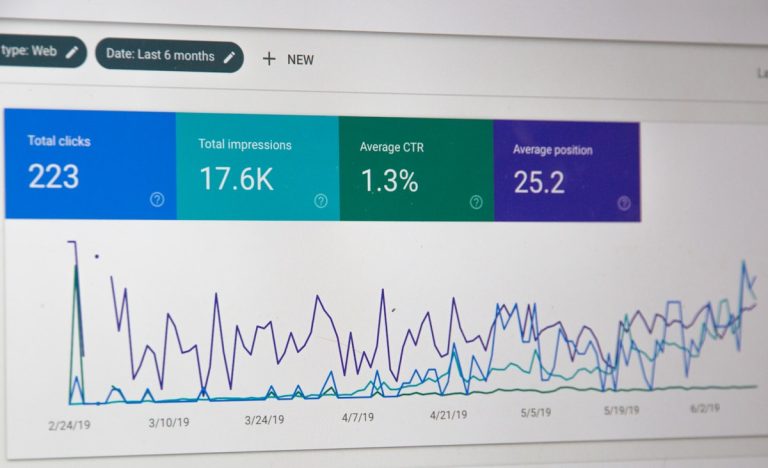
SEO automation uses continuous software platforms to audit technical site health, deploy structured schema markup, manage internal linking, and push live content updates without human delay. Combined with Generative Engine Optimisation (GEO), it enables modern brands to claim front-page rankings on traditional search engines while winning direct citations inside AI answer engines like ChatGPT, Claude, and Perplexity. By handling routine technical operations programmatically, automated search infrastructure eliminates sluggish agency retainers, fixes indexing errors in real time, and scales your organic pipeline around the clock.
The Death of the £5,000 Agency Retainer and the Rise of Autonomous Search
Let us have an honest conversation about search marketing agencies. Every single month, growing businesses across the United Kingdom transfer between £3,000 and £8,000 to external consultancies. In return, they get colourful spreadsheets, glossy slide decks, and hour-long Zoom calls explaining why fixing a broken canonical tag or updating an XML sitemap takes six weeks. Meanwhile, Google crawlers index the web constantly, AI answer engines parse live content in seconds, and your business bleeds high-intent leads to faster rivals. Choosing to Automate Your SEO with AI cuts straight through this agency friction, handing repetitive technical tasks to autonomous software that never sleeps.
Today, organic discovery is split into two fronts: traditional search engine result pages and conversational AI engines. Serious buyers rarely click through ten blue links when researching software platforms, regional trade services, or B2B contracts. Instead, they prompt generative engines directly, expecting fast, synthesised recommendations. If your website lacks clean entity relationships, machine-readable JSON-LD code, and high information density, both search bots and large language models overlook your domain entirely. True SEO automation provides continuous technical hygiene and structured data clarity, turning your web presence into an authoritative source for both traditional algorithms and conversational models.
What Is SEO Automation in Modern Search Marketing?
SEO automation means deploying dedicated software systems to monitor, maintain, and upgrade your website search performance continuously without waiting on manual developer handoffs. It removes the weeks of friction between discovering an indexing flaw and deploying a live fix to your server. This is not about spitting out unreadable, robotic spam. Real automation protects the critical technical foundations of your website that internal teams rarely have the hours to maintain manually.
Consider the standard agency workflow when a critical indexing error occurs. A junior account manager spots an anomaly during a scheduled monthly audit. They export thousands of URLs into an Excel file, reformat the rows, send a ticket to your developer backlog, and book a review call for next fortnight. By the time someone edits your robots.txt file or corrects a broken canonical tag, your primary commercial landing pages have tumbled in search rankings. That operational delay directly inflates your customer acquisition cost.
Autonomous search systems resolve this friction through four continuous operational capabilities:
- Continuous Technical Audits: Autonomous crawlers check crawl depth, server latency, SSL certificate status, redirect loops, and schema markup day and night, resolving technical debt before Google docks your visibility.
- Algorithmic Metadata Adjustments: Platforms evaluate live search intent and user query patterns, adjusting title tags, meta descriptions, and header tags dynamically to capture shifting commercial demand.
- Contextual Internal Linking: Semantic engines map your topic clusters and insert contextual links, distributing page equity directly to high-margin commercial pages without requiring manual spreadsheet tracking.
- Autonomous Content Workflows: Intelligent engines construct deeply researched content outlines directly inside your CMS, leaving your internal team with only high-level editorial review and final sign-off.
When these systems run autonomously in the background, your team stops panicking over sudden search algorithm rollouts and focuses purely on high-margin revenue.
What Is Generative Engine Optimisation (GEO)?
Generative Engine Optimisation (GEO) is the technical discipline of structuring, verifying, and distributing web content so conversational large language models (LLMs) cite your brand as an authoritative reference. While traditional SEO focuses on winning top positions on Google search result pages, GEO focuses on earning recommendations inside AI tools like ChatGPT, Perplexity, Claude, and Google AI Overviews.
Buyer behaviour has shifted dramatically. When a commercial director or procurement officer searches for a supplier, they rarely spend an afternoon reading individual marketing blogs. They open a conversational interface and ask: “What is the most reliable marketing automation system for an expanding UK e-commerce brand?” The engine scans entity graphs, factual authority, and technical structures across the internet to generate an immediate recommendation. If your site relies on vague marketing fluff, generative models ignore your business completely. Forward-thinking organisations Master GEO Targeting with AI to ensure their commercial properties remain front and centre across these new platforms.
How Do Large Language Models Select Their Sources?
Generative engines do not evaluate web pages the way old search crawlers did. When an engine like Perplexity or ChatGPT analyses a domain, it looks for high information density, factual corroboration, and distinct semantic triples: subject, predicate, and object. AI models evaluate your content using three strict benchmarks:
- Extractable Clarity: Can the core answer be extracted verbatim in thirty words or fewer without needing surrounding context?
- Entity Density: Does the copy use precise industry terminology, verified operational frameworks, and statutory standards rather than vague metaphors?
- Topical Verification: Are facts, commercial statistics, and operational claims backed by clean site architecture and structured JSON-LD schema?
If your pages pass these tests, generative models treat your domain as a primary authority, citing your business directly in conversational answers.
The True Financial Cost of the Traditional Agency Retainer
For years, commercial founders faced a difficult choice: build a costly internal marketing department or pay an agency retainer every month. Yet the agency business model is fundamentally misaligned with client speed. Traditional agencies generate margin by selling billable human hours, not by resolving technical problems instantly.
The Retainer Trap and Overhead Waste
A standard search marketing retainer in the United Kingdom runs between £2,500 and £8,000 every single month. Much of that investment funds account management salaries, internal strategy catch-ups, slide design, and expensive city-centre offices. When you inspect where billable hours actually go, junior staff members are usually running manual checks with off-the-shelf software tools that modern platforms can automate in seconds.
Disjointed Software Stacks
Agencies typically run five or six disconnected software tools for rank tracking, site crawling, backlink inspection, and content planning. Because these platforms do not communicate with one another, agency staff waste valuable time copying metrics between systems. Technical auditors rarely collaborate directly with copywriters. The result is conflicting advice, slow deployment cycles, and vanity metrics that do not translate into inbound enquiries or closed deals.
The Agility Deficit
When Google rolls out an unannounced search update, manual agencies schedule internal discussions, followed by client catch-up calls weeks later. By the time a single recommendation gets signed off, your commercial traffic has already dropped. Autonomous platforms adapt immediately, adjusting structured schema markup, header hierarchies, and topical depth the instant search algorithms fluctuate.
| Operational Feature | Traditional Agency Retainer | Unified Autonomous Platform |
|---|---|---|
| Monthly Cost | £2,500 to £8,000+ per month | Predictable, cost-effective platform subscription |
| Turnaround Time | Weeks or months per batch | Instant, programmatic execution |
| Coverage Hours | 9:00 to 17:00, Monday to Friday | 24/7 continuous autonomous monitoring |
| GEO Capabilities | Experimental or non-existent | Native citation tracking across AI engines |
| Asset Ownership | Trapped in external agency slides | Complete, direct internal ownership |
| Scalability | Costs multiply with website expansion | Scales seamlessly without added headcount |
Core Modules of a Unified AI Marketing Engine
Winning organic visibility today requires an integrated ecosystem where technical site health, predictive data, automated content workflows, and commercial prospecting operate as one. Rather than juggling six disconnected subscriptions, forward-thinking organisations deploy targeted operational modules:
1. SEO & GEO Autopilot
The SEO & GEO Autopilot operates as the central command system for your organic visibility. It inspects your architecture day and night, resolves 404 crawl errors, injects clean JSON-LD structured schema, and optimises on-page elements continuously. By managing routine technical tasks programmatically, this module replaces the need for an expensive manual search department while protecting your presence across both classic search engines and conversational models. You can explore the core features of the SEO & GEO Autopilot directly.
2. AI Visibility Tracker
Tracking desktop keyword positions on conventional search engines tells only half the story today. The AI Visibility Tracker monitors your brand footprint across leading generative language models. It reveals how often conversational platforms cite your domain, tracks brand sentiment inside AI answers, and uncovers content gaps where competitors are currently recommended, giving you the direct data needed to win back generative search share. To discover how to track your footprint across these conversational answer models, explore our practical guide on how to check your brand’s AI visibility.
3. AI Content Strategist & Generator
Publishing high-quality, authoritative content is crucial for organic reach, but manual writing is slow and expensive. The AI Content Strategist & Generator evaluates live commercial intent and search data to build rigorous content blueprints. It drafts clear, factually dense articles formatted specifically for human readers and AI crawlers, enabling your internal team to review, polish, and publish high-ranking assets in a fraction of the time.
4. LinkedIn Chrome Plugin
Organic search works best when paired with direct commercial outreach. The LinkedIn Chrome Plugin connects organic inbound visibility with outbound prospecting. It helps your commercial team identify prospects discussing priority industry topics, draft contextual messaging, and move qualified leads directly into your sales pipeline without leaving the browser. If you want to connect search visibility with broader campaigns, review our walkthrough on how to manage multi-channel with aiCMO.
How to Transition to Automated Search in Five Practical Steps
Switching from an expensive agency retainer to an autonomous marketing engine does not require rebuilding your website from scratch. A structured migration protects your existing rankings and ensures rapid operational efficiency.
Step 1: Establish Your Technical Baseline
Before activating autonomous workflows, audit your current digital footprint. Document your primary keyword positions, monthly organic impressions, backlink profile, and primary conversion metrics. Flag technical liabilities such as broken redirects, slow server response times, uncompressed media files, and missing schema. This initial audit provides a baseline to measure indexing speed, ranking gains, and software cost savings.
Step 2: Configure Regional and Commercial Guardrails
Every commercial market has distinct language patterns and statutory terminology. If your target audience is based in the United Kingdom, configure your automation settings for British English spelling, regional phrasing, and statutory terminology like VAT, share capital, articles of association, and Companies House. Set clear editorial rules so all automated content matches your brand voice and targets qualified commercial search intent.
Step 3: Connect Direct Publishing to Your CMS
Connect your automation platform directly to your content management system. Allowing the platform to deliver formatted articles, structured schema markup, and metadata updates straight to your staging or production environment removes manual copy-pasting and formatting errors. Your team can review, refine, and publish production-ready assets with ease.
Step 4: Turn On Continuous GEO Monitoring
Track generative AI platforms alongside your traditional rank monitoring tools. Set up immediate notifications whenever conversational models begin citing competitor domains for your primary product categories. This live intelligence allows you to update factual data, enrich entity references, and strengthen topic clusters before organic traffic slips. You can Enhance Your Local Visibility across map listings and conversational AI responses at the same time.
Step 5: Conduct Weekly Strategic Reviews
Because automated software manages technical maintenance and repetitive on-page tasks, your marketing staff can step away from daily operational troubleshooting. Dedicate thirty minutes each week to examine your core performance dashboard. Review which content clusters drive actual commercial conversions, evaluate your overall share of AI citations, and realign your editorial roadmap with your highest-margin business opportunities.
Best Practices for Brand Safety and AI Citation Maximisation
While automation delivers incredible operational speed, unmanaged speed can lead to low-quality output. Search engines and conversational platforms reward websites that provide verified expertise, structural clarity, and genuine factual substance. Follow these essential best practices across all automated workflows:
- Provide Direct Answers Upfront: Place concise, definitive explanations within the first two sentences under every heading. Conversational language models pull isolated, factually rich answers that can be extracted cleanly without sifting through introductory fluff.
- Use Precise UK Commercial Phrasing: Ensure financial, legal, and operational terminology conforms to regional statutory standards. Using terms like turnover, HM Revenue and Customs, and limited company accurately reinforces your domain authority.
- Introduce Original Frameworks and Concrete Data: Generic overviews are ignored by large language models. Include proprietary methodologies, named operational steps, and measurable criteria to set your pages apart from competitors.
- Maintain Strict Heading Hierarchies: Organise every page with logical H2 and H3 structures that mirror natural user queries. Use clean bullet points and comparison tables to make complex subjects easily scannable for both humans and AI bots.
- Develop Interconnected Topic Hubs: Avoid publishing orphan articles. Organise your content into cohesive semantic clusters, using automated internal links to pass link equity across related commercial URLs.
Comparing SEO Automation with Manual Agency Workflows
To see why businesses are adopting automated infrastructure, examine how daily search operations function in practice. When an organisation updates its core product pricing or service tiers, a manual agency workflow requires a marketing manager to inform the agency contact, wait for a web developer to update the tables, coordinate with an SEO specialist to adjust structured data, and wait weeks for Google to recrawl the URL.
With comprehensive SEO automation, the system identifies on-page attribute changes immediately. It updates the associated Product and Offer JSON-LD schema dynamically, updates the XML sitemap, and pings search indexing APIs in real time. The risk of displaying mismatched pricing between Google search snippets, AI conversational answers, and the actual product landing page drops to zero. That is the crucial difference between hoping your marketing operates accurately and deploying an automated system that guarantees it.
Frequently Asked Questions About SEO Automation
Does SEO automation replace human marketing professionals?
No, it transforms what they focus on. Automated systems manage repetitive, manual tasks like fixing crawl errors, updating structured schema, tracking keyword fluctuations, and inserting internal links. This transition allows your internal marketing staff to focus on commercial positioning, creative branding, and revenue-generating strategy rather than wrestling with spreadsheets.
How does GEO support traditional Google rankings?
Generative Engine Optimisation directly enhances traditional search rankings. GEO requires logical headings, verified factual statements, comprehensive structured schema markup, and deep topic authority. These exact qualities match search engine helpfulness standards, lifting traditional search rankings and conversational AI citations simultaneously.
Will automated content lead to search engine penalties?
No, provided the content offers verified value, high factual density, and answers user queries directly. Search engines judge pages on helpfulness, accuracy, and user experience, not on whether software assisted in researching or formatting the copy. High-utility content succeeds regardless of how it was produced.
How quickly do SEO automation and GEO show measurable results?
While building domain-level authority takes several months, technical fixes, structured schema updates, and indexing corrections take effect immediately. Most organisations observe faster crawl rates, cleaner site indexing, and initial citations in conversational models within four to six weeks of deploying an automated system.
Can automated SEO support multi-region campaigns?
Yes, modern automation tools adapt to diverse geographical regions by adjusting spelling conventions, currency formats, and regional commercial terminology. Whether your organisation targets customers across the UK, Europe, or North America, automated workflows ensure your content matches regional search expectations.
Take Control of Your Organic Marketing Pipeline
Spending thousands of pounds every month on sluggish agency retainers and fragmented tool subscriptions is an outdated way to run digital marketing. Search engine algorithms and conversational AI assistants evolve continuously, and maintaining visibility requires intelligent software that works on your behalf day and night.
By unifying continuous technical audits, dynamic schema integration, and real-time AI citation tracking, your business can scale organic reach, reduce acquisition costs, and build long-term digital authority. If you are ready to remove agency bottlenecks and expand your reach, choose Start Your SEO Autopilot and discover how AI CMO: Unified AI Marketing Automation for Digital Growth can transform your organic marketing today.