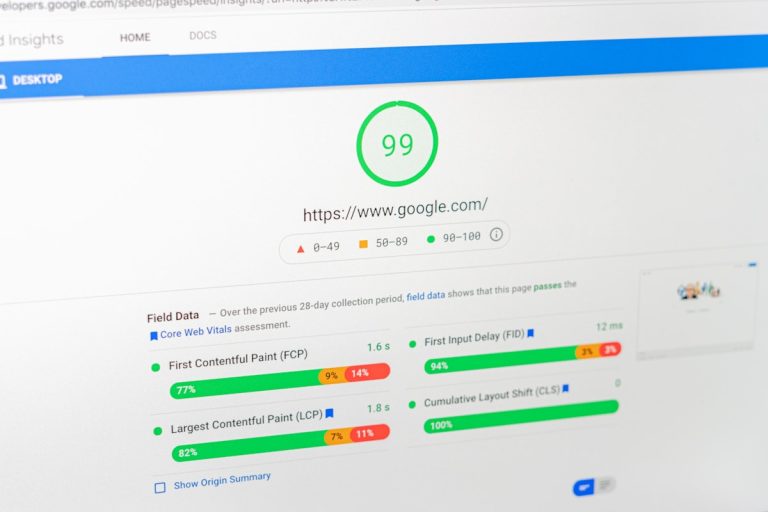
Article Forge generates basic copy from a single keyword prompt, whereas AI CMO delivers an autonomous, full-stack marketing system handling technical SEO, Generative Engine Optimisation (GEO), content strategy, and multi-channel outreach. Standalone text generators fail in modern search because Google, ChatGPT, and Perplexity reward structured entity authority, technical hygiene, and factual accuracy rather than raw, unedited drafts. Achieving sustainable organic visibility requires continuous platform optimisation, not simply pushing generic articles to a content management system.
The Raw Truth: Why Single-Prompt Content Generators Fall Flat in Modern Search
We all remember the initial novelty of entering a single keyword into an empty text box, clicking a button, and watching twelve hundred words appear in ninety seconds. It felt almost magical. However, dumping raw, detached text onto your domain without verified facts, structural schema, or technical groundwork leaves you with a library of ghost pages that never rank. Modern search engines and generative answer engines do not care about raw word counts. They demand genuine topical depth, entity graph validation, rapid page speeds, and direct commercial relevance. If you want true organic momentum rather than endless manual revisions, you must Automate Your SEO with AI to bridge the gap between churned paragraphs and a complete organic strategy.
When you use an isolated AI writing tool, your work begins the second the generation bar hits one hundred percent. You are left spending hours correcting bizarre phrasing, verifying hallucinated claims, linking related pages, designing visuals, and configuring structured data. For busy founders, agency leads, and growing teams, switching between five disconnected utilities drains hours of productive time every week. Real business growth demands an interconnected framework that protects your site health around the clock while tracking your presence across conversational engines. Testing the AI CMO: Unified AI Marketing Automation for Digital Growth ecosystem proves why connected automation systematically outperforms single-prompt drafting utilities.
What Is Article Forge and How Does It Actually Operate?
Article Forge is an automated text generation tool engineered to build long-form articles from a seed phrase. You type in a core query, define your target length, select secondary phrases, pick your language, and let the software string together sentences. Over the years, it found an audience among niche site builders, affiliate publishers, and private blog network operators looking to publish substantial volumes of copy with minimal manual writing.
On the surface, the process feels straightforward. You provide a prompt, wait two minutes, and send the output straight to WordPress. But when commercial brands, SaaS teams, and digital marketing leaders attempt to generate real revenue using isolated copy tools, they run into four major roadblocks:
- Zero Technical Execution: The software only outputs plain text. It cannot resolve crawl errors, repair broken internal links, compress heavy media assets, or embed JSON-LD schema into your theme.
- No Generative Engine Optimisation (GEO): The engine lacks an architecture designed to position your brand as a recognised entity inside large language models like Perplexity, Claude, or Google AI Overviews.
- Severe Operational Fragmentation: Exporting a document solves only a fraction of the problem. Your team must still write custom meta descriptions, organise visual assets, build internal pathways, and manage social distribution.
- Zero Performance Accountability: Once an export finishes, the utility washes its hands of the outcome. It cannot check whether Google indexed the URL, flag ranking decay, or alert you when an AI platform recommends a rival brand instead.
Treating a point-and-click copy generator as a complete growth engine is an expensive mistake. You may shave fifteen minutes off writing an initial draft, but your team wastes hours fixing formatting errors, checking hallucinated numbers, and patching technical debt.
Side-by-Side Comparison: Article Forge vs AI CMO
To see why a unified growth platform delivers stronger commercial returns than a detached drafting tool, look at how both systems perform across core execution areas.
| Feature | Article Forge | AI CMO |
|---|---|---|
| Core Purpose | Single-prompt bulk copy generation | Autonomous SEO, GEO, and multi-channel marketing |
| Content Strategy | Manual keyword entry per document | Automated AI Content Strategist & Generator |
| Generative AI Search (GEO) | Not supported | Real-time citation tracking via AI Visibility Tracker |
| Technical Site Maintenance | None | Continuous technical execution via SEO & GEO Autopilot |
| Direct Lead Outreach | None | Native multi-channel LinkedIn Chrome Plugin |
| Target Audience | Affiliate bloggers and niche publishers | Small to medium businesses, startups, and marketing teams |
| System Architecture | Isolated point software | Consolidated system replacing tool clutter and retainers |
Strategic Content Planning vs Manual Keyword Guesswork
Article Forge demands heavy lifting before you ever click the generate button. You must buy third-party research subscriptions, study search result pages manually, interpret user intent, and cross your fingers that you picked terms that convert. Pick the wrong phrase or misjudge buyer motivation, and you produce pages that nobody searches for.
AI CMO removes this guesswork with the AI Content Strategist & Generator. Instead of requiring you to invent topics out of thin air, the system evaluates your target market, monitors live search interest, and assembles high-intent topic clusters automatically. It aligns your blog posts, social updates, and email campaigns so your brand speaks with one authoritative voice across every channel.
Generative Engine Optimisation (GEO) vs Basic Keyword Stuffing
Search behaviour has changed dramatically. Buyers rarely scroll through ten traditional blue links on a desktop monitor anymore. Instead, they ask complex, nuanced questions inside conversational AI systems. If your content is not structured to be recognised as a verified authority by these language models, your competitors will secure the recommendation.
Article Forge relies on older keyword frequency methods. It cannot structure copy around entity graphs, concise definitional blocks, or structured schemas. In contrast, AI CMO builds Generative Engine Optimisation directly into daily routines. It produces clear entity definitions, concise summaries, and verified schema so answer engines cite your pages directly. If you want to future-proof your presence across conversational search, you can Master GEO Targeting with AI to capture visibility across both traditional search and modern LLMs.
Continuous Site Maintenance vs Disconnected Text Files
Writing copy is only a tiny slice of organic discovery. The real battle involves ongoing site maintenance: repairing broken redirect chains, updating outdated guides, adding contextual links, and maintaining fast server responses.
Article Forge includes zero site maintenance features. Once you export an article, it sits unmonitored on your hosting server. AI CMO provides the SEO & GEO Autopilot, a background engine working around the clock. It evaluates your pages, adds contextual internal links, updates metadata, and resolves technical issues as search engine standards evolve, without needing endless developer tickets.
Why Modern Marketing Demands Real-Time AI Visibility Tracking
Publishing blog posts without tracking your footprint across conversational engines is like sailing through thick fog without navigational equipment. Basic copy generators leave you blind to how modern discovery systems operate.
How Conversational Engines Select Sources
When a prospective buyer asks an AI tool to recommend the top service providers or software in your sector, does your brand appear in the response? Traditional rank tracking platforms cannot answer this because they only record desktop or mobile positions for static keywords.
AI CMO solves this blind spot through the AI Visibility Tracker. This purpose-built dashboard tracks your digital footprint across leading conversational platforms and large language models. It evaluates brand sentiment, calculates citation frequencies, flags missing entity relationships, and identifies the exact prompts buyers use when researching products. When an authority gap appears, you can deploy targeted assets to capture conversational market share before competitors spot the opening.
Connecting Organic Content to Proactive Prospect Outreach
Publishing well-researched guides is useless if primary decision-makers never read them. Basic writing tools abandon you the moment your text is generated, forcing you to copy snippets into external social tools and send manual messages.
AI CMO links inbound organic authority directly with proactive outreach using its LinkedIn Chrome Plugin. Marketing teams and commercial leaders can discover qualified prospects, send personalised messages, and manage commercial conversations right within LinkedIn. This bridges the gap between educational content and sales conversations without messy spreadsheets or manual data entry.
How to Build an Autonomous Marketing Engine in Four Steps
Building an automated marketing operation is straightforward when your tools communicate natively. Here is how growing businesses build organic reach without hiring expensive agencies or juggling six separate software bills.
1. Define Target Geographies and Buyer Personas
Start by mapping your target regions and buyer profiles. Whether you operate in the United Kingdom, North America, Europe, or the Asia-Pacific region, establishing clear parameters ensures all generated content adopts correct regional spelling, cultural context, and tone of voice.
2. Activate Background Technical Optimisation
Turn on automated background management to handle technical performance. The SEO & GEO Autopilot evaluates your architecture, refreshes schema tags, fixes broken paths, and updates older articles to ensure your web estate remains technically sound every single day.
3. Track Citations Across Conversational Platforms
Review your analytics dashboard to see how large language models perceive your business. Use data from the AI Visibility Tracker to spot unaddressed queries and high-intent buyer prompts, then deploy targeted assets to capture that demand.
4. Turn Editorial Insights into Direct Sales Outreach
Connect your organic publishing directly to business development. Use the LinkedIn Chrome Plugin to share key insights with decision-makers, turning educational content into direct conversations and qualified sales pipeline.
How SEO Automation Replaces Software Clutter and Costly Agencies
Many businesses hire marketing agencies simply because managing multiple software subscriptions feels overwhelming. However, traditional agency retainers carry hefty monthly costs, slow turnarounds, and ambiguous reporting.
Switching to a unified platform eliminates unnecessary retainers while ending software clutter:
- Software Consolidation: Replace disconnected tools for keyword tracking, drafting, social scheduling, and site health audits with one unified system.
- Operational Efficiency: Cut routine manual execution time by up to seventy percent. Your team directs strategy while automated workflows handle operational details.
- Rapid Execution: Launch targeted campaigns in hours instead of waiting weeks for external agency approval cycles.
Unifying your marketing stack accelerates results while reducing overheads. You can Boost Your Search Rankings Now and manage your complete organic growth strategy through one streamlined dashboard.
Frequently Asked Questions About Article Forge vs AI CMO
Can Article Forge replace an SEO agency?
No. Article Forge is purely a text drafting tool. It cannot audit your site architecture, repair canonical tags, build internal links, or track how conversational AI models evaluate your brand. A comprehensive platform like AI CMO unites automated content drafting with technical background maintenance, outbound messaging, and real-time visibility monitoring, serving as a genuine alternative to traditional agency retainers.
What is Generative Engine Optimisation (GEO)?
Generative Engine Optimisation (GEO) is the process of structuring digital assets so conversational AI engines like ChatGPT, Claude, Perplexity, and Google AI Overviews can discover, understand, and cite your brand. It prioritises clear entity definitions, concise answers, and verifiable topical authority over outdated keyword repetition.
How does background SEO automation work?
Background automation runs continuously across your website. Instead of requiring manual site audits and developer tickets, the system monitors site health, refines metadata, adds contextual internal links, and refreshes content as search algorithms evolve.
Why is software consolidation vital for small businesses and startups?
Managing separate tools for research, drafting, social media, and technical audits causes fragmented workflows and high subscription expenses. Consolidating these responsibilities into one system saves thousands of pounds annually and helps teams launch campaigns faster.
Does Google penalise content generated by AI writers?
Google does not penalise content simply because artificial intelligence was used to draft it. Search algorithms evaluate whether the content provides genuine value, factual accuracy, user satisfaction, and strong technical foundations. However, unedited, single-prompt drafts often fail because they lack proprietary data, original structure, entity validation, and proper internal linking.
How does AI visibility tracking differ from traditional rank tracking?
Traditional rank trackers query standard search engine result pages for exact keyword positions. AI visibility tracking checks how often conversational language models and answer engines cite your brand when users ask subjective questions or request vendor recommendations.
Moving Past Disconnected Drafting Utilities
Juggling four or five single-purpose marketing apps is an inefficient way to run a modern business. Growing teams cannot afford to waste hours generating raw text in one tool, formatting it in another, publishing it manually, and paying for separate tracking software.
By uniting content strategy, execution, technical maintenance, and conversational search tracking inside one platform, AI CMO allows lean teams to compete against massive corporate marketing budgets. You maintain complete operational transparency, total control over your digital reach, and a scalable pipeline for ongoing customer acquisition.
Ready to upgrade your search strategy and build authority across both Google and generative AI engines? Take action today to Enhance Your Local Visibility, lower your operational expenses, and build a lasting organic footprint with end-to-end SEO automation.