Stop Relying on Static Data: The New Era of Search Visibility
Finding the right terms to reach your target audience used to be simple. You opened a basic keyword research dashboard, exported a massive CSV file of search volumes, picked a few phrases, and wrote some blog posts. However, standard tools like Google Keyword Planner were originally built for pay-per-click ad campaigns, not for modern, continuous organic search strategy. If you want to build sustained online visibility today, relying purely on manual research and outdated spreadsheets will leave you behind your competitors. You need a dedicated keyword tracking tool that does not just store static metrics, but actively turns real-time search data into automated, multi-channel growth.
The digital landscape is changing fast. Generative AI engines, local search algorithms, and evolving user behaviours mean static search volumes are often misleading. Traditional search platforms show you what happened last month, but they leave you guessing about what to publish today. By moving away from legacy software and embracing modern platforms like AI CMO, small businesses and growing teams can automate routine search engine optimization tasks. This shifts your time away from endless data spreadsheets so you can focus on big-picture strategic decisions.
The Limitations of Google Keyword Planner for Organic Growth
Google Keyword Planner remains a popular starting point for many marketers. It is free, directly connected to Google Ads data, and gives a rough overview of search volume trends. But when you look under the hood for organic SEO purposes, several massive limitations appear.
First, the search volume figures provided by Google Keyword Planner are grouped into broad buckets unless you run active, high-spend ad campaigns. Seeing a volume range of “10K – 100K” is not particularly useful when you are trying to prioritize specific content ideas. Furthermore, the tool focuses primarily on commercial ad intent, completely ignoring generative engine optimisation (GEO) and conversational AI search engines.
- Static volume data lacks real-time precision.
- Search queries are grouped together, masking valuable long-tail variations.
- Zero integration with direct content creation or publication workflows.
- Focuses purely on Google Ads rather than modern organic discovery channels.
When you rely solely on manual exports, your team spends dozens of hours pulling numbers, sorting spreadsheets, and guessing which topics will actually convert readers into customers.

How AI CMO Transforms Static Keyword Research into Automated Action
Where Google Keyword Planner stops at basic data reporting, AI CMO takes over by turning raw analytics into active execution. Instead of requiring you to manually check rankings every week, an intelligent platform continuously monitors performance and updates your content pipeline automatically.
Imagine having a 24/7 digital marketing manager that tracks search performance, discovers content gaps, and drafts targeted articles tailored to your brand’s core offerings. Through advanced features such as SEO Automation, businesses can instantly turn organic insights into published assets without managing a sprawling, expensive team of external agencies.
Real-Time Performance Tracking vs Monthly Averages
Static keyword tools update their figures infrequently. In fast-moving markets, waiting four weeks for fresh keyword metrics means missing high-converting trends. Modern automated systems continuously track search rankings, user sentiment, and competitive shifts, ensuring your marketing strategy reacts immediately.
Integrated Multi-Channel Marketing
Keywords do not exist in a vacuum. A high-performing search query on Google is equally valuable for local visibility and targeted social content. AI CMO bridges the gap between keyword discovery and multi-channel deployment, ensuring every term you target works seamlessly across your entire digital presence.
The Rise of GEO: Why Traditional Keyword Tools Fall Short
Traditional keyword metrics only focus on standard search engine results pages (SERPs). But modern consumers do not search the web exclusively through standard search boxes anymore. They use voice assistants, local mapping apps, and AI-driven search bots to find instant answers. This shift is known as Generative Engine Optimisation (GEO).
If your keyword tracking strategy ignores GEO, you are missing out on high-intent local traffic and direct AI recommendations. Standard search planners cannot track how AI answer engines cite your brand. By using an advanced platform designed to Master GEO Targeting with AI, small and medium enterprises can capture local market share long before traditional competitors even notice the shift.
To capture value in this modern environment, your business needs an integrated system that optimises for traditional search engines and AI engines simultaneously.
Step-by-Step: Upgrading Your Keyword Strategy for Maximum ROI
Transitioning from manual research tools to a modern automated solution does not have to be overwhelming. You can overhaul your process in four practical steps.
1. Audit Your Existing Keyword Footprint
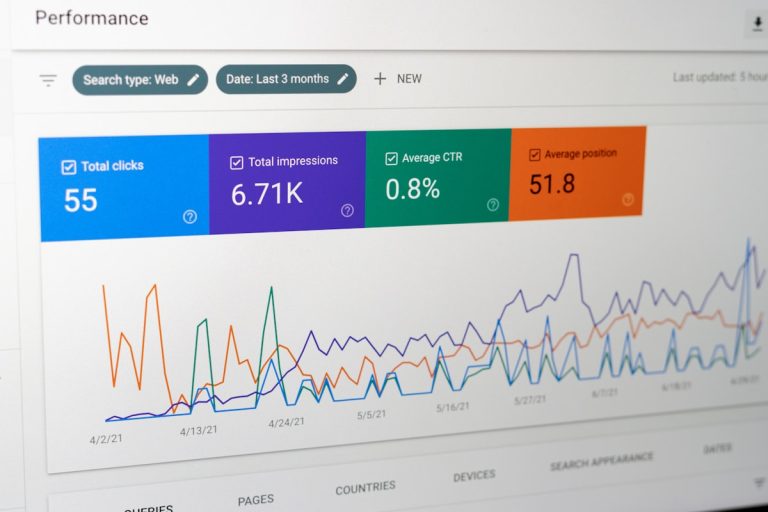
Start by assessing what terms you currently rank for and where your content is underperforming. Identify high-volume terms that bring low conversions, as well as low-volume, high-intent phrases that drive real business growth. A dedicated keyword tracking tool makes identifying these performance trends simple and straightforward.
2. Connect Research Directly to Content Generation
Stop letting keyword lists sit idle in spreadsheets. Connect your strategic search terms directly to content generation tools. Platforms that combine strategy with execution allow you to generate hyper-targeted, brand-aligned blog posts automatically, saving dozens of hours each month.
3. Optimise for Hyper-Local and Regional Intent
Ensure your strategy accounts for geographical context. Local customer journeys rely heavily on accurate regional information. By using flexible tools to Enhance Your Local Visibility, you ensure your target audience finds your business regardless of where or how they search.
4. Monitor, Refine, and Automate Continuously
SEO is never a one-off project. Search engine algorithms change constantly, and market competitors adjust their tactics daily. Automating your real-time performance tracking allows you to adapt to rank drops instantly, keeping your digital marketing strategy proactive rather than reactive.

Feature Comparison: Google Keyword Planner vs AI CMO
To highlight the core differences between traditional ad research tools and unified AI marketing platforms, consider how they handle everyday growth tasks:
| Feature | Google Keyword Planner | AI CMO |
|---|---|---|
| Primary Focus | PPC Ad Campaigns & Keywords | Comprehensive Organic SEO & GEO Automation |
| Data Recency | Historical Monthly Averages | Continuous Real-Time Tracking |
| Content Execution | None (Manual writing required) | Direct Automated Publishing & Strategy |
| Generative Engine Optimisation | Not Supported | Native Support for AI Search Visibility |
| Ease of Use for SMEs | Complex manual spreadsheets | Simplified, hands-on automated interface |
| Workflow Capabilities | Research only | Full Multi-Channel Marketing Execution |
Why SMEs and Startups Need Automation Over Agencies
For small to medium-sized enterprises (SMEs) and growing startups, managing search engine visibility through traditional digital agencies is often prohibitively expensive. Retainer fees mount up quickly, and agency reports often focus on vanity metrics rather than clear revenue growth.
On the other hand, handling keyword research entirely in-house using basic software like Google Keyword Planner leads to operational burnout. Marketing teams spend endless hours sifting through raw numbers instead of working on core messaging and business strategy.
AI CMO solves this dilemma by providing a unified, hands-on marketing automation platform. By utilizing SEO Automation, lean teams can run 24/7 digital marketing operations at a fraction of traditional agency costs. This delivers measurable traffic gains and rank improvements within weeks, all while keeping operational overhead low.
The Future of Search Strategy is Automated and Intelligent
Relying solely on legacy data sources like Google Keyword Planner is no longer enough to dominate search results. Modern search strategy requires continuous real-time insights, native generative engine optimisation, and seamless automated execution across all digital channels.
By moving away from static spreadsheets and choosing an integrated, intelligent platform, your business can build sustainable organic visibility, capture regional market share, and convert search traffic into real business revenue. Upgrading your workflow with a modern keyword tracking tool ensures your brand stays ahead of algorithm changes and outpaces the competition effortlessly.