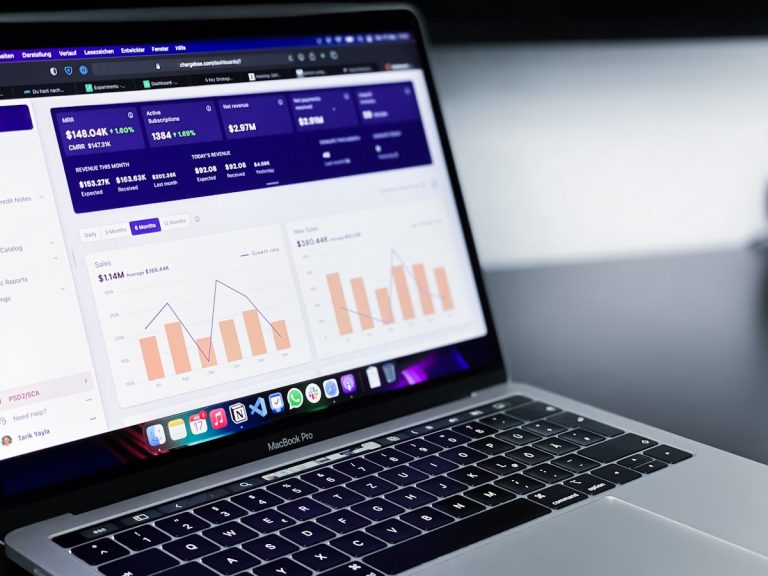
The Evolution of Marketing Automation and Real-Time Insights
Managing modern digital marketing feels like juggling live hand grenades. You run social ads, push search campaigns, update local search citations, and publish weekly content across multiple platforms. By the end of the month, you spend hours downloading CSV files, matching disparate metrics, and stitching together presentation decks that are out of date before you even present them to leadership. This fragmented chaos drains your energy and burns through budget without delivering clear answers about what actually drives return on investment.
Next-generation digital strategy changes everything by shifting the focus from static analytics to live operational intelligence. Modern platforms no longer just show you dead numbers from last week. Instead, they interpret multi-channel performance, execute adjustments, and deliver instant clarity on every active channel. By adopting AI CMO: Unified AI Marketing Automation for Digital Growth, modern teams eliminate manual data extraction and leverage true automated campaign reporting that turns raw numbers into precise strategic actions around the clock.
Why Legacy Campaign Analytics Are Failing Modern Teams
The global digital marketing software market is expanding rapidly, pushing toward a valuation of USD 80 billion with a steady annual growth rate of 15%. Yet, despite massive spending on technology, most small to medium enterprises and growing startups remain stuck in manual reporting loops. Traditional marketing platforms provide endless dashboards, but they leave the actual analysis, execution, and strategy entirely on your shoulders.
Here is where standard reporting systems break down for fast-moving businesses:
- Data Fragmentation: Legacy analytics platforms lock your metrics inside separate silos. Your search engine optimization metrics sit in one system, paid ad spend sits in another, and local search performance lives somewhere else entirely.
- Lagging Indicators: Manual reporting means you only spot poor campaign performance weeks after spending the budget. You end up reviewing post-mortems rather than steering active campaigns.
- High Operational Costs: Hiring expensive traditional agencies to build custom reports often results in pretty PDF decks that lack actionable clarity and hide actual progress behind confusing jargon.
- Lack of Execution: Knowing a page lost keyword ranking is useless if you do not have the immediate bandwidth or automated workflow to fix the content.
When your marketing team spends twenty hours every month compiling reports across platforms, you lose twenty hours of core strategy execution. Scaling up requires removing this manual reporting overhead permanently. If you want to streamline your organic rankings alongside reporting, you can Automate Your SEO with AI to keep your search presence consistently optimised.
The Rise of Predictive, Multi-Channel Campaign Reporting
Modern automated reporting is not just about making charts look clean. It is about closing the loop between gathering data and taking real-time action. The market is shifting away from reactive spreadsheets toward proactive, AI-driven marketing engines.

Integrating Multi-Channel Metrics into One Source of Truth
When your marketing engine runs across organic search, generative engine optimization (GEO), local search maps, and paid social, evaluating performance across isolated dashboards leads to bad decisions. An integrated platform automatically aggregates performance metrics across all touchpoints.
Instead of guessing whether an increase in organic traffic was caused by your latest blog post or a local search update, unified tracking attributes growth across all active channels simultaneously.
Moving Beyond Analytics to Hands-On AI Execution
Standard enterprise suites like HubSpot, SEMrush, or Ahrefs offer deep metrics and detailed keyword reports. However, they rely heavily on human intervention to implement changes. If an SEO tool highlights a drop in local search visibility, you still have to hire a strategist, write new copy, and manually update your site.
Next-gen tools bridge this gap. When your reporting dashboard identifies a drop in search visibility, AI-driven automation directly rewrites, updates, and optimizes your site content in response. You shift from spending time building manual performance reports to reviewing continuous, automated growth. To see how seamless this process can be, explore how to AI CMO: Unified AI Marketing Automation for Digital Growth for your continuous campaign needs.
SEO and GEO Optimization: The Next Frontier of Reporting
Search behavior is changing faster than traditional tools can adapt. Users no longer just type short keywords into traditional search engines; they rely on generative AI assistants, voice search, and hyper-local search queries to find answers.
Mastering Generative Engine Optimization (GEO)
As AI-driven search models dominate consumer behavior, ranking on standard search engine results pages is only half the battle. Your business must also be visible within AI-generated answer summaries.
Generative Engine Optimization (GEO) focuses on structuring your content, brand authority, and local citations so that generative AI models cite your business directly. Automated campaign reporting must now monitor your GEO presence alongside traditional organic rankings, giving you complete clarity on how AI answer engines perceive your brand.
Local Visibility and Regional Targeting
For growing brands operating across Europe and beyond, local relevance determines conversion rates. Managing local search listings, geographic keyword variations, and regional user intent manually is nearly impossible at scale.
By automating regional tracking alongside continuous campaign reporting, you instantly identify which geographic locations deliver high conversions and which regional campaigns require immediate strategic adjustments. To strengthen your local search footprint effortlessly, you can Master GEO Targeting with AI today.
Comparing Modern AI Marketing Solutions with Traditional Legacy Tools
How does a fully unified AI marketing engine stack up against traditional tools on the market? Let us compare the operational realities.
| Capability / Feature | Traditional SEO & Analytics Platforms (e.g. SEMrush, Ahrefs) | Enterprise Inbound Tools (e.g. HubSpot, Marketo) | AI CMO Autonomous Platform |
|---|---|---|---|
| Primary Focus | Manual data analysis & backlink research | Lead workflow management & CRM tracking | End-to-end multi-channel execution & live optimization |
| Reporting Speed | Static summaries updated periodically | Custom dashboard builds requiring setup | Real-time automated performance reporting |
| Task Execution | Manual execution required by your team | Manual rule setting and email sequence creation | Autonomous AI content creation, SEO, and GEO adjustments |
| GEO Tracking | Extremely limited or non-existent | Non-existent | Built-in real-time GEO and generative AI tracking |
| Agency Dependence | High (requires specialists to read data) | High (requires dedicated administrators) | Zero (designed for direct direct business operation) |
Traditional tool stacks force you to act as the central integrator, spending hours moving data between systems. A unified AI solution eliminates this friction by unifying intelligence and execution into a single, user-friendly interface.
Actionable Steps to Automate Your Reporting and Growth Strategy
Ready to modernise your marketing workflow and eliminate manual tracking? Follow this straightforward framework to streamline your campaign intelligence.

1. Audit Your Current Tool Stack and Reporting Hours
Calculate the exact human hours your business spends every month pulling data from Google Search Console, ad dashboards, and email tools. Identify every fragmented subscription fee. Consolidating these separate expenditures into a single automated tool immediate reduces monthly software overhead while giving your team time back for core product and business growth.
2. Transition from Static Metrics to Real-Time Signals
Stop measuring performance using once-a-month retrospective decks. Configure real-time performance alerts that highlight traffic shifts, keyword movements, and local visibility updates as they occur. If a keyword ranking dips, your system should flag it and generate optimized content updates immediately.
3. Combine Organic SEO with Generative GEO Strategies
Do not isolate your organic search efforts from modern AI discovery trends. Ensure your marketing automation stack monitors both standard search rankings and generative engine visibility. Using an automated approach guarantees your content is optimized for traditional search bots and modern AI models simultaneously. If search engine optimization is your immediate bottleneck, Start Your SEO Autopilot to secure top positions without manual overhead.
4. Leverage Community and Integrated Ecosystems
Modern digital growth relies on continuous learning. Join growing user communities to exchange tactical insights, review emerging search trends, and adopt best practices from peer brands. Coupling intelligent tools with real-world marketer insights helps you adapt swiftly to shifting consumer behaviors across global markets.
Summary: Take Control of Your Campaign Analytics Today
Relying on manual campaign reporting, disconnected software tools, and opaque agency retainer fees is a strategy of the past. The future of digital marketing lies in intelligent, autonomous platforms that aggregate data, generate automated reports, and execute optimization strategies in real time.
By unifying your multi-channel efforts, tracking local search visibility, and automating content creation, your business can achieve measurable traffic increases and brand growth within weeks. Experience how effortless modern campaign execution can be when you AI CMO: Unified AI Marketing Automation for Digital Growth and take complete control of your digital future.