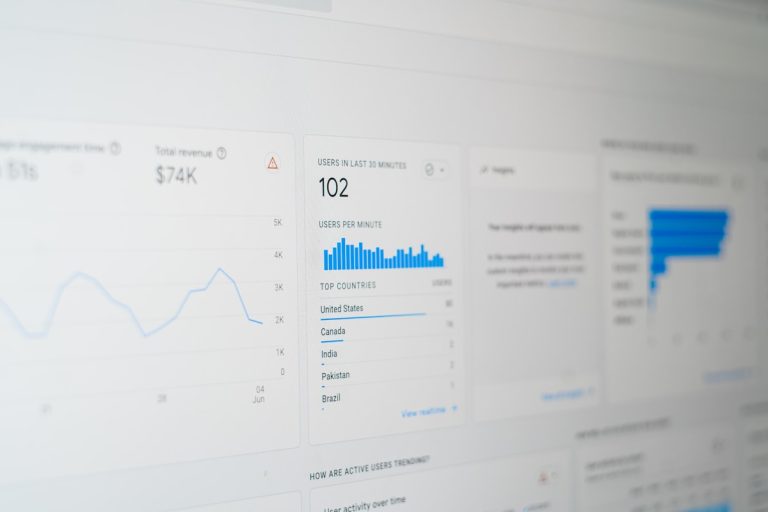
Why Traditional Digital Marketing Needs an AI Overhaul
Marketing teams today are drowning in data, yet starving for actual insights. You log into one tool to check search engine rankings, jump into another for email campaigns, and open a third to track local visibility. It is exhausting, expensive, and wildly inefficient. Traditional systems require manual tweaking every time search engine algorithms shift or consumer habits change. This is where modern adaptive marketing automation steps in, transforming rigid routines into self-correcting growth engines that respond to market signals in real time.
When you blend artificial intelligence with strategic marketing frameworks, your team stops reacting to last week’s analytics and starts predicting tomorrow’s trends. Modern platforms do not just execute tasks blindly. They evaluate continuous real-time data to adjust content strategies, refine local search targeting, and optimize search performance automatically. By replacing fragmented software with a unified strategic platform like AI CMO, small and medium enterprises can cut external agency retainer fees while scaling operational output effortlessly.
The Shift from Static Toolkits to Intelligent Systems
For years, legacy platforms like HubSpot, Marketo, and Mailchimp dominated the MarTech landscape. They were built for an era when scheduling a broadcast email or setting up a basic workflow was considered cutting-edge. But static tools require endless manual monitoring. If a campaign underperforms, a human marketer has to notice the trend, analyze the root cause, manually write new copy, and deploy updated assets.
That workflow no longer cuts it in a landscape dominated by fast-moving generative engines and AI search overviews.
When you transition to intelligent, self-optimising infrastructure, your marketing engine works around the clock.
- Real-time adaptation: Campaigns tweak their targeting based on live conversion signals rather than monthly reviews.
- Unified operational oversight: SEO, Generative Engine Optimization (GEO), and multi-channel workflows live under a single roof.
- Agency-level execution without agency costs: Automated insights eliminate the need for expensive external consultants who bill by the hour to deliver basic reports.
If you want to keep your business ahead of evolving search algorithms, it is time to Automate Your SEO with AI and let intelligent systems handle content structure, technical audits, and ongoing keyword targeting.
Blending Executive Frameworks with AI Execution
Academic research into modern MarTech emphasizes a persistent gap between strategy and execution. As highlighted in recent publications on marketing automation and decision-making, executive decisions often fall flat due to delayed data feedback loops. Marketing leaders know what target audience they want to reach, but operational friction delays implementation for weeks.

AI CMO solves this strategic bottleneck by linking executive decision frameworks directly to execution modules.
1. Data-Driven Content Strategy
Instead of guessing what blog post or landing page to write next, intelligent software checks real-time search trends and competitor gaps. It creates optimized, structured copy tailored to current search intent without requiring manual prompt engineering or tedious drafting sessions.
2. Generative Engine Optimisation (GEO)
Traditional SEO targets classic web search rankings on platforms like Google. However, modern users increasingly ask conversational questions to AI engines like ChatGPT, Perplexity, and Claude. GEO ensures your brand’s core messaging is structured so these language models reference your services directly when answering user queries.
To capture audience share across both classic engines and conversational AI models, smart businesses choose to Master GEO Targeting with AI to build long-term digital authority.
3. Continuous 24/7 Operations
Human teams sleep; market trends do not. Automated systems continuously track performance metrics, flag dips in traffic, and automatically refresh outdated content to maintain peak search rankings.
Comparing AI CMO with Industry Standards
How does an integrated AI marketing engine stack up against traditional tools? Let us compare capabilities across key operational pillars:
| Feature / Capability | Legacy Platforms (HubSpot, Marketo) | Analytical SEO Tools (SEMrush, Ahrefs) | AI CMO Integrated Platform |
|---|---|---|---|
| SEO Automation | Limited / Basic Integrations | Analytics only; no auto-execution | Fully automated 24/7 optimization |
| GEO & AI Search Tracking | No dedicated features | Minimal emerging tracking | Native GEO optimization framework |
| Multi-Channel Workflows | High setup complexity | None (Focus on search data) | Unified, intelligent single-hub control |
| Cost & Overhead | High license fees + Agency cost | High software cost + Staff effort | Low fixed cost, minimal team required |
While tools like SEMrush or Ahrefs deliver endless graphs and keyword metrics, they leave the heavy lifting to you. You still have to analyze the data, hire writers, audit landing pages, and publish content manually.
On the flip side, generic marketing platforms manage email lists or social posting, but lack deep search optimization engines. By unifying real-time data tracking with automated content generation, businesses can adopt adaptive marketing automation to scale traffic across Europe and global markets without expanding headcount.
Practical Steps to Implement Intelligent Marketing Workflows
Transitioning from manual execution to an intelligent marketing hub does not require overhaul chaos. You can follow a clear three-step path:
- Audit Your Current Tool Sprawl: Count the individual subscriptions your team uses for keyword research, content creation, rank tracking, and local SEO. Calculate both software costs and human hours spent moving data between platforms.
- Automate Continuous Organic Operations: Shift routine tasks, such as tracking organic search fluctuations and drafting targeted updates, to automated systems. You can Start Your SEO Autopilot to handle site health, keywords, and publication routines seamlessly.
- Refine Local and Regional Visibility: If your target audience operates across specific European regions or multi-language markets, configure your GEO parameters to capture hyper-local search volume automatically.
By removing repetitive tasks from your daily schedule, your marketing lead can focus on higher-level positioning, brand partnerships, and product innovation, while artificial intelligence handles tactical execution.
Scaling Your Digital Growth with Confidence
The digital marketing landscape is shifting permanently away from static tools and disconnected agencies. Winning brands are those that combine strategic oversight with real-time automated execution.
Instead of burning capital on costly retainers or getting bogged down by fragmented software toolkits, choosing a unified, data-driven platform gives you back time, budget, and peace of mind. Experience how seamless multi-channel growth can be when you Explore our features and take complete control of your digital presence today.